

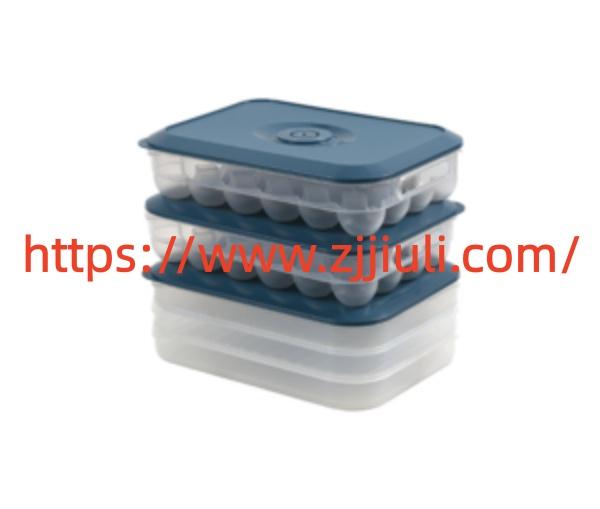

Fridge Storage Containers are an everyday kitchen essential, but choosing the right products involves more than comparing colors or prices. Buyers need to consider dimensions, materials, lid construction, cleaning requirements, and the way each item fits into a household routine. For retailers, wholesalers, and distributors, these details also influence customer satisfaction, product selection, and long term sales potential. A clear purchasing plan helps buyers compare available options according to practical needs rather than appearance alone.
One important step is identifying the intended users. A family preparing meals for several days may need a variety of capacities for cooked dishes, chopped vegetables, fruit, and sauces. A small household may prefer compact designs that fit limited shelf space. Restaurants and catering businesses may have different priorities, including convenient access, repeat use, and straightforward cleaning. By understanding these differences before placing an order, buyers can select a product range that matches actual demand.
Material selection deserves careful attention. Different materials offer different advantages in terms of weight, appearance, maintenance, and handling. Plastic options are often valued for their lightweight construction and convenient everyday use, while glass designs may appeal to customers who prefer a solid feel and a transparent body. Neither material suits every situation, so purchasing decisions should reflect the intended application. Buyers should also review the manufacturer's instructions concerning temperature limits, dishwasher use, and microwave suitability. These properties should never be assumed from appearance alone.
Dimensions and capacity are equally important. A product may look attractive in a catalogue but prove inconvenient when placed on a crowded shelf. Before choosing a range, measure the available space and compare it with the external dimensions of each model. Pay attention to height, width, depth, and the additional clearance required when lids are attached. Rectangular and square shapes may help make practical use of flat surfaces, while rounded designs can suit particular foods and serving routines. A balanced assortment of small, medium, and large sizes gives customers greater flexibility for different portions.
Lid construction is another detail worth checking before an order is confirmed. A lid should fit its matching body properly and remain convenient to open and close during regular use. For buyers handling sauces or other liquids, leak resistance may be especially relevant. Ask suppliers about the closure mechanism, sealing components, and any available test information. If the products include removable seals or multiple lid parts, check whether those components can be cleaned thoroughly. Clear product specifications help buyers compare similar models and avoid relying on unsupported assumptions.
Cleaning and maintenance should also influence the decision. Food residue can collect around corners, grooves, hinges, or removable components if the design makes those areas difficult to reach. Smooth internal surfaces and accessible parts may simplify routine washing. Buyers should confirm which components are dishwasher safe and follow the care instructions supplied for each model. For commercial purchasers, these details matter because staff may handle many units throughout the day. For home users, easier maintenance can make regular meal preparation feel more manageable.
Another practical consideration is how products fit together when they are not in use. Stackable designs can help households organize shelves, while nesting shapes may reduce the space needed in cupboards. Buyers should assess stability when units are stacked and check whether lids can be stored neatly without becoming separated from their matching bases. Transparent walls, when available, can make contents easier to identify without opening every item. These features may appear minor individually, but together they influence the convenience of daily kitchen routines.
For wholesale and retail buyers, supplier communication is just as important as product design. Before confirming an order, review specifications, available sizes, packaging methods, minimum order quantities, lead times, and customization options. Ask for product samples when practical so the team can assess dimensions, lid fit, surface finish, and ease of handling. Packaging should also be suitable for the intended sales channel, whether products will be sold individually, supplied in sets, or distributed in bulk. Accurate information helps businesses plan inventory and communicate product features clearly to their own customers.
Zhiguang supports product sourcing decisions by giving buyers a starting point for exploring available product options and discussing their business requirements. Rather than selecting items by appearance alone, purchasers can compare practical details and consider which designs suit their target market, distribution model, and expected order volume. This approach can help create a more consistent product range while keeping purchasing decisions connected to real customer needs.
Choosing suitable kitchen organization products requires attention to function, fit, maintenance, and supplier reliability. Buyers who evaluate these factors before ordering can make more informed decisions for household use or commercial distribution. To review available product information and discuss options for your market, visit Zhiguang at https://www.zjjiuli.com/product/ and explore the range in relation to your purchasing requirements.
