

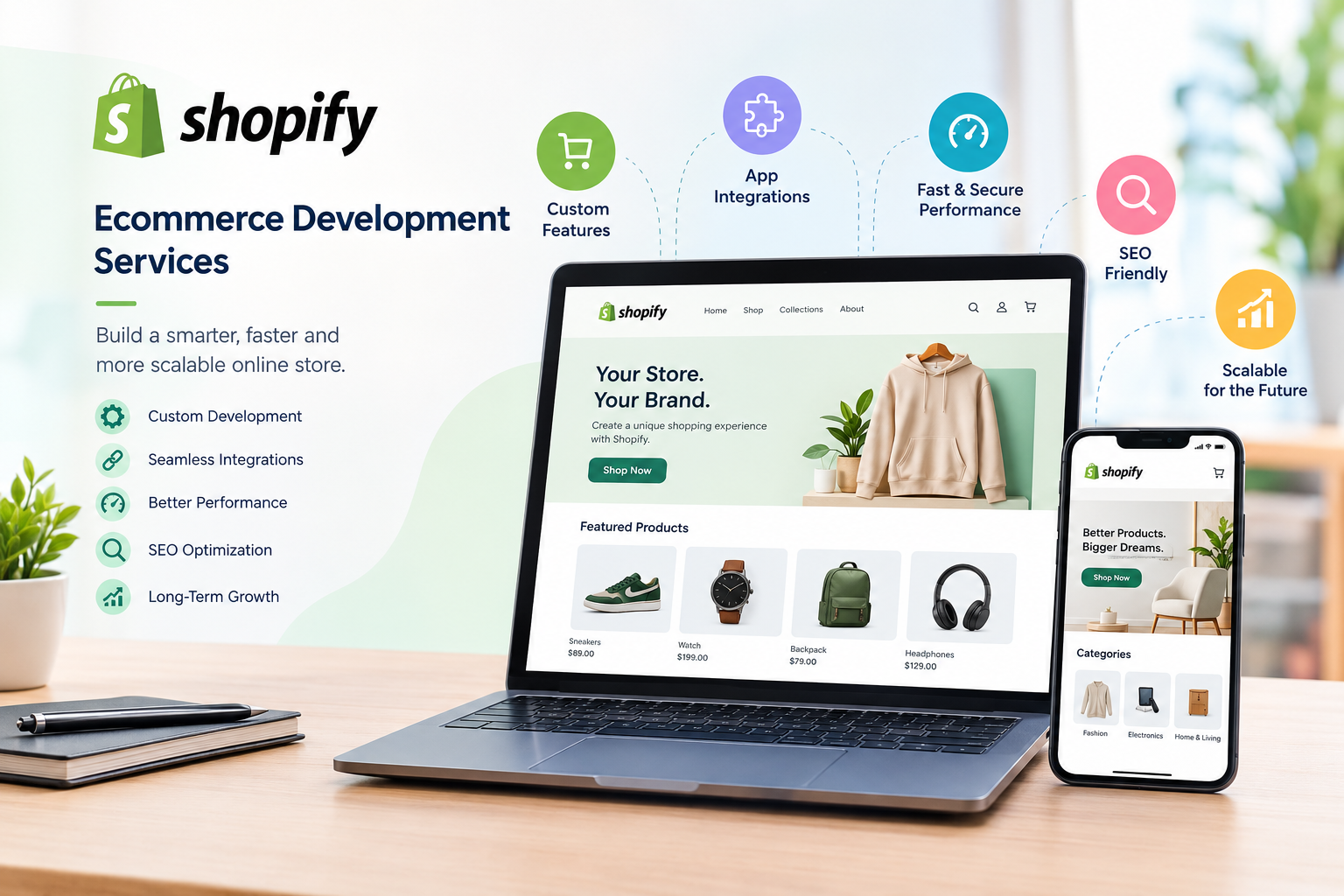

Shopify Ecommerce Development Services: How to Build an Online Store for Long-Term Success
Launching an ecommerce business requires more than choosing products and publishing a website. Store owners must consider how customers discover products, how orders are processed, how inventory is managed, and how the business will adapt as demand changes. A strong foundation can make these activities easier to manage as the store grows.
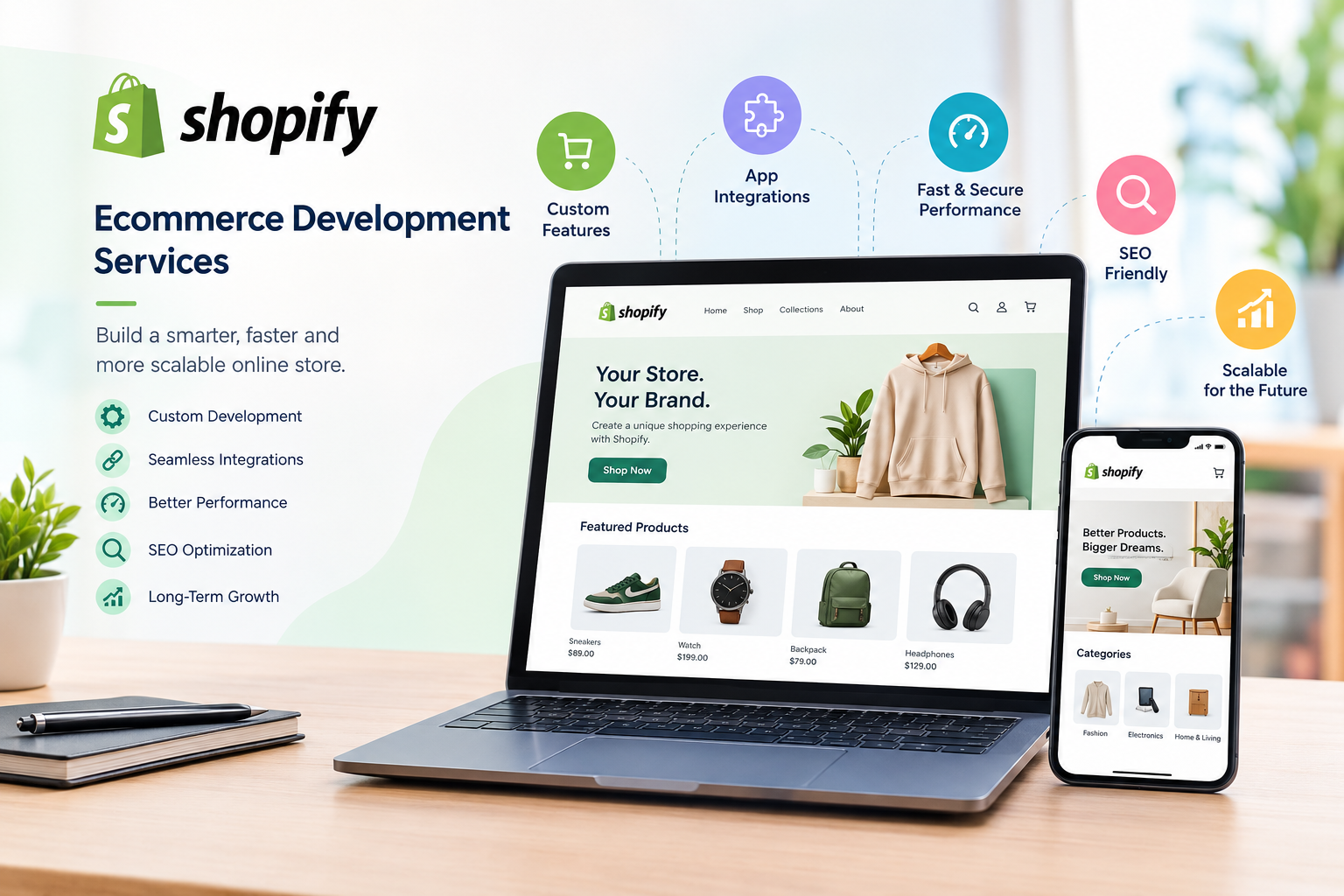
Shopify ecommerce development services help businesses create online stores that match their operational requirements, customer expectations, and future plans. Understanding the essential elements of development can help business owners avoid unnecessary complexity and make more informed decisions.
Start With a Clear Ecommerce Strategy
Before selecting a theme or installing applications, define the purpose of the store. A business selling handmade products may need a simple catalog and straightforward checkout. A retailer managing hundreds of products may require advanced filtering, inventory synchronization, and specialized customer experiences.
Identify the Essential Requirements
Consider the following questions before development begins:
- Who are the target customers?
- How many products and variations will the store contain?
- Which payment and shipping methods are required?
- Will the business sell internationally?
- Does inventory need to connect with another system?
- Are wholesale pricing or subscription purchases necessary?
These answers help establish a practical development plan and reduce the risk of investing in features that provide little value.
Design a Store Around Customer Needs
A well-designed ecommerce store makes product discovery and purchasing straightforward. Customers should be able to understand what a product offers, compare relevant options, and find important information without navigating through unnecessary pages.
Create Useful Product Pages
Product pages should contain clear descriptions, accurate specifications, relevant images, pricing, availability, and shipping information. Product variations should be easy to select, particularly when customers need to choose sizes, colors, materials, or configurations.
Keep Navigation Simple
Logical collections, descriptive category names, search functionality, and relevant filters can make large catalogs easier to explore. Mobile usability deserves equal attention because visitors may browse and purchase from different screen sizes.
Choose Features That Support Business Operations
Custom development becomes useful when standard features cannot fully support a business process.
For example, a company may need personalized product options, customer-specific pricing, subscription functionality, or automated inventory updates. Before implementing a feature, evaluate its expected benefits, maintenance requirements, and compatibility with the existing store.
A thoughtful approach to Shopify ecommerce development services focuses on solving genuine business problems instead of adding unnecessary technical complexity.
Compare Ecommerce Platforms Before Committing
Shopify is not the only platform available, and alternatives may be appropriate for different business models.
WooCommerce Development Services may be suitable for businesses that prefer managing ecommerce through WordPress and want greater control over their website environment.
Wix Website Development Services can work well for smaller businesses that value straightforward website management and integrated ecommerce tools.
For more complex enterprise operations, Adobe Commerce Development Services may be worth evaluating. Businesses that require extensive Magento-based customization can also consider custom magento development services.
The decision should reflect the required functionality, technical resources, operating costs, and expected growth rather than platform popularity alone.
Make Integrations Part of the Plan
Ecommerce businesses often depend on systems beyond their storefront. Payment providers, shipping platforms, accounting software, customer relationship management tools, and inventory systems may all need to exchange information.
Integrations can reduce manual data entry and improve workflow consistency. However, every application should serve a defined purpose. Too many overlapping tools can increase costs and make troubleshooting more difficult.
Build for Search Visibility and Performance
A store needs to work well for both visitors and search engines.
Important SEO considerations include descriptive page titles, useful product descriptions, logical collection structures, internal links, clean URLs, and appropriate product structured data.
Performance also matters. Optimized images, carefully selected applications, lightweight theme components, and regular speed testing can help maintain a responsive shopping experience.
Businesses researching their implementation options can explore Shopify store development and customization when planning their ecommerce requirements.
Measure Results After Launch
Development should continue after the store goes live. Monitor organic traffic, conversion rates, product performance, checkout abandonment, and customer behavior to identify opportunities for improvement.
Webiators can be considered when evaluating implementation approaches for a customized Shopify storefront.
Conclusion
A successful online store combines a clear business strategy with useful design, reliable functionality, strong performance, and ongoing improvement. Shopify ecommerce development services can support these objectives when development decisions are based on customer needs and measurable business requirements. By planning carefully and reviewing results regularly, businesses can build a store that remains practical as their ecommerce operations evolve.
FAQs
1. What do Shopify ecommerce development services include?
They may include store setup, theme customization, custom features, integrations, testing, and ongoing optimization.
2. Can Shopify support a large product catalog?
Yes. Shopify supports product catalogs with multiple products and variants, although the store should be organized carefully for usability and performance.
3. Can Shopify integrate with inventory software?
Yes. Suitable applications and integrations can synchronize inventory and order information with external systems.
4. Is Shopify suitable for small businesses?
Yes. It offers store management tools and ecommerce functionality that can suit businesses at different stages.
5. How can a Shopify store improve organic visibility?
Useful product content, clear site architecture, internal linking, technical SEO, and good performance can support organic search visibility.

