

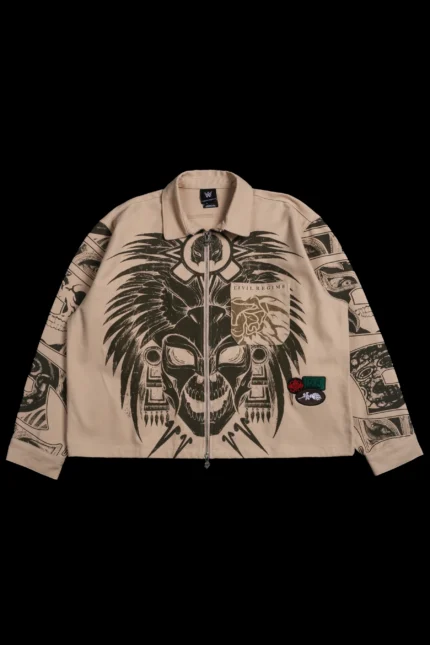
Streetwear has grown into a versatile fashion style that combines casual clothing, cultural influences, and personal creativity. From graphic T-shirts and relaxed trousers to hoodies, track jackets, and distinctive accessories, it offers many ways to develop a recognizable everyday look. Exploring Vivet can help fashion enthusiasts discover different streetwear categories and find inspiration for building outfits that reflect their individual preferences.
Developing a personal style does not require following every trend or purchasing an entirely new wardrobe. It starts with understanding what you enjoy wearing, learning how different garments work together, and making thoughtful choices that suit your lifestyle.
1. Understand How Streetwear Reflects Personal Identity
Clothing can communicate personality without requiring words. Some people prefer understated outfits, while others enjoy expressive graphics, oversized silhouettes, and contrasting colors. Streetwear allows room for both approaches.
Your fashion identity may be influenced by music, entertainment, art, sports, or the people whose style you admire. These influences can provide inspiration, but the most effective approach is to adapt ideas rather than copy every detail.
For example, someone who enjoys minimalist fashion might choose a plain shirt, relaxed trousers, and a simple jacket. Someone who prefers a bolder look could combine graphic clothing with distinctive footwear or accessories.
Neither approach is inherently better. What matters is finding combinations that feel comfortable and consistent with your personality.
2. Learn to Build a Strong Foundation
Before experimenting with complicated outfits, establish a foundation of versatile clothing. These everyday essentials make it easier to create different looks without purchasing new items for every occasion.
T-shirts and long-sleeve shirts
T-shirts are useful for casual outfits because they can be worn independently or beneath jackets and hoodies. Long-sleeve shirts provide another option when you want additional coverage or a different visual effect.
Consider choosing designs that complement the colors and styles you already wear. A mixture of simple tops and graphic designs provides flexibility.
Hoodies and sweatshirts
Hoodies are widely associated with casual streetwear. They can be combined with jeans, relaxed trousers, or sweatpants, depending on the appearance you want to achieve.
When selecting a hoodie, consider its fit, length, color, and how comfortably it works with other layers.
Pants and outerwear
Different pants can change the character of an outfit. Denim may provide a familiar casual appearance, while sweatpants create a more relaxed combination. Track pants can contribute to a sport-inspired look.
Jackets offer another way to introduce structure, contrast, and layering options.
Building around these categories gives you a practical starting point for developing a wardrobe that supports different combinations.
3. Experiment With Different Streetwear Silhouettes
A silhouette is the overall shape created by the clothing you wear. Understanding silhouettes can help you create outfits that appear coordinated rather than accidental.
One option is to combine a relaxed hoodie with straight-leg pants. Another is to wear a more fitted shirt with wider trousers. You can also experiment with longer tops beneath shorter jackets to introduce additional visual interest.
The important consideration is proportion. If every garment is extremely loose, the outfit may look different from what you intended. Likewise, combining several fitted pieces creates a different effect.
Try different combinations in front of a mirror and pay attention to how each garment sits when you stand, walk, and move. Comfort should remain a priority.
You can also use footwear to influence the final appearance. Different shoe shapes and styles can change how the proportions of trousers and outerwear come together.
4. Use Color to Make Outfits More Cohesive
Color coordination is one of the simplest ways to improve everyday styling. You do not need an extensive collection of colorful garments to create interesting outfits.
Begin with a few shades that you enjoy wearing. Black, white, gray, and navy can work as flexible foundations, while brighter colors provide opportunities for contrast.
A practical approach is to select one main color and use complementary shades for the remaining pieces. For instance, dark pants and a neutral shirt can provide a background for a colorful jacket.
You can also create variety by changing the balance between light and dark clothing. A light top with dark trousers produces a different visual effect from an outfit built around darker shades.
As you become more confident, experiment with graphic designs, contrasting panels, and accessories. Small changes can make familiar clothing feel different without requiring a complete wardrobe overhaul.
5. Make Layering Work Throughout the Year
Layering adds depth to an outfit and provides flexibility when temperatures change. It can also help you reuse the same garments in several ways.
During cooler conditions, a long-sleeve shirt beneath a hoodie and jacket may provide useful coverage. In milder weather, a T-shirt with an open jacket may be more comfortable. On warmer days, a lightweight top can serve as the main component of an outfit.
When layering, consider the thickness and length of each garment. Several heavy pieces may feel restrictive, while incompatible lengths can make an outfit appear less coordinated.
Choose layers that serve a purpose, whether that is providing warmth, introducing color, or changing the overall silhouette.
Planning around the local weather and your daily activities helps ensure that your clothing remains practical rather than purely decorative.
6. Explore Trends Without Losing Your Individual Style
Fashion trends can introduce new ideas, but they change frequently. Building an entire wardrobe around short-lived trends may lead to unnecessary purchases and clothing that quickly feels outdated.
Instead, identify the parts of a trend that genuinely appeal to you. You might like a particular silhouette, a new color combination, or the way someone layers a jacket over a graphic shirt.
Try incorporating one of those elements into your existing wardrobe. If it works with several items you already own, it may be a useful addition. If it only fits one very specific outfit, consider whether it deserves priority.
Streetwear collections, including those available through Vivet, can serve as sources of styling inspiration. However, your own preferences and practical needs should guide your final decisions.
The goal is not to avoid trends altogether. It is to choose them selectively so that your wardrobe continues to reflect your identity.
7. Shop With Value and Versatility in Mind
Thoughtful shopping helps you create a more useful wardrobe while managing your budget.
Before purchasing a garment, consider its expected frequency of use. An item that works for everyday outings, travel, and casual gatherings may be more versatile than one designed for a single type of occasion.
You can also evaluate a garment by considering its cost per wear. Divide the purchase price by the number of times you realistically expect to wear it. This simple calculation offers another perspective on value, although it does not measure garment quality by itself.
When buying online, review the product description, available sizes, measurements, and store policies. Check the disclosed information about materials and care rather than assuming that every garment has the same characteristics.
Avoid making decisions based solely on promotional photographs or current popularity. A purchase should make sense for your wardrobe, comfort, and budget.
8. Maintain Your Wardrobe and Keep It Organized
Developing personal style is an ongoing process. As your preferences change, you may discover new ways to combine existing pieces or identify items that no longer suit your needs.
Keeping your wardrobe organized makes this process easier. Group similar garments together so you can quickly compare available tops, pants, jackets, and accessories.
Proper clothing care is equally important. Follow the instructions on each item's care label, use suitable washing methods, and store garments appropriately. Different materials and garment constructions may require different care routines.
Periodically review the clothing you wear most often. These pieces can reveal useful information about your preferences, helping you make more informed decisions when shopping in the future.
A well-maintained wardrobe also makes it easier to experiment because you can see the options already available to you.
Conclusion
Everyday streetwear offers an opportunity to combine comfort, creativity, and personal expression. By understanding silhouettes, coordinating colors, experimenting with layers, and choosing versatile clothing, you can develop a style that works for different situations.
Exploring collections such as Vivet can provide ideas for incorporating different streetwear categories into your wardrobe. The most important step, however, is adapting those ideas to your own preferences instead of following every trend.
Build around clothing you enjoy wearing, shop thoughtfully, and experiment with combinations that feel natural. Over time, these habits can help you develop a distinctive fashion identity that remains practical for everyday life.
