

What Makes a Good Vacuum Hanger? Fit, Seal, Comfort and Consistency Explained

Vacuum hanging has become an increasingly discussed option among men researching traction-based training systems. While different devices may appear similar at first, their effectiveness as practical training tools depends on much more than how much weight they can hold.
Fit, vacuum stability, pressure control, comfort, and consistency all influence whether a device can realistically become part of a regular routine.
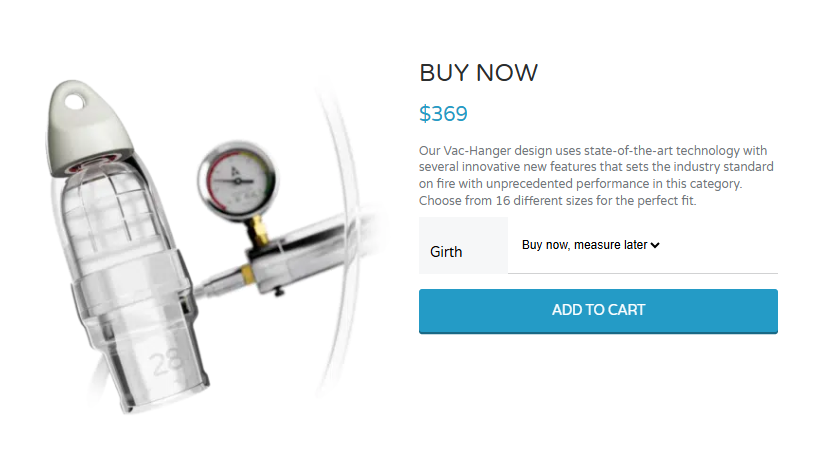
The stealth vac hanger is one example of a vacuum-assisted system designed around these factors. Rather than relying exclusively on mechanical compression around the shaft, it uses a vacuum-based attachment system designed to create a controlled connection for traction training.
Understanding these basic principles can help users evaluate vacuum hangers more carefully before beginning a routine.
Why Vacuum Attachment Matters
Traditional hanging devices commonly rely on compression to create grip. A vacuum hanger works differently.
The device creates negative pressure inside a chamber, helping establish an attachment point that can then be used for controlled traction.
This difference affects the entire training experience.
With a vacuum-assisted setup, users need to pay particular attention to:
-
Chamber sizing
-
Seal quality
-
Suction pressure
-
Attachment stability
-
Comfort
-
Circulation and sensation
-
Gradual progression
These factors work together. If one part of the setup is incorrect, the entire session may become uncomfortable or inconsistent.
Fit Comes Before Weight
One of the most important mistakes beginners can avoid is focusing on training weight before establishing the correct fit.
A vacuum system depends on maintaining a reliable seal. If the chamber or associated components do not match the user's anatomy correctly, maintaining that seal can become more difficult.
An unstable setup can result in repeated adjustments, loss of suction, discomfort, or slipping.
The Stealth Vac Hanger is built around anatomy-based sizing rather than a purely one-size-fits-all approach. Users should therefore measure carefully and follow the manufacturer's sizing instructions before beginning a traction routine.
Proper fit can make the device easier to position and can help create a more repeatable setup from one session to the next.
The Vacuum Seal Should Be Stable, Not Excessive
A common misconception with vacuum-based devices is that stronger suction automatically creates a better session.
That is not necessarily the goal.
Vacuum pressure only needs to be sufficient to maintain a stable attachment under the intended traction. Excessive suction can make the setup unnecessarily uncomfortable.
The objective should be controlled, comfortable suction without repeated slipping.
Stealth For Men's guide to Vac Hanger pressure, suction, seal and slippage explains how pressure can be built progressively rather than simply maximized.
This is especially important for beginners, who are still learning how the device should feel when properly positioned.
Why Slippage Happens
Slippage is one of the most frustrating problems with any traction setup.
With a vacuum hanger, several factors may contribute:
Incorrect sizing: A chamber that does not suit the user's measurements may make establishing a dependable seal more difficult.
Poor positioning: Even a correctly sized device may lose stability if it is not seated properly.
Insufficient seal: Air entering the system can reduce the vacuum needed to maintain attachment.
Too much load too soon: Increasing traction before mastering the setup can place more demand on the attachment than it can comfortably support.
Rushed preparation: A repeatable routine usually becomes easier when users take time to check every component before applying traction.
Solving the underlying setup problem is usually more useful than immediately trying to increase suction or tighten components.
Comfort Is an Important Part of Consistency
A traction device may look impressive on paper, but a routine becomes difficult to maintain if every session is uncomfortable.
Comfort should therefore be treated as part of device performance rather than an optional extra.
A properly prepared vacuum hanger should allow the user to focus on controlled traction rather than constantly adjusting the attachment.
For first-time users, Stealth For Men provides a beginner's guide to the Stealth Vac Hanger covering setup, comfort, and consistency.
Learning the attachment process gradually can be particularly valuable during the first several sessions.
Vacuum Hanging vs Compression Hanging
Vacuum hanging is not the only traction method available.
Compression hangers use controlled mechanical pressure to create grip, while vacuum hangers rely primarily on suction-based attachment.
Each method has its own setup process, feel, and learning curve.
Some users may prefer the direct mechanical grip associated with compression systems. Others may prefer the attachment style of a vacuum-based system.
The better choice depends on anatomy, experience, personal preference, comfort, and the type of routine being followed.
Men still deciding between the two systems can review Stealth For Men's compression hanger vs vacuum hanger comparison before selecting a device.
Beginners Should Learn the Device Before Progressing
A new traction device should not be treated like equipment that needs to be pushed to its maximum capacity immediately.
Beginners first need to understand:
-
How the components fit together
-
How the vacuum seal is created
-
How the attachment should feel
-
How to recognize slipping
-
How their body responds to traction
-
What warning signs require stopping
Only after the setup becomes familiar should progression even be considered.
Stealth For Men's complete Stealth Vac Hanger guide provides additional information on how vacuum attachment works and how traction is transferred through the system.
Safety Should Never Be Separated From Training
Penile traction involves sensitive tissue, which means users should monitor their body's response throughout every session.
Pain, persistent numbness, significant discoloration, loss of sensation, or other unusual symptoms should not simply be ignored in the belief that discomfort is necessary for progress.
The device should be removed if something feels wrong.
Stealth For Men also provides a dedicated vacuum hanging safety guide covering conservative loading, fit, circulation, sensation, and other precautions that beginners should understand before establishing a routine.
Persistent or concerning symptoms should be assessed by an appropriate healthcare professional.
Consistency Starts With Repeatable Setup
For many users, the hardest part of a traction routine is not completing one demanding session. It is creating a routine that can be followed consistently.
Repeatable setup makes that easier.
Before each session, users can develop a simple checklist:
-
Confirm the device and components are clean.
-
Check that the correct chamber and seals are being used.
-
Position the system carefully.
-
Establish vacuum gradually.
-
Confirm the attachment is comfortable and stable.
-
Begin traction conservatively.
-
Monitor sensation and circulation during the session.
A consistent setup also makes it easier to identify problems. If something suddenly feels different, users can determine which part of the routine changed.
What Should Men Look for in a Vacuum Hanger?
Men researching vacuum-assisted traction devices should consider more than price or maximum loading capacity.
Useful factors to compare include:
-
Sizing options
-
Chamber design
-
Vacuum stability
-
Seal quality
-
Comfort
-
Ease of setup
-
Available instructions
-
Safety information
-
Replacement components
-
Learning resources
A device that fits well and can be used consistently may be more practical than one that appears more aggressive but is difficult to operate comfortably.
A More Structured Approach to Vacuum Traction
The Stealth Vac Hanger represents a structured approach to vacuum-assisted traction because the system places significant emphasis on sizing, attachment, pressure control, and supporting educational material.
That does not mean every user will have the same experience, nor does any traction system guarantee a particular physical result.
Instead, users should evaluate the device realistically and approach training progressively.
The best starting point is to understand how the system works, confirm the correct fit, learn how to create a stable vacuum seal, and become comfortable with the setup before attempting more demanding sessions.
Final Thoughts
Vacuum hanging is not simply about attaching weight to a device.
A successful routine depends on the relationship between fit, suction, stability, comfort, safety, and consistency.
Men considering vacuum-assisted traction should therefore focus first on understanding their equipment and developing a repeatable setup.
For those interested in this approach, the Stealth Vac Hanger provides a size-focused vacuum traction system supported by guides covering setup, pressure control, safety, and beginner use.
Learning those fundamentals before increasing training demands can help create a more controlled and informed approach to vacuum hanging.

