

A Cleaner Yard Starts Below the Surface: A Homeowner’s Guide to Residential Tree Stump Grinding

A freshly cleared yard can make a home feel more open, attractive, and inviting. But when a tree has been cut down, the remaining stump can get in the way of those plans. It may complicate mowing, take up space that could be used for landscaping, and leave an uneven patch that never quite blends into the lawn.
For homeowners looking to improve their outdoor spaces, Residential Tree Stump Grinding in Sarasota, FL offers a practical way to deal with unwanted stumps without necessarily excavating the entire root system. Understanding how the process works, when it makes sense, and what to do afterward can help you make a better decision for your property. From protecting nearby landscaping to preparing the soil for fresh grass, a few thoughtful steps can turn an awkward corner of the yard into a useful space again.
Why Tree Stumps Can Become a Problem at Home?
A stump may not seem urgent after a tree comes down, but its impact often becomes clearer during everyday yard work. The longer it remains, the more likely it is to interfere with maintenance or future landscaping plans.
Lawn Care Becomes More Difficult
Mowing around a stump requires extra effort, especially when roots spread across the surface. Grass may grow unevenly around the wood, and trimming close to the stump can be awkward.
This is particularly frustrating for homeowners who want a neat, consistent lawn. Removing the visible obstruction makes routine maintenance easier and gives you more flexibility when planning the layout of your yard.
Stumps Can Create Tripping Hazards
Low stumps and exposed roots can be difficult to spot when grass grows over them. Children playing outdoors, visitors walking through the yard, or anyone carrying gardening equipment could trip over an unexpected obstacle.
A stump can also interfere with lawn equipment if the operator accidentally strikes it. Clearing the area reduces these inconveniences and makes the yard easier to navigate.
Decaying Wood May Attract Unwanted Pests
As wood breaks down, it can provide shelter for insects and other organisms. Depending on the conditions, a decaying stump may attract termites or other wood-damaging pests.
A stump doesn't automatically mean your home has a pest problem. Still, removing unwanted decaying wood near a house, shed, or wooden fence can be a sensible part of maintaining the property. If you notice signs of termites, arrange a professional inspection to identify the source.
How the Grinding Process Works
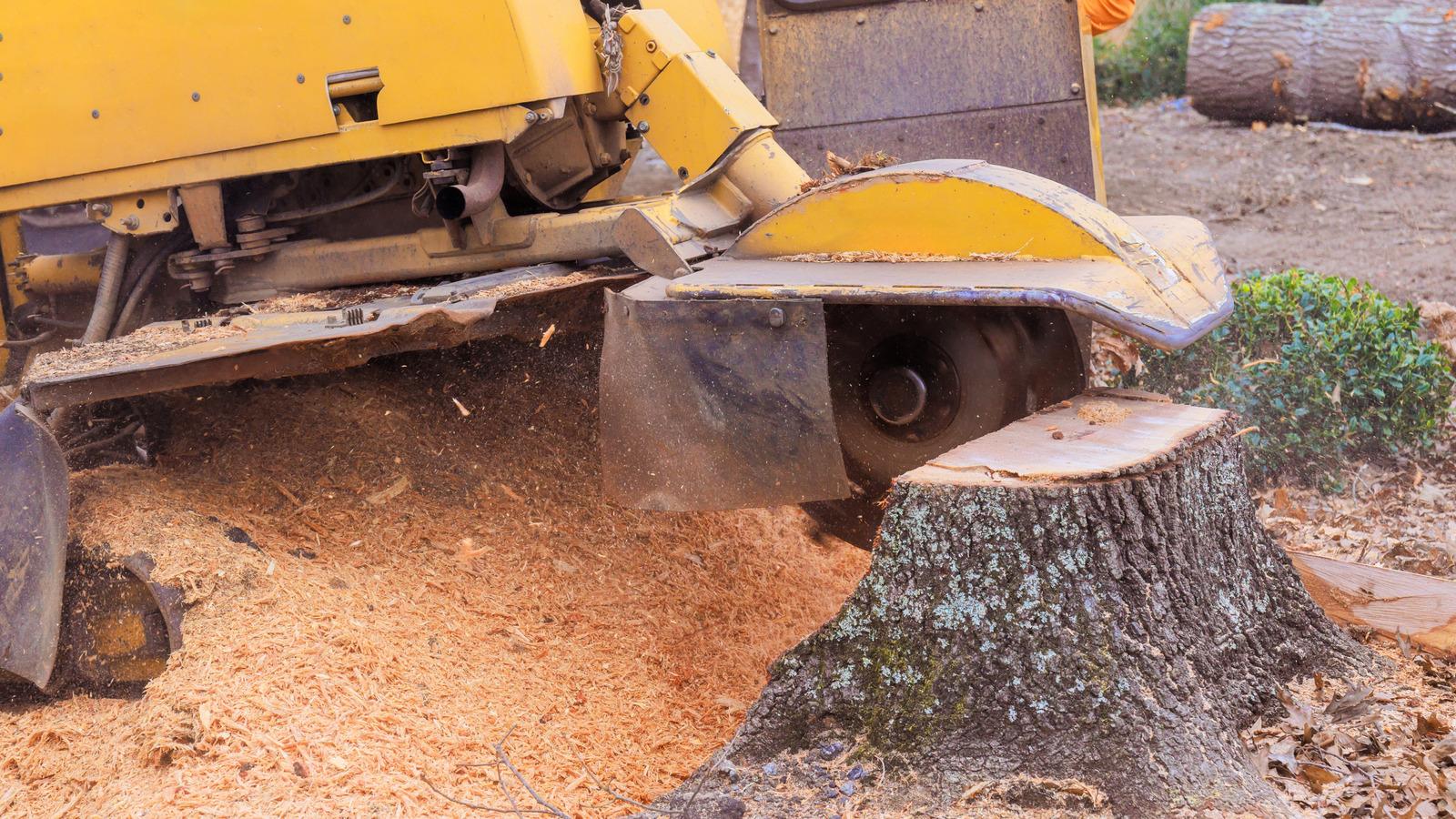
Stump grinding uses specialized machinery to break the remaining tree stump into smaller wood chips. Rather than digging out the entire root system, the equipment gradually grinds the visible stump below the surrounding ground level.
What Happens During the Service?
Although the exact process depends on the stump and the site, the work generally follows a few steps:
-
Site assessment: The operator checks the stump's size, location, accessibility, and nearby obstacles.
-
Area preparation: Loose objects and potential hazards are cleared from the work zone.
-
Grinding: Specialized equipment reduces the stump to wood chips, working to an appropriate depth for the intended result.
-
Debris management: The remaining chips are collected, moved, or left for use as suitable mulch, depending on the agreed service.
-
Ground inspection: The area is checked to determine whether additional soil, leveling, or landscaping work is needed.
Grinding depth matters. A shallow grind may be sufficient for basic lawn restoration, while a deeper grind may be required for certain planting or landscaping plans. Discuss your goals before the work begins so the operator can recommend a suitable approach.
Grinding Versus Full Excavation
Grinding usually disturbs less surrounding soil than removing a stump and its main roots through excavation. It can be a convenient choice when the objective is to clear the surface and restore the lawn.
However, much of the root system typically remains underground and decomposes naturally over time. If you need the root mass removed for construction or substantial ground preparation, ask whether excavation would be more appropriate.
Homeowners comparing Old Tree Stump Removal in Sarasota, FL options should consider the final use of the space, not just the immediate appearance of the stump.
Preparing Your Property Before Work Begins
A little preparation can make stump grinding safer and help protect the surrounding yard. Before scheduling the service, take a few minutes to review the site.
Locate Underground Utilities
Buried electrical cables, water pipes, irrigation lines, and communication services may run near a stump. Before any digging or ground-disturbing work, arrange the appropriate utility locating service and follow local requirements.
Don't assume that an open lawn is free of underground infrastructure. If you have a sprinkler system, point out the irrigation lines and sprinkler heads before work starts.
Protect Nearby Landscaping
Check the area for garden borders, delicate plants, fences, paving, and other features that could be affected by equipment or flying wood chips.
Move portable furniture, toys, garden tools, and decorations away from the work zone. If you want nearby plants preserved, identify them clearly and discuss equipment access with the service provider.
Restricted access may affect the equipment that can be used, so mention narrow gates or other obstacles when requesting an estimate.
Consider the Weather and Ground Conditions
Sarasota homeowners should also consider rainfall and drainage when scheduling outdoor projects. Very wet or soft ground may affect equipment access and make it harder to restore the surface neatly.
Ask the service provider whether the current site conditions are suitable for the planned work. If the area tends to collect water, discuss how the ground will be leveled and whether additional drainage improvements may be needed.
What to Do With the Area After Grinding
Once the stump has been ground down, the next step is preparing the space for its intended use. A little care at this stage can prevent uneven settling and make the finished yard look better.
Remove Excess Wood Chips
Grinding creates a mixture of small wood fragments and debris. Some homeowners choose to reuse suitable chips as mulch around established plants, but large amounts aren't ideal for every application.
If you're restoring a lawn, remove excess chips from the planting area before adding soil. Mixing substantial quantities of fresh wood chips into the ground can affect the conditions available to new plants.
Fill and Level the Ground
Depending on the stump's size and the depth of grinding, the area may need additional soil. Use suitable fill material and topsoil to restore the grade, keeping the finished surface consistent with the surrounding yard.
Avoid leaving a deep depression that could collect rainwater. If the location already has drainage problems, consider addressing them before installing new grass or landscaping.
Choose Your Next Landscaping Project
A cleared stump area can serve several purposes:
-
Lawn restoration: Plant suitable grass seed or install sod to create a continuous lawn.
-
Garden expansion: Add flowers or shrubs that match the available sunlight and soil conditions.
-
Outdoor seating: Prepare a stable base for a small seating area, with appropriate construction where necessary.
-
New tree planting: Select a suitable location and consider the old root system, available space, and mature size of the new tree.
Allow the soil to settle as appropriate for the project, and follow the recommendations for your chosen grass or plants. If you plan to install paving or build a structure, confirm that the ground preparation meets the requirements of that project.
When to Hire a Professional
Some small stumps may look manageable, but stump grinding involves heavy machinery and specialized cutting equipment. Large stumps, extensive surface roots, nearby structures, and limited access can make the job more complicated than expected.
Professional help is especially useful when the stump is close to a building, driveway, fence, or underground utility. It can also be worthwhile if you're unsure how deeply the stump should be ground or how the area should be restored afterward.
Before hiring a provider, ask:
-
What grinding depth is recommended for my plans?
-
Is debris removal included in the estimate?
-
Will the service include filling or leveling the area?
-
Are there any access restrictions or site preparations I should handle?
-
What additional work might be needed before planting grass?
Never try to pull a stump out with a vehicle or improvised equipment. Roots can resist unpredictably, and the attempt may damage property or cause serious injury.
Homeowners can contact Awesome Tree & Stump Service llc at 1011 Snead Ave, Sarasota, FL 34237, to discuss their stump removal needs and ask about suitable options for their property.
Conclusion
An unwanted stump can make lawn maintenance harder, limit landscaping choices, and leave a yard looking unfinished. Grinding offers a practical way to reduce the visible stump while avoiding the extensive soil disturbance that can come with full excavation. The best results come from choosing an appropriate grinding depth, protecting nearby features, and preparing the ground carefully afterward.
Before starting, consider underground utilities, drainage, equipment access, and the purpose of the cleared space. These details help you plan the work around your property's needs rather than treating the stump as an isolated problem.
If you're ready to make better use of your outdoor space, Residential Tree Stump Grinding in Sarasota, FL can be a helpful step toward a cleaner and more functional yard. Contact Awesome Tree & Stump Service llc to discuss your project, understand your options, and plan the next stage of your landscaping improvements.
