

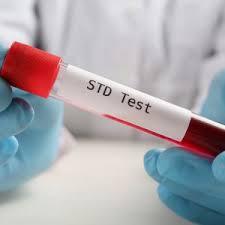

An STD testing consultation is an opportunity to discuss sexual health concerns, understand available screening options, and determine which tests may be appropriate for your circumstances. Sexually transmitted diseases (STDs), also called sexually transmitted infections (STIs), can sometimes develop without noticeable symptoms. Testing can help identify certain infections early and support timely medical care.
For people considering an STD Test in Dubai, knowing what happens during a consultation can make the process less stressful. The appointment generally involves discussing medical history, reviewing possible exposure, selecting suitable tests, and explaining what happens after samples are collected. The exact process depends on individual needs, the healthcare provider's assessment, and the tests required.
Discussing Your Medical and Sexual Health History
One of the first steps in an STD testing consultation is reviewing your medical history. A healthcare professional may ask about current symptoms, previous infections, recent testing, medications, and any relevant medical conditions.
You may also be asked about the timing and type of possible exposure, including whether protection was used. These questions help the clinician assess which infections may need consideration and whether testing should take place immediately or be repeated later.
It is important to answer honestly because accurate information supports appropriate clinical decisions. If you have concerns about discussing personal matters, you can ask how your information is handled and what confidentiality protections apply.
Not everyone needs the same screening panel. A clinician may recommend different tests depending on your symptoms, exposure history, and individual risk factors.
Reviewing Symptoms and Possible Exposure
During the consultation, the healthcare professional may ask whether you have experienced symptoms such as unusual discharge, painful urination, genital sores, itching, rashes, or pelvic discomfort. Some infections can also cause symptoms outside the genital area, depending on the infection and exposure site.
However, the absence of symptoms does not necessarily mean that an infection is absent. Chlamydia, gonorrhoea, HIV, and other infections may sometimes remain undetected without obvious signs.
If you have a specific concern following sexual contact, tell the clinician when the contact occurred and which body areas may have been exposed. This information can influence the choice of tests, including whether urine, blood, or a swab sample may be appropriate.
If a possible HIV exposure occurred within the past 72 hours, seek urgent medical advice about post-exposure prophylaxis (PEP). Do not wait for a routine testing appointment because PEP must be started promptly.
Choosing the Appropriate STD Tests
After reviewing your history and concerns, the healthcare professional can explain the available testing options. An STD screening appointment may involve one or more of the following:
-
Blood tests: Used to screen for certain infections, including HIV and syphilis, and sometimes hepatitis B or hepatitis C when indicated.
-
Urine tests: Commonly used to detect infections such as chlamydia and gonorrhoea.
-
Swab tests: Samples from the genital, throat, or rectal area may be recommended according to symptoms and exposure.
-
Lesion swabs: When sores or blisters are present, a sample may help identify particular infections, such as herpes.
No single test detects every sexually transmitted infection. Some infections require specific tests, and routine screening may not include every possible infection. The clinician should explain which tests are being considered and why.
Understanding the STD Testing Window Period
The window period is the time between acquiring an infection and when a particular test can reliably detect it. Testing too early may produce a negative result even when an infection is present.
Window periods vary according to the infection and test method. For example, different HIV tests have different detection windows. Other infections also require specific timing considerations.
During the consultation, ask when you should be tested and whether a repeat test may be necessary. A negative result should always be interpreted in relation to the exposure date, symptoms, and type of test performed.
If you have symptoms or a known exposure, a healthcare professional can advise whether immediate testing, treatment, or follow-up testing is appropriate.
Privacy and Confidentiality During the Appointment
Privacy is an important consideration when seeking an STD test in Dubai. Patients may feel anxious about sharing sensitive information, but clear communication helps healthcare professionals provide appropriate care.
Before proceeding, you can ask how your medical information and test results are stored, who may access them, and how results will be communicated. Confidentiality is subject to applicable UAE laws, healthcare requirements, and any relevant reporting obligations.
It is also reasonable to ask about sample collection, appointment procedures, and whether any preparation is needed. For instance, certain urine tests may have specific collection instructions, while other tests may not require preparation.
Understanding these details in advance can help you feel more comfortable and make informed decisions about your sexual health.
What Happens After the Tests?
Once the recommended samples have been collected, the clinic or laboratory processes them using the appropriate testing methods. Result turnaround times vary depending on the test, laboratory, and whether additional confirmation is required.
A healthcare professional should explain the results and discuss any next steps. If an infection is identified, treatment may involve prescribed medication, additional assessment, partner notification guidance, or follow-up testing.
Some infections require repeat testing after treatment to confirm that the infection has cleared or to check for reinfection. Other conditions need ongoing monitoring. If the results are negative but testing occurred during a window period, another test may be recommended.
Avoid self-medicating with antibiotics or assuming that symptoms alone confirm a particular infection. Appropriate diagnosis helps prevent unnecessary treatment and supports effective care.
STD Testing Consultation at Tajmeels Clinic
When considering sexual health screening, patients can contact tajmeels clinic dubai to enquire about available STD testing services, appointment procedures, and consultation requirements. During an appropriate clinical consultation, patients should be able to discuss their concerns, understand the available testing options, and ask questions about privacy and follow-up.
The choice of tests should be based on individual circumstances and qualified medical advice rather than assuming that everyone requires the same screening panel. Patients should also confirm the availability of specific tests, sample collection methods, and result timelines directly with the clinic before booking.
A clear consultation can help patients understand the testing process and make informed decisions about their next steps.
Frequently Asked Questions
Is an STD testing consultation necessary if I have no symptoms?
Yes, it may be appropriate. Many sexually transmitted infections can be asymptomatic, so screening decisions should consider exposure history, risk factors, and clinical guidance.
Do I need to prepare before an STD test?
Preparation depends on the test. Ask the clinic whether you need to follow specific urine collection instructions, provide a blood sample, or prepare for another type of test.
Can one test detect every STD?
No. Different infections require different testing methods, and a comprehensive assessment may involve multiple tests depending on your circumstances.
How soon will I receive my results?
Turnaround times vary by test and laboratory. Confirm the expected timeline with the healthcare provider when arranging your appointment.
Conclusion
An STD testing consultation helps patients understand their sexual health concerns, select appropriate screening options, and learn how to interpret results. Discussing exposure timing, symptoms, confidentiality, and follow-up requirements with a qualified healthcare professional supports informed decisions and timely care.
More Information
Tajmeels Clinic Dubai
WhatsApp: +971 56 203 8751
Phone: tel:+971 43739000
Social Media:
