

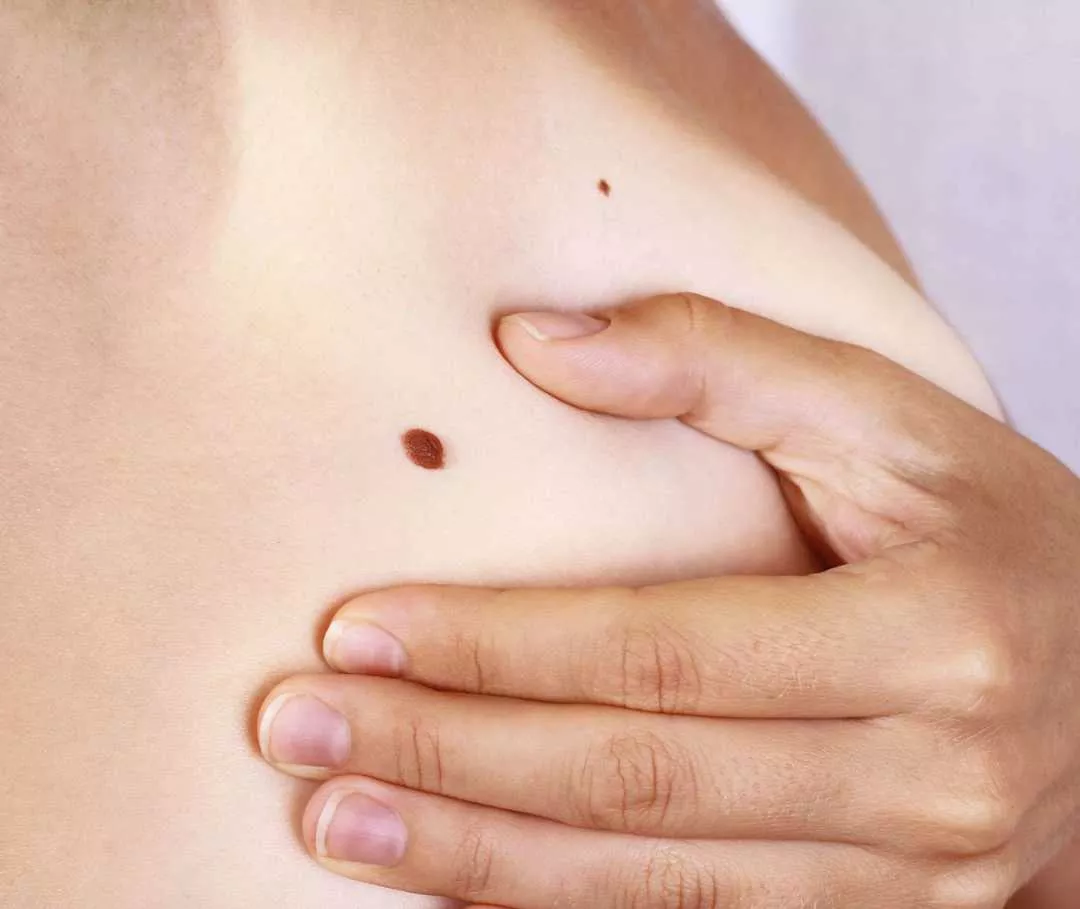
Skin Tag Removal in Islamabad: How Doctors Assess Growths That Resemble Skin Tags

Have you noticed a small, soft growth on your neck, underarms, eyelids, or another part of your body? It may look like a harmless skin tag, but not every skin growth that resembles one is actually a skin tag. Identifying the growth correctly is an important first step before deciding whether removal is necessary.
When considering Skin Tag Removal in Islamabad, many people focus on getting rid of unwanted bumps quickly. However, a doctor's assessment helps determine what the growth might be, whether further examination is needed, and which removal method is appropriate.
What Does a Typical Skin Tag Look Like?
A skin tag, medically known as an acrochordon, is a small, soft growth that commonly appears in areas where skin rubs against skin or clothing. It often has a flesh-coloured or slightly darker appearance and may hang from the skin on a narrow stalk.
Skin tags frequently develop around the neck, armpits, groin, eyelids, and beneath the breasts. They are generally harmless and may become more noticeable over time, especially when they catch on jewellery or clothing.
A typical skin tag is usually soft, movable, and painless. However, appearance alone cannot always confirm the diagnosis, particularly when a growth has an unusual colour, shape, or surface.
Why Doctors Examine Growths That Resemble Skin Tags
Several skin conditions can look similar to skin tags at first glance. Some are harmless, while others may require a different treatment or further investigation before removal.
During a consultation for Skin Tag Removal in Islamabad, a doctor considers the growth's appearance, location, size, and development over time. They may also ask whether it has changed, become painful, started bleeding, or developed a different colour.
Correct identification matters more than quick removal. Treating an incorrectly identified growth without proper assessment could delay the diagnosis of a condition that needs medical attention.
Which Skin Conditions Can Be Mistaken for Skin Tags?
Not every raised or hanging skin growth is an acrochordon. Doctors consider several possibilities when examining an unfamiliar bump.
Seborrhoeic Keratosis
Seborrhoeic keratoses are common, usually benign skin growths that may appear brown, tan, or nearly black. They often have a waxy, rough, or stuck-on appearance, although their texture can vary.
Unlike a typical soft skin tag, these growths may have a broader base and a different surface. Their texture and pigmentation can help distinguish them, but a clinician may need to examine an unusual lesion more closely.
Warts
Warts are growths associated with certain types of human papillomavirus (HPV). They may have a rough surface and can occur on the hands, feet, face, or other areas of the body.
Some warts can resemble small skin tags, particularly when they occur around the neck or underarms. However, their texture and tendency to spread may provide useful clues during an examination.
A wart may need a different treatment approach from a skin tag, so an accurate assessment is important before removal.
Moles
Moles, or melanocytic naevi, develop from pigment-producing cells and can be flat or raised. Some raised moles have a smooth surface and may look similar to a skin tag.
A mole that is changing in size, shape, or colour should not automatically be treated as a cosmetic concern. Suspicious pigmented growths need appropriate medical evaluation before removal, as some may require a biopsy or other investigation.
Sebaceous Hyperplasia and Other Benign Growths
Sebaceous hyperplasia occurs when oil-producing glands become enlarged, creating small bumps that often appear on the face. Other benign growths, including certain fibrous lesions, may also resemble skin tags.
A doctor looks at the location, surface, colour, and overall pattern of the growth to help distinguish these possibilities. Different growths require different management, even when they appear similarly small.
Less Common but More Serious Lesions
Occasionally, a skin growth that appears harmless may have features associated with skin cancer or another condition requiring further assessment. Warning signs can include rapid growth, spontaneous bleeding, a persistent sore, irregular pigmentation, or a noticeable change in shape.
These features do not automatically mean a growth is cancerous, but they should not be ignored. A changing or unusual lesion should be assessed before cosmetic removal is considered.
How Doctors Assess a Skin Growth Before Removal
A clinical assessment usually begins with questions about the growth and a physical examination. The doctor may ask when it first appeared, whether it has changed, and whether there is any pain, itching, irritation, or bleeding.
The examination helps establish whether the lesion has the typical characteristics of a skin tag. If the diagnosis is uncertain, the doctor may recommend dermoscopy, referral to a dermatologist, or a biopsy when clinically appropriate.
During Skin Tag Removal in Islamabad, the assessment may include the following considerations:
-
Size and shape: The doctor checks whether the growth is small and stalk-like or has an unusual shape or broad base.
-
Colour and surface: Flesh-coloured, evenly coloured growths may fit the typical appearance of skin tags, while irregular pigmentation or surface changes may require closer examination.
-
Location: Growths around the eyelids, face, groin, or other sensitive areas may need particular care.
-
Symptoms: Pain, repeated bleeding, rapid enlargement, or persistent irritation can influence the next steps.
-
Medical history: Previous skin conditions, relevant medicines, and personal or family history may affect assessment and treatment planning.
-
Need for further testing: If the growth does not look typical, the doctor may recommend additional evaluation before removing it.
The goal is to confirm the likely diagnosis and choose a safe, appropriate next step. Not every growth needs testing, but uncertainty should be addressed rather than overlooked.
When Should You Seek Medical Advice?
A stable, soft growth that resembles a typical skin tag is often harmless. Nevertheless, it is sensible to arrange an examination if you are unsure what it is or if it has recently changed.
Seek medical advice promptly if a growth grows quickly, changes colour or shape, develops an irregular border, bleeds without a clear reason, becomes persistently painful, or fails to heal. A dark or unusual lesion should not be cut or burned off at home.
Do not assume that every hanging bump is a skin tag. Professional assessment is particularly important before removing a growth from the eyelid or another delicate area.
Which Removal Methods May Be Suitable?
Once a doctor is confident that a growth is a skin tag, they can discuss appropriate removal options. Depending on its size, location, and clinical circumstances, methods may include sterile snip excision, cautery, or cryotherapy.
Snip excision involves cutting off the growth with an appropriate sterile instrument. Cautery uses controlled heat, while cryotherapy uses freezing to treat selected lesions. Not every method suits every growth, and the doctor should explain potential discomfort, healing time, scarring, and pigment changes.
If the diagnosis remains uncertain, the clinician may choose a method that allows the tissue to be sent for laboratory examination or recommend a specialist assessment first. The best removal method depends on both the diagnosis and the individual patient's needs.
Why Avoid Removing Suspected Skin Tags at Home?
Cutting, tying off, or burning a growth at home can cause bleeding, infection, burns, and scarring. It may also damage nearby skin, especially around the eyes or other sensitive areas.
Over-the-counter products intended for warts or other lesions may be unsuitable for skin tags and can injure healthy tissue. Removing an unidentified growth yourself can also delay the assessment of a condition that needs attention.
Professional evaluation reduces avoidable risks and helps ensure that the treatment matches the type of growth being addressed.
Choosing a Clinic for Skin Tag Assessment
When choosing a provider, look for a clinic that prioritises diagnosis, hygiene, and an individualised treatment plan rather than promising instant removal for every bump. Ask who will assess the growth, what qualifications they hold, and whether further testing or referral is available if the diagnosis is unclear.
For people considering Skin Tag Removal in Islamabad, a consultation should explain the likely diagnosis, suitable treatment options, expected healing, and possible complications before the procedure begins.
Dynamic Aesthetic Clinic may be considered for a consultation about skin growth assessment and removal. Ask about the team's relevant expertise, evaluation by appropriately qualified, board-certified doctors or surgeons, and advanced techniques suited to the diagnosis and location of your growth.
Meta Description: Learn how doctors assess skin growths that resemble tags and explore safe options for Skin Tag Removal in Islamabad.
