

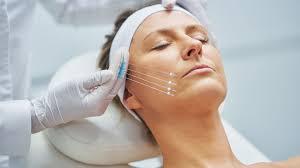

A non-surgical thread lift is a minimally invasive cosmetic procedure designed to lift selected areas of the face using dissolvable medical threads placed beneath the skin. These threads provide temporary mechanical support to targeted tissues and may stimulate collagen production as the body responds to the treatment.
People considering facial rejuvenation often explore thread lifts to address mild sagging, improve jawline definition, or create a subtle lifting effect without undergoing traditional facelift surgery. However, suitability depends on several factors, including skin laxity, facial anatomy, general health, and individual expectations.
Although a Thread lift in Dubai requires less recovery time than many surgical procedures, it is still a medical treatment with potential risks. A professional assessment is essential to determine whether it is an appropriate option.
Who Is an Ideal Candidate for a Thread Lift?
The ideal candidate is generally someone experiencing early signs of facial ageing who wants a modest improvement rather than a dramatic transformation. The following factors can help determine whether the treatment may be suitable.
Individuals With Mild to Moderate Skin Sagging
People with mild to moderate skin laxity may benefit from the lifting support provided by threads. Common concerns include slightly sagging cheeks, early jowls, reduced jawline definition, and drooping around selected facial areas.
A thread lift is not designed to remove substantial amounts of excess skin. Individuals with significant skin laxity may achieve more noticeable results through alternative treatments or surgical procedures, depending on their needs.
People Seeking Subtle Facial Rejuvenation
Some individuals want to refresh their appearance while maintaining their natural facial characteristics. A thread lift may be suitable for those seeking a gentle lifting effect rather than a major change in facial shape.
The treatment plan should consider facial proportions, tissue support, and the patient's desired outcome. Realistic expectations are important because the results vary between individuals and are temporary.
Adults With Suitable Skin Quality
Skin quality and tissue characteristics can influence treatment outcomes. People with adequate skin thickness and sufficient tissue support may be better candidates than those with very thin, fragile, or severely lax skin.
Age alone does not determine eligibility. Two people of the same age may have different facial structures, skin conditions, and degrees of tissue laxity. A qualified practitioner must assess these characteristics before recommending treatment.
Which Facial Concerns Can a Thread Lift Address?
A thread lift may be considered for selected facial areas where mild lifting and improved contour are desired.
-
Cheeks: To provide support to mildly sagging tissues.
-
Jawline: To improve the appearance of early jowls and create a more defined contour.
-
Lower face: To address selected signs of facial laxity.
-
Eyebrow area: In suitable cases, to achieve a modest lifting effect.
Not every facial area is appropriate for thread placement, and the results depend on the technique, thread type, anatomy, and degree of sagging. A thread lift cannot reliably correct deep wrinkles, extensive excess skin, or all causes of facial ageing.
Who May Not Be Suitable for a Thread Lift?
Although many adults explore non-surgical facial rejuvenation, the procedure is not appropriate for everyone.
People with significant skin laxity may not achieve their desired results from threads alone. Similarly, individuals seeking a dramatic facelift effect may need to consider other options.
A practitioner may postpone or advise against treatment for people with active skin infections, inflammation near the proposed insertion sites, or certain medical conditions that could affect healing. Bleeding disorders, medicines that influence blood clotting, and a history of abnormal scarring should also be discussed during the consultation.
Pregnancy, breastfeeding, immune-related conditions, and other relevant health circumstances may affect the timing or suitability of elective cosmetic procedures. Recommendations depend on the individual's medical history and the practitioner's assessment.
Patients should disclose all medications, supplements, previous cosmetic treatments, allergies, and relevant health conditions. They should not stop prescribed medication without advice from the prescribing clinician.
What Should You Expect During a Thread Lift Consultation?
A consultation helps establish whether a thread lift is appropriate for your facial concerns and overall health. The practitioner should review your medical history, examine the treatment area, and explain the expected benefits and limitations.
Important topics to discuss include:
-
The degree of skin laxity and the areas that may respond to treatment.
-
The type of threads proposed and how they work.
-
Possible side effects, including bruising, swelling, infection, dimpling, asymmetry, and thread visibility or displacement.
-
Expected recovery time and aftercare requirements.
-
How long results may last and what alternatives are available.
A responsible consultation should not promise perfect symmetry or guaranteed results. Patients should understand that improvement varies and that complications, although not inevitable, can occur.
How Tajmeels Clinic Approaches Thread Lift Candidacy
At tajmeels clinic dubai, individuals considering a thread lift in Dubai can discuss their facial concerns, desired outcomes, and treatment expectations during a consultation. An individualized assessment can help determine whether the degree of skin laxity, facial structure, and medical history are compatible with the procedure.
The discussion should also cover potential risks, recovery expectations, alternative treatments, and the temporary nature of the results. Where a thread lift is unlikely to provide sufficient improvement, another approach may be more appropriate. The aim is to support informed decision-making and a treatment plan based on individual needs rather than a one-size-fits-all recommendation.
How to Prepare Before Deciding on a Thread Lift
Before booking treatment, consider your priorities and the changes you realistically hope to achieve. Bring details of previous cosmetic procedures and provide an accurate medical history. Ask about practitioner qualifications, the type of threads used, safety protocols, and follow-up arrangements.
Aftercare instructions may include temporarily avoiding strenuous exercise, excessive facial pressure, and certain facial movements or treatments. Follow the specific guidance provided by your practitioner, as recommendations can vary according to the procedure performed.
Seek prompt medical advice if you experience worsening pain, increasing redness, fever, unusual discharge, or other concerning symptoms after treatment.
Is a Non-Surgical Thread Lift the Right Choice for You?
A non-surgical thread lift may be an option for adults with mild to moderate facial sagging who prefer a minimally invasive procedure and understand its limitations. However, skin condition, facial anatomy, medical history, and personal expectations all influence suitability.
The most reliable way to determine candidacy is through an in-person assessment with a qualified medical practitioner. Understanding the benefits, risks, and alternatives before proceeding can help you make a decision that aligns with your facial goals and health needs.
More Information
Tajmeels Clinic Dubai
WhatsApp: +971 56 203 8751
Phone: tel:+971 43739000
Social Media:
