

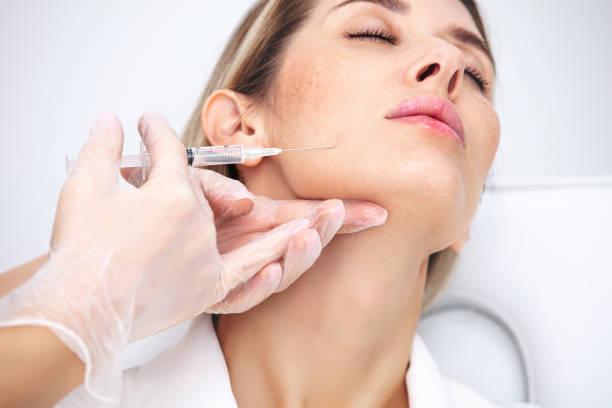

Facial expressions are an important part of communication, helping people convey emotions through smiling, raising their eyebrows, and moving their cheeks. As the face ages, changes in skin elasticity, collagen production, and underlying tissue support may gradually affect facial contours. Thread lift treatment in Riyadh is a minimally invasive cosmetic procedure that may help improve the appearance of mild facial sagging while maintaining the individual's natural features when appropriately planned and performed.
The goal of a well-planned thread lift is not to make the face look stiff or change its natural character. Instead, the procedure aims to provide temporary support to selected tissues that have begun to sag. Facial anatomy, skin quality, muscle movement, and individual aesthetic goals all influence treatment planning. Understanding these factors helps patients develop realistic expectations about what a thread lift can achieve.
How Thread Lift Treatment Works
Supporting Sagging Facial Tissues
A thread lift involves placing specially designed medical-grade threads beneath the skin using specialized instruments. Certain threads contain small barbs or cones that engage surrounding tissues, helping the clinician reposition selected areas and provide temporary mechanical support. This may improve the appearance of early sagging around the cheeks, jawline, or other suitable facial areas.
The procedure is generally performed with local anesthesia, and the technique depends on the treatment area and the individual's facial structure. Careful placement is essential because the face contains delicate anatomical structures and moves continuously during everyday activities. A qualified medical professional must consider both the resting appearance of the face and its natural movement when developing a treatment plan.
Encouraging the Skin's Natural Collagen Response
Some absorbable thread materials stimulate a local tissue response that may encourage collagen formation. Collagen contributes to skin firmness and structural support, so gradual collagen remodeling may help improve aspects of skin quality in some individuals.
However, collagen stimulation does not guarantee a specific cosmetic result. The immediate lifting effect mainly comes from mechanical tissue support, while any collagen-related changes develop over time. Thread lift results are temporary, and the procedure does not stop the natural aging process or replace the effects of a surgical facelift.
The Connection Between Facial Anatomy and Expression
Facial Muscles and Everyday Movement
Facial muscles are responsible for expressions such as smiling, frowning, and raising the eyebrows. They work with the skin and underlying tissues to create movement and changes in facial appearance. Since a thread lift supports selected tissues rather than directly controlling facial muscles, treatment planning must account for the way the face moves naturally.
An appropriately selected treatment aims to complement existing facial features rather than interfere with normal expression. The clinician evaluates tissue laxity, facial symmetry, and the intended direction of support to help achieve a balanced result. Patients should understand that temporary tightness or irregularities may occur during recovery, and the outcome cannot be guaranteed.
Preserving Facial Balance
Facial harmony depends on the relationship between the cheeks, temples, jawline, eyebrows, and other features. Lifting one area can influence the appearance of nearby areas, making a whole-face assessment important. A treatment plan that considers these relationships may help avoid an overly lifted or unbalanced appearance.
The aim is a subtle improvement that respects individual anatomy. More extensive lifting is not necessarily better, particularly when the primary goal is to maintain natural-looking facial expressions. A clinician should explain the expected degree of change before the procedure.
Facial Areas That May Benefit From a Thread Lift
Cheeks and Midface
Changes in the cheek area may make the face appear less supported or create a heavier appearance around the lower cheeks. In selected individuals, a thread lift may temporarily reposition some cheek tissues, improving the appearance of mild sagging. The outcome depends on skin elasticity, tissue volume, and facial structure.
Jawline and Lower Face
Early jowling and reduced jawline definition may develop as the skin and supporting tissues change with age. A thread lift may help improve the appearance of mild tissue descent in this region. It does not remove excess fat or significant loose skin, so other treatments may be more appropriate when these concerns are the main cause of the jawline's appearance.
Brow Area
Certain thread lift techniques may be used to provide a subtle lift around the eyebrows in carefully selected cases. The area requires detailed anatomical knowledge because the eyes and surrounding structures are delicate. Suitability depends on the individual's brow position, skin condition, and desired result.
What to Expect During Treatment
Consultation and Preparation
Before a thread lift, the clinician reviews medical history, medications, previous cosmetic treatments, skin condition, and aesthetic goals. They examine facial structure and movement to determine whether a thread lift is suitable. The consultation should include a discussion of likely benefits, limitations, alternatives, and possible complications.
The clinician then identifies the treatment areas and chooses an appropriate technique and thread type. The plan should reflect the individual's anatomy rather than follow a standard approach for every face.
Procedure and Immediate Aftercare
The treatment area is cleaned, and local anesthesia is commonly used to improve comfort. The clinician places the threads beneath the skin and checks the resulting tissue position and facial balance. The duration depends on the areas being treated and the complexity of the procedure.
After treatment, temporary swelling, bruising, tenderness, tightness, or mild asymmetry may occur. Some people may experience dimpling or discomfort during facial movements as the tissues settle. Following the clinician's instructions about exercise, sleeping positions, facial pressure, and skincare can help support recovery.
Risks and Limitations to Consider
Thread lift treatment is minimally invasive, but it is not risk-free. Possible complications include infection, persistent pain, asymmetry, skin irregularities, visible threads, and thread displacement. Patients should seek prompt medical assessment if they experience worsening pain, increasing redness, fever, or other concerning symptoms.
The procedure is generally better suited to selected cases of mild to moderate sagging than to substantial excess skin or advanced facial tissue descent. It cannot guarantee that facial expressions will remain entirely unchanged during recovery, and no treatment can promise a particular aesthetic result. A qualified medical professional can help determine whether the potential benefits outweigh the risks for an individual.
How Long Do Results Last?
Thread lift results are temporary. The duration varies according to the thread material, technique, skin quality, facial anatomy, and natural aging process. The initial lifting effect comes primarily from mechanical support, while any collagen-related improvement may develop gradually. As absorbable threads break down, their direct support diminishes.
Healthy skincare habits and sun protection can help maintain overall skin health, but they do not guarantee longer-lasting lifting results. Follow-up care allows the clinician to assess healing and discuss whether further treatment is appropriate.
Consultation at Royal Clinic Saudi
Maintaining natural facial expression begins with choosing a treatment that matches the individual's anatomy and aesthetic goals. At Royal Clinic Saudi, people considering Thread lift treatment in Riyadh can discuss their concerns, treatment suitability, expected recovery, and potential risks during a professional consultation. An individualized assessment can help determine whether a thread lift may provide suitable temporary support while respecting natural facial proportions and expressions.
FAQs:
1. Can a thread lift preserve natural facial expressions?
The procedure aims to support selected tissues without changing the face's natural character, but results depend on treatment planning, technique, and individual anatomy.
2. Does a thread lift affect facial muscles?
A thread lift primarily supports tissues beneath the skin rather than directly treating facial muscles. Temporary tightness or discomfort during movement may occur during recovery.
3. Which facial areas can be treated with a thread lift?
Depending on suitability and technique, areas may include the cheeks, jawline, and eyebrows.
4. Are thread lift results permanent?
No. Results are temporary, and the duration varies according to the thread material, treatment technique, skin quality, and natural aging process.
