

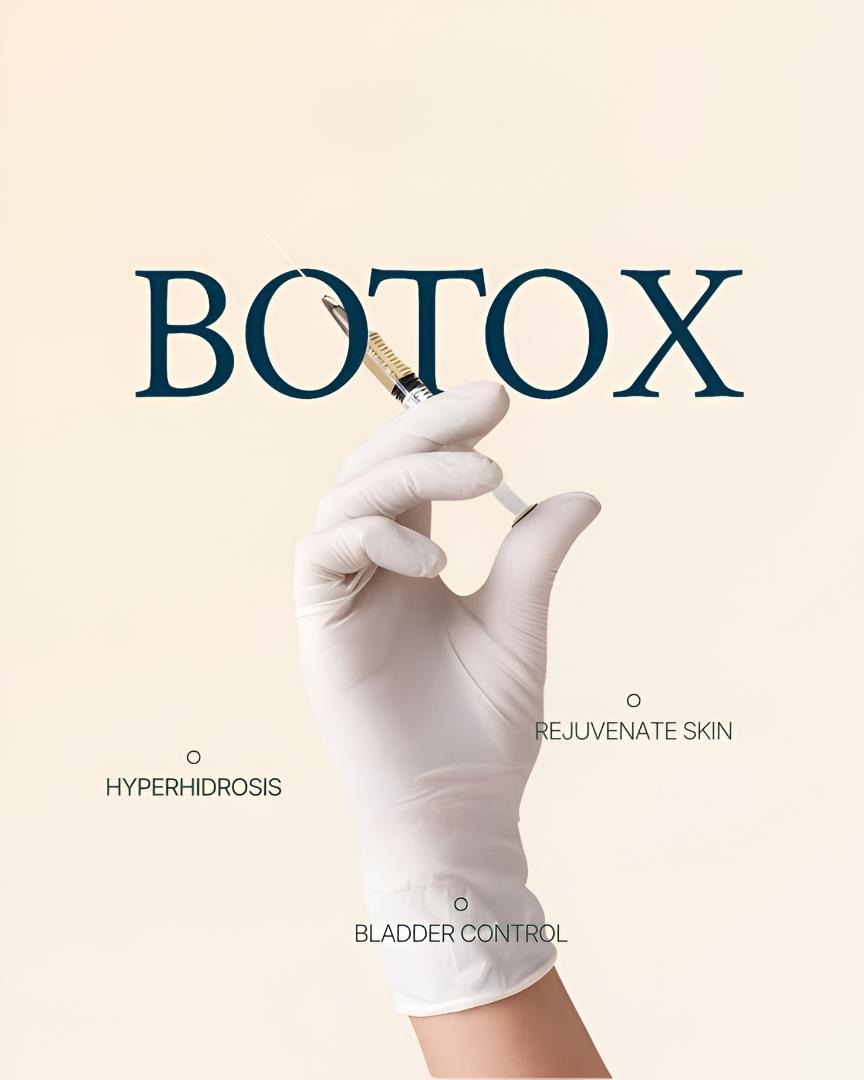
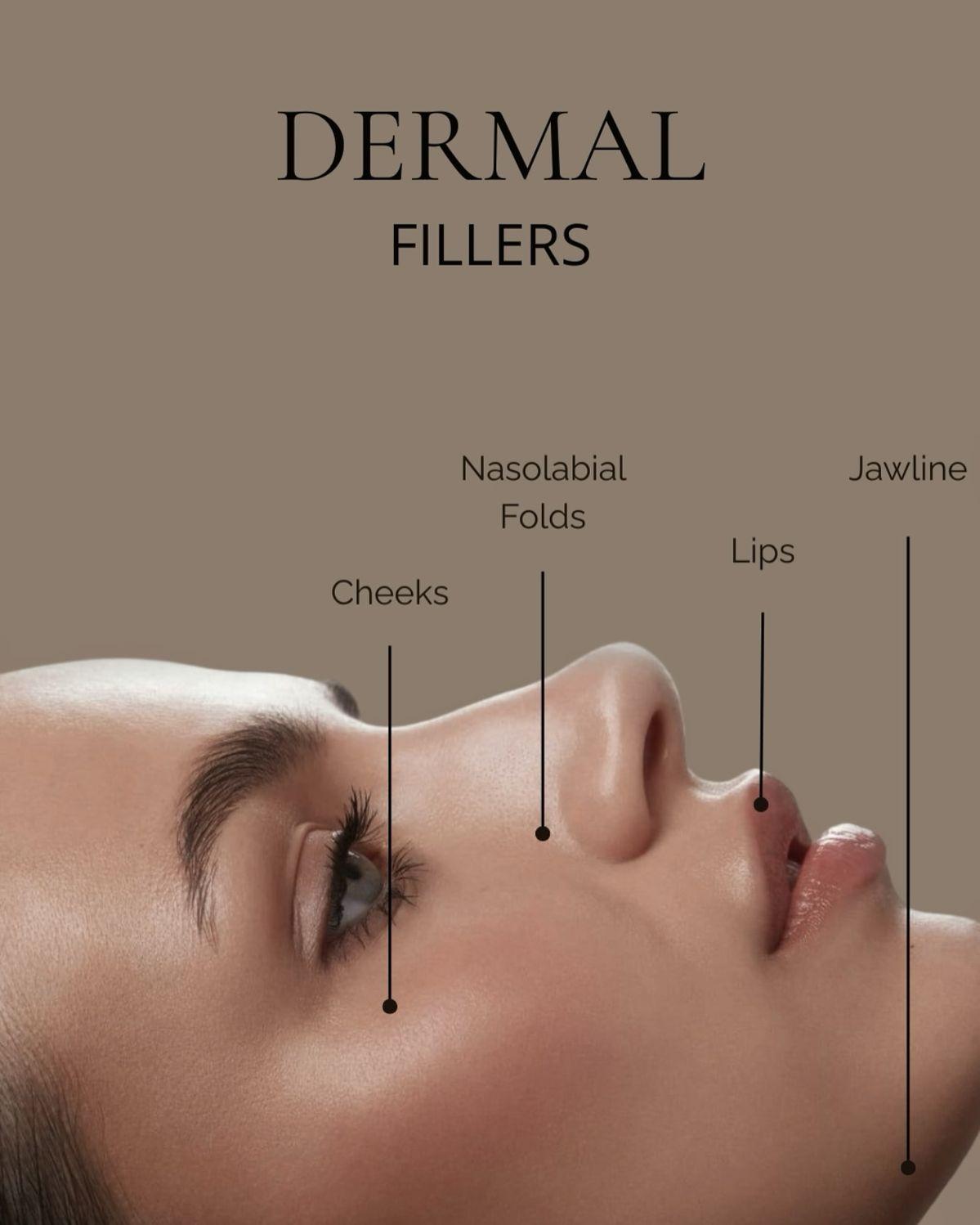
Botox in Islamabad offers an option for people interested in reducing the appearance of facial wrinkles without undergoing cosmetic surgery. As the skin changes with age and repeated facial movements, lines may become more noticeable across the forehead, between the eyebrows, and around the eyes. Botox can temporarily relax selected facial muscles, helping soften these lines while maintaining a refreshed appearance when treatment is carefully planned.
Before choosing this procedure, it is useful to understand how Botox works, which concerns it may address, and what to consider when selecting a qualified provider.
Why Expression Lines Develop Over Time
Facial expressions are an essential part of everyday communication. Smiling, frowning, concentrating, and raising the eyebrows all involve repeated muscle contractions. Over time, these movements can contribute to lines that initially appear only during expressions but may eventually remain visible when the face is at rest.
Other factors also influence the appearance of wrinkles. Natural aging, reduced skin elasticity, ultraviolet radiation, genetics, and environmental exposure can contribute to changes in skin texture. These factors affect individuals differently, which is why facial aging does not follow the same pattern for everyone.
Understanding the cause of a wrinkle is important because different concerns may require different treatments. Botox primarily addresses lines associated with muscle movement rather than directly improving pigmentation, deep scarring, or significant skin laxity.
How Botox Helps Soften Facial Wrinkles
Botox is a formulation of botulinum toxin type A used in controlled amounts for certain medical and cosmetic purposes. It works by temporarily interfering with nerve signals that activate targeted muscles. As muscle contractions decrease, the appearance of selected dynamic wrinkles can become softer.
Common treatment areas include horizontal forehead lines, frown lines between the eyebrows, and fine lines near the outer corners of the eyes. The treatment plan depends on facial anatomy, muscle activity, the degree of wrinkling, and the individual's preferred outcome.
Botox does not freeze the entire face when used appropriately. A skilled practitioner aims to target specific muscles while considering the surrounding anatomy and the role of natural facial movement. Nevertheless, the degree of movement retained depends on the injection pattern and dose, so expectations should be discussed before treatment.
Who May Consider Botox Treatment?
Adults who are concerned about movement-related facial lines may consider a consultation to determine whether Botox is suitable. Some people seek treatment when expression lines first become noticeable, while others explore it when wrinkles become more pronounced.
There is no single ideal age for cosmetic Botox. Suitability depends on individual concerns, medical history, treatment goals, and a qualified professional's assessment rather than age alone.
People hoping to improve uneven skin texture, sunspots, acne scars, or loose skin may need a different approach. Botox may sometimes form part of a broader aesthetic plan, but combining procedures should be based on clinical advice and a clear understanding of their respective benefits and risks.
What to Expect During a Consultation
A consultation gives the practitioner an opportunity to assess facial movement and discuss the changes the patient would like to achieve. The conversation should include medical conditions, allergies, medications, supplements, previous injections, and any history of complications from cosmetic treatments.
The practitioner should explain which areas may respond to Botox, what level of improvement is realistic, and what limitations apply. Patients should also be able to ask about the product being used, practitioner qualifications, expected costs, and follow-up arrangements.
A personalized treatment plan is particularly important for the forehead and eyebrow area, where small differences in muscle activity and injection placement can affect facial expression. The goal should be a considered result rather than simply administering a predetermined number of units.
Understanding the Treatment Process
Botox treatment generally involves cleaning the skin and injecting small amounts of the product into selected muscles with a fine needle. The procedure is usually completed during a relatively short appointment, depending on the number of areas being treated.
Most people can return to normal daily activities soon afterward. Temporary redness, mild swelling, tenderness, or bruising may occur at the injection sites. Following the practitioner's aftercare guidance is important, including instructions about rubbing the area or resuming particular activities.
Patients should avoid arranging treatment without allowing time for the effects to develop before an important event. The initial appearance immediately after an appointment does not represent the final result, and bruising or other temporary effects may occasionally occur.
When Do Results Appear and How Long Do They Last?
The effects of Botox usually develop gradually. Some improvement may become noticeable within several days, with the result commonly assessed after approximately 10 to 14 days. Individual responses can vary according to the treated muscles, product, dose, and personal characteristics.
Cosmetic results typically last around three to four months, although the duration is not identical for everyone. As the effect diminishes, muscle activity gradually returns and the treated lines may become more apparent.
A follow-up appointment can help assess whether the outcome meets expectations and whether any further treatment is appropriate. Injections should not be repeated more frequently than advised by the treating professional.
Possible Risks and Important Precautions
Botox is a medical procedure, and careful administration is essential. Common side effects include localized discomfort, redness, swelling, bruising, and headache. Temporary eyelid or eyebrow drooping can occur in some cases.
Rarely, more serious symptoms such as difficulty swallowing, speaking, or breathing may develop. These symptoms require immediate medical attention. Any unexpected or persistent reaction should be discussed with a healthcare professional.
People with certain neuromuscular conditions, relevant allergies, or other medical concerns may need to avoid treatment or receive additional assessment. Anyone who is pregnant or breastfeeding should discuss the situation with a healthcare professional; elective cosmetic Botox is generally deferred because safety information in these circumstances is limited.
Choosing a Provider for Botox in Islamabad
A provider should be selected on the basis of professional qualifications, experience, hygiene standards, and a commitment to patient safety. Ask whether the product is authentic, appropriately stored, and obtained from a reliable source. The person administering injections should be able to explain the procedure and discuss how potential complications would be managed.
Be cautious of offers that emphasize unusually low prices or promise flawless, permanent results. Botox is temporary, and outcomes depend on individual anatomy and treatment technique. Transparent communication and a thorough consultation are more useful than relying on advertising claims alone.
Maintain a Balanced Approach to Facial Care
Botox may help soften selected expression lines, but long-term skin care remains important. Regular use of broad-spectrum sunscreen, gentle cleansing, and appropriate moisturization can help protect the skin and maintain its condition. Healthy lifestyle habits may also support overall well-being.
The most suitable aesthetic plan is one that reflects personal preferences, medical considerations, and realistic expectations. Botox can be useful for specific concerns, but it is not necessary for everyone and should always be an informed choice.
For further information about aesthetic procedures and available services, visit Enfield Royal Clinic.

