

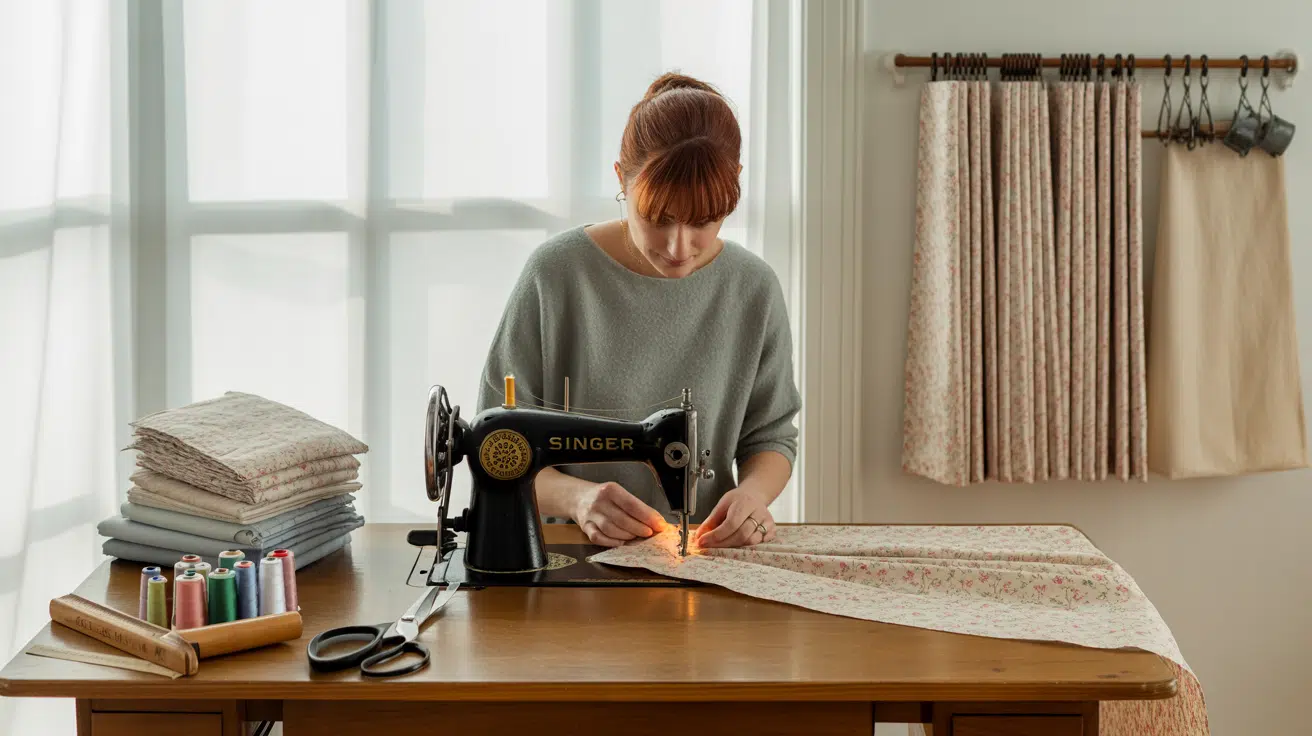

Curtains do much more than cover windows. They influence how a room feels, control incoming sunlight, provide privacy, and bring different elements of your interior design together. However, finding ready-made curtains that fit your windows perfectly can be surprisingly difficult. Standard sizes may leave awkward gaps, drag across the floor, or fail to complement your furniture and décor. That's where professional Curtain Sewing Services in North Richland Hills, TX can make a difference. With the right fabric, measurements, and finishing details, you can create window treatments that suit your home and personal style. This guide explains how custom curtains work, what to consider before ordering, and how carefully sewn window coverings can improve the comfort, appearance, and functionality of your living space.
1. Why Custom-Made Curtains Are Worth Considering?
Ready-made curtains are convenient, but they don't always provide the fit or appearance you want. Windows come in different shapes and sizes, and even standard windows can require specific curtain lengths or widths to achieve a balanced look.
Custom-sewn curtains give homeowners more control over the final result. Instead of adjusting your decorating plans around a store-bought product, you can choose window treatments that complement your room.
Here are several advantages to consider:
-
A better fit: Curtains can be made to suit the exact dimensions of your windows, including unusually wide or tall openings.
-
More fabric choices: You can select materials based on color, texture, thickness, and how much light you want to filter.
-
Personalized styling: Pleats, hems, heading styles, and decorative details can be selected to match your interior.
-
Improved functionality: The right design can help provide privacy, soften daylight, and create a more comfortable atmosphere.
For example, a living room with tall windows may look more polished with floor-length curtains, while a smaller bedroom might benefit from simple panels that keep the space feeling open.
Professional sewing also helps create a consistent appearance when several windows need matching treatments. The result is a more coordinated room without the compromises that sometimes come with standard products.
2. Choosing the Right Fabric for Every Room
Fabric selection is one of the most important decisions when planning custom curtains. A material that looks beautiful in a showroom might not work as well in a sunny living room or a frequently used family space.
Before choosing a fabric, think about the room's purpose, the amount of natural light it receives, and how often the curtains will be opened or cleaned.
Living rooms and shared spaces
Living rooms often benefit from fabrics that balance appearance and everyday practicality. Cotton and linen blends can create a relaxed look, while heavier decorative materials may add a more formal finish.
If your windows receive strong sunlight, consider fabrics and colors that work well with the room's light exposure. Lined curtains may also help protect the interior from excessive brightness.
Bedrooms and private spaces
Bedrooms usually require greater control over light and privacy. Heavier fabrics or blackout linings can help reduce incoming light, particularly when combined with a suitable curtain design.
However, blackout performance depends on the lining, the curtain construction, and gaps around the window. Choosing the right combination helps you get closer to the result you want.
Kitchens and dining areas
For kitchens and dining rooms, practical materials are often the better choice. Lightweight fabrics can keep the room bright, while washable options may be easier to maintain.
When exploring Custom Curtain Sewing in North Richland Hills, TX, consider how each fabric will perform after months of regular use. A beautiful curtain should also suit your household's cleaning routine and daily habits.
3. Accurate Measurements Make All the Difference
Even high-quality fabric can look disappointing if the finished curtains don't fit correctly. Accurate measurements are essential because they determine how the panels hang, how much coverage they provide, and whether the finished window treatment looks balanced.
Before arranging your project, measure the window carefully and consider where the curtain rod or track will sit.
What should you measure?
Use these practical guidelines as a starting point:
-
Measure the width: Measure the window or the full area you want the curtains to cover. Include any additional width needed for overlap and fullness.
-
Determine the height: Measure from the planned rod or track position to the desired curtain length.
-
Choose your preferred finish: Decide whether the curtains should end at the windowsill, below the sill, just above the floor, or touch the floor.
-
Account for hardware: Curtain rings, hooks, tracks, and heading styles can affect the final hanging length.
-
Check every window separately: Windows that appear identical may have slightly different measurements.
Curtain fullness deserves attention, too. A panel made from fabric equal to the window's width may look flat when closed. Additional fabric creates folds and a fuller appearance, although the ideal amount depends on the material and heading style.
If you're unsure how to measure an unusual window, ask a sewing professional what measurements are needed before purchasing fabric. Getting this information early can help prevent unnecessary alterations and wasted material.
4. Selecting Curtain Styles That Complement Your Décor
Curtains should work with the rest of your room rather than compete with it. The right style can connect your wall color, furniture, flooring, and decorative accessories.
Start by looking at the room as a whole. If your furniture features bold patterns, solid-colored curtains may create a calmer appearance. In a neutral room, textured fabric or a subtle pattern can introduce visual interest.
Common curtain styles include:
-
Pleated curtains: A structured option that works well in traditional and formal interiors.
-
Rod-pocket curtains: A simple design that creates a gathered appearance on compatible curtain rods.
-
Tab-top curtains: A casual style suited to relaxed spaces and selected decorative themes.
-
Grommet curtains: Panels with metal-ring openings that slide over compatible rods.
-
Simple tailored panels: A versatile choice for modern, minimalist, or transitional rooms.
Length also influences the overall effect. Floor-length panels can make a room feel taller, while shorter curtains may be practical for certain windows, furniture arrangements, or specific functional needs.
Think about how often you'll open and close the curtains. A design that looks attractive but is difficult to operate may become frustrating over time. Good planning balances appearance with convenience.
5. What to Expect From a Professional Sewing Project?
A successful curtain project usually begins with a conversation about your windows, preferred style, fabric, and budget. Sharing photographs of the room can help communicate the look you're trying to achieve.
The next step is confirming measurements and discussing construction details. These may include lining, hems, pleats, heading styles, and the amount of fullness required.
Once the design is settled, the fabric can be prepared, cut, and sewn. Careful finishing helps the panels hang evenly and gives the edges a neat appearance. Depending on the project, the process may also involve checking the finished length before the curtains are installed.
When comparing providers, ask a few practical questions:
-
What measurements or fabric information should I provide?
-
Are lining and heading options available?
-
Can the design accommodate unusually sized windows?
-
How should the finished curtains be cleaned and maintained?
-
What is the expected turnaround time for my project?
Clear communication helps everyone understand the intended result. It also gives you an opportunity to discuss any special requirements before the sewing begins.
Homeowners looking for tailored window treatments can contact Universal sewing at 8500 N Harwood Rd #5313, North Richland Hills, TX 76180, to discuss their curtain sewing needs and explore suitable options for their space.
Conclusion
Custom curtains can improve a room's appearance, provide useful privacy, and help control incoming light. The best results come from combining suitable fabric with accurate measurements, thoughtful styling, and careful sewing. Before starting your project, consider the purpose of each room, the amount of light you want to manage, and the maintenance your chosen material will require.
Professional Curtain Sewing Services in North Richland Hills, TX can help you plan window treatments around your home's specific dimensions and decorative preferences. Rather than settling for panels that almost fit, you can explore options designed to suit your space and everyday needs. Take time to compare fabrics, confirm measurements, and discuss finishing details with your sewing provider. When you're ready to update your windows, contact Universal sewing to discuss your ideas and take the next step toward curtains made for your home.
