

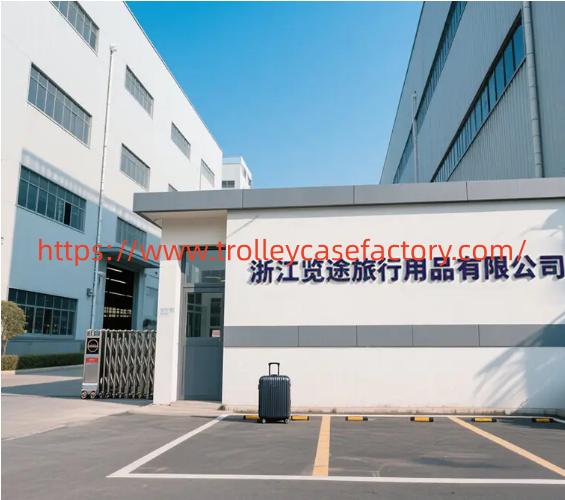

Trolley Luggage Factory selection requires buyers to review manufacturing processes, product specifications, and order coordination, while trolleycasefactory provides a starting point for businesses researching travel case options for wholesale, retail, and private-label projects. Before requesting a quotation, purchasing teams should establish their product requirements and prepare clear questions about the supplier’s capabilities. A structured assessment helps buyers compare proposals according to practical business needs rather than relying on catalog images or unit prices alone.
Define Your Product Requirements Before Requesting a Quote
Start by identifying the products your business intends to sell. Consider suitcase dimensions, intended users, target retail price, shell or fabric preferences, interior layout, color range, and expected order quantity. These details help manufacturers understand the project and prepare a more relevant proposal.
Buyers should also clarify whether they need existing models with customized branding or products developed around a new design. These two approaches may involve different sample arrangements, development costs, and production schedules. Sharing reference images, drawings, measurements, or a product specification sheet can reduce misunderstandings during early discussions.
Compare Materials and Structural Components
The materials used in travel cases influence weight, appearance, cost, and everyday handling. Hard-shell options may include ABS, polycarbonate, polypropylene, or blended materials, while soft-sided designs may use polyester or other fabrics. Each option has different characteristics, so buyers should compare materials against their intended market and budget.
Components deserve equal attention. Wheels should move smoothly, telescopic handles should extend and retract consistently, and zippers, locks, seams, and corner areas should be checked during sample evaluation. Ask the manufacturer to identify component specifications and explain whether the proposed construction matches the intended use.
Instead of comparing samples by appearance alone, buyers can prepare a checklist covering dimensions, weight, finishing, internal storage, handle movement, wheel rotation, and closure operation. This creates a practical reference for evaluating different quotations.
Review Sample Approval and Quality Inspection
A sample provides an opportunity to check whether the proposed product matches the written specifications. Before approving it, examine the exterior finish, stitching, lining, hardware installation, logo placement, and packaging. If a detail needs adjustment, record the change clearly and request an updated sample when necessary.
Buyers should also ask how inspections are handled during production. Useful questions include whether incoming materials are checked, whether assembly stages receive routine inspections, and whether finished products undergo a final review before packing. For orders with specific requirements, discuss measurable acceptance criteria in advance.
Written approval records can help both parties maintain consistency between the approved sample and the production batch. They are particularly useful when a business plans to reorder the same model or introduce additional colors.
Clarify Customization Options and Minimum Quantities
Customization may cover color matching, logo application, lining, interior pockets, labels, accessories, and packaging. However, available options can depend on the design, material, production method, and order quantity. Buyers should confirm which changes are supported and whether any request requires extra development time or tooling costs.
Minimum order quantities should be reviewed alongside the customization plan. A lower quantity may suit a market test, while a larger order may be more practical for an established retail program. Ask whether quantities can vary by size or color and how these choices affect the quoted price.
For businesses developing a new collection, it is useful to agree on artwork formats, logo dimensions, packaging instructions, and sample approval responsibilities before mass production begins. Clear specifications reduce the likelihood of avoidable revisions.
Evaluate Production Scheduling and Delivery Planning
An attractive quotation is only useful if the order can be completed within the required timeframe. Ask for an estimated schedule covering sample preparation, material sourcing, production, inspection, packing, and shipment readiness. Confirm which milestones depend on buyer approval and how changes may affect the planned date.
Purchasing teams should also discuss how the manufacturer manages component availability and unexpected production issues. If an order supports a seasonal launch or a fixed retail promotion, allow time for transport, customs procedures, and warehouse receiving.
Communication arrangements matter throughout this process. Agree on the contact person, the frequency of progress updates, and the documents required before shipment. These details help both sides respond to changes without losing track of key requirements.
Compare the Full Cost and Future Cooperation Potential
Unit price is only one part of the purchasing decision. Buyers should check whether quotations include customized logos, special packaging, sample charges, tooling, inspection arrangements, and other project-specific expenses. Shipping and import costs should also be considered when calculating the expected landed cost.
For repeat orders, ask how product specifications and approved materials will be recorded, whether the same design can be reproduced, and how future adjustments will be handled. A clear record of the original order makes it easier to manage replenishment and plan product updates.Businesses evaluating travel case options can discuss these practical requirements with trolleycasefactory before deciding which products fit their sales plans. Reviewing the available models at https://www.trolleycasefactory.com/product/ can help buyers identify relevant designs and prepare more focused questions about specifications, customization, order quantities, and production arrangements.
