

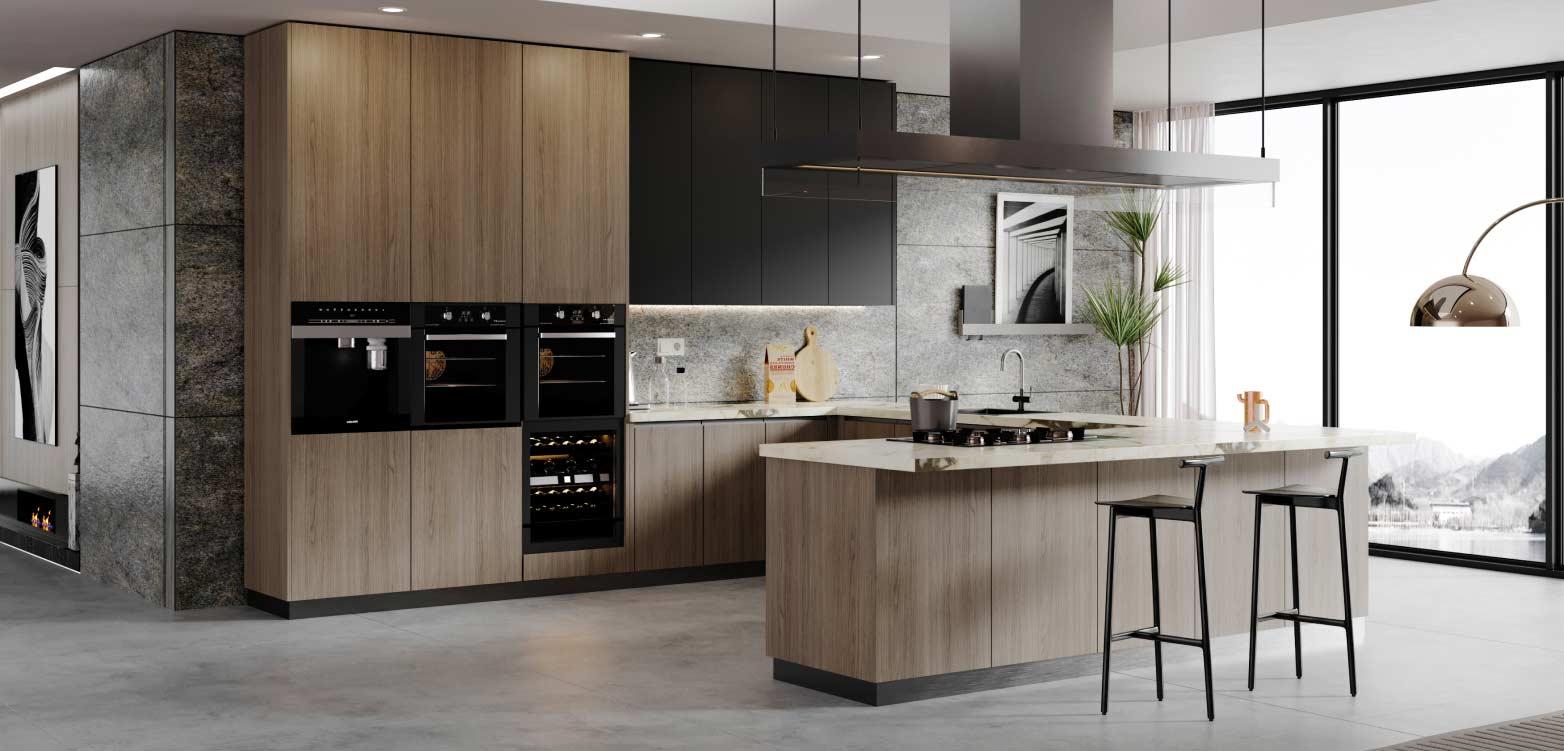
Kitchen Design Companies in Dubai: Modern Ideas for Stylish Kitchen Cabinets

Introduction: Creating a Stylish Kitchen with Modern Cabinets
The kitchen is one of the most important spaces in any home, combining everyday functionality with comfort and visual appeal. A well-designed kitchen makes cooking easier, improves organization, and creates an inviting environment for family gatherings. Today, homeowners are looking for cabinet designs that offer a balance of elegance, durability, and practical storage. Kitchen Design Companies in Dubai help homeowners explore contemporary cabinet styles, innovative layouts, and customized solutions that complement different interior themes.
Dubai homes feature a wide range of kitchen styles, from compact apartment kitchens to spacious open-plan layouts in luxury villas. Each space has different requirements for storage, lighting, materials, and cabinet placement. Selecting the right cabinet design can improve the appearance of the kitchen while making daily tasks more convenient. With careful planning, homeowners can create a kitchen that reflects their personal taste and makes efficient use of the available space.
Choosing suitable cabinets involves more than selecting attractive colors or fashionable finishes. Homeowners must consider durability, moisture resistance, cleaning requirements, hardware quality, and the overall layout. Kitchen Design Companies in Dubai can help coordinate these details to create a kitchen that suits the household's needs. By combining thoughtful design with practical materials, it becomes easier to develop a stylish and functional kitchen that remains appealing over time.
Why Kitchen Cabinets Matter in Modern Homes
Kitchen cabinets influence the appearance, storage capacity, and overall efficiency of a kitchen. They provide dedicated spaces for cookware, utensils, groceries, appliances, and cleaning supplies. A well-planned cabinet arrangement also helps maintain clear countertops and reduces clutter.
In modern homes, cabinets are often treated as a central design feature rather than simply a storage component. Their colors, textures, shapes, and finishes contribute significantly to the interior style. For example, smooth handleless cabinets create a minimalist appearance, while framed cabinets can provide a more traditional and decorative look.
Cabinet design should also reflect the way a household uses its kitchen. Families that cook regularly may need deep drawers for pots and pans, while homeowners who entertain guests may prefer attractive display cabinets and concealed appliance storage. Selecting the right combination of features can improve both everyday convenience and visual consistency.
Modern Kitchen Cabinet Ideas from Kitchen Design Companies in Dubai
1. Handleless Cabinets for a Minimalist Appearance
Handleless cabinets are a popular option for contemporary kitchens because they create clean, uninterrupted surfaces. Instead of conventional handles, these cabinets may use integrated grooves, push-to-open mechanisms, or recessed profiles.
This style works particularly well in modern apartments and open-plan homes where a simple appearance helps the kitchen blend with nearby living spaces. Handleless cabinets are available in matte, glossy, and textured finishes, allowing homeowners to create different visual effects.
When choosing this design, it is important to consider ease of use and maintenance. Fingerprints may be more visible on certain glossy surfaces, while textured matte finishes can offer a more understated appearance. Quality fittings and carefully aligned cabinet doors also contribute to a refined result.
2. Two-Tone Kitchen Cabinets for Visual Contrast
Two-tone cabinets combine two complementary colors or finishes within the same kitchen. For example, homeowners might choose light upper cabinets and darker lower cabinets to create a balanced appearance. Another option is to use natural wood finishes alongside white, beige, or charcoal cabinetry.
This design approach adds depth without requiring complicated decorative elements. Lighter upper cabinets can help a small kitchen feel more open, while darker lower cabinets introduce contrast and visual grounding.
The key is to select colors that complement the flooring, countertop, backsplash, and wall finishes. Limiting the palette to two main cabinet finishes often produces a more cohesive result than combining too many contrasting shades.
3. Natural Wood Cabinets for Warmth and Character
Natural wood and wood-look cabinets bring warmth into contemporary interiors. Their grain patterns and earthy tones can soften the appearance of kitchens that otherwise feature stone, glass, or metal surfaces.
Light oak-inspired finishes work well with Scandinavian and minimalist interiors, while walnut tones can create a richer and more sophisticated atmosphere. Wood-look laminates and other engineered finishes can also provide a similar appearance with different maintenance requirements.
For kitchens in Dubai, it is important to select products suitable for the environment and the expected level of use. Proper ventilation, suitable installation, and attention to moisture exposure can help maintain cabinet condition over time.
4. Glossy Cabinets for a Bright, Contemporary Kitchen
Glossy cabinets reflect light and can make a kitchen appear brighter. They are particularly useful in spaces with limited natural light, although the final effect depends on the cabinet color, room dimensions, and lighting arrangement.
White, cream, and pale gray glossy cabinets create a clean appearance. Dark glossy cabinets can provide a dramatic effect, especially when combined with well-planned task lighting and contrasting countertops.
However, glossy finishes may show fingerprints, smudges, and scratches more clearly than some matte surfaces. Homeowners should compare samples under their actual kitchen lighting before making a decision.
5. Matte Cabinets for Understated Elegance
Matte cabinets offer a soft, contemporary appearance without the strong reflections associated with glossy finishes. Popular shades include warm white, taupe, sand, olive, charcoal, and muted blue.
These finishes work well in kitchens designed around natural textures and subtle color combinations. Matte cabinets can also complement stone countertops, brushed-metal hardware, and wood accents.
Maintenance depends on the specific surface material. Some matte finishes are easy to clean, while others require suitable cleaning products to avoid marks or discoloration. Reviewing the manufacturer's care instructions helps homeowners select an appropriate option.
Choosing the Right Cabinet Materials for Dubai Kitchens
1. MDF Cabinets for Versatile Designs
Medium-density fibreboard, commonly known as MDF, is used in many cabinet designs because it provides a smooth surface for paint, laminates, and other finishes. It can support a wide range of colors and door styles, making it suitable for contemporary and decorative kitchens.
The quality of the board, edge sealing, finish, and installation all affect performance. Standard MDF can be vulnerable to prolonged moisture exposure, so it should be specified and installed appropriately for kitchen conditions.
Homeowners should ask about board specifications, protective finishes, and warranty coverage before selecting MDF cabinetry.
2. Plywood Cabinets for Structural Strength
Plywood is made from layers of wood veneer bonded together. Depending on its grade and construction, it can provide good structural strength and support for cabinet boxes and shelves.
Its performance varies according to material quality, adhesive type, edge protection, and exposure to moisture. Plywood is not automatically waterproof, so suitable finishes and careful installation remain important.
When comparing cabinetry options, homeowners should consider the entire cabinet construction rather than judging quality by the material name alone.
3. Laminate Finishes for Practical Everyday Use
Laminate is a widely used cabinet finish available in many colors, textures, and patterns. It can imitate wood, stone, or solid colors, providing flexibility for different design budgets.
Many laminate surfaces are relatively easy to maintain and suitable for busy households. Their durability depends on the laminate grade, substrate, edge treatment, and installation quality.
Homeowners should inspect samples and ask how the surface responds to everyday cleaning, heat exposure, and accidental impacts.
4. Veneer Finishes for a Natural Look
Wood veneer consists of a thin layer of natural wood applied to a supporting material. It provides genuine wood grain and a distinctive appearance that can be difficult to reproduce exactly with printed finishes.
Veneer cabinets are often selected for premium interiors where natural texture is a key design feature. They require suitable protection and care, particularly around areas exposed to moisture or frequent contact.
A consistent veneer selection and professional installation help maintain a coordinated appearance across cabinet doors and panels.
Smart Storage Ideas for Stylish Kitchen Cabinets
1. Install Deep Drawers for Pots and Pans
Deep drawers can make heavy cookware easier to access than cabinets with fixed shelves. Instead of reaching into the back of a cupboard, users can pull out a drawer and see its contents more clearly.
Drawer dividers help organize lids, pans, and cooking tools. Soft-close mechanisms can improve convenience and reduce the noise associated with closing drawers.
Before installation, consider the weight of the stored items and select suitable drawer runners and hardware.
2. Use Tall Cabinets to Maximize Vertical Space
Tall cabinets make effective use of wall height and provide additional storage for pantry goods, small appliances, and household supplies. They are particularly useful when floor space is limited.
Frequently used items should remain at comfortable heights, while less frequently needed objects can be stored on higher shelves. In households with children, suitable storage arrangements can also help keep certain products out of reach.
A combination of tall cabinets, drawers, and open shelves can provide flexibility without overcrowding the kitchen.
3. Add Pull-Out Pantry Systems
Pull-out pantry units allow homeowners to store groceries in narrow spaces while maintaining easy access. Depending on the design, these systems can include adjustable shelves, baskets, or full-height pull-out frames.
They are useful for organizing packaged foods, spices, and cooking ingredients. Transparent containers and simple labels can make the pantry even easier to manage.
The system should be selected according to cabinet dimensions, expected storage weight, and the type of items being stored.
4. Include Corner Cabinet Solutions
Corner cabinets can be difficult to organize because their depth makes some items hard to reach. Rotating shelves, pull-out corner mechanisms, and specialized drawer systems can improve access.
The best solution depends on the kitchen layout and the available space. Some mechanisms provide excellent access but require more room or a higher budget than standard shelving.
Planning corner storage early in the design process helps avoid unused areas and makes the kitchen more practical.
5. Conceal Small Appliances
Appliance garages and dedicated cabinet compartments help keep countertops clear. Coffee machines, toasters, blenders, and other frequently used appliances can be stored in designated areas when not in use.
Designers should consider ventilation, electrical connections, door clearance, and safe operating requirements before enclosing appliances. Appliances that generate significant heat or steam must be installed according to manufacturer guidance.
Well-planned appliance storage helps create a tidy appearance without making everyday equipment difficult to access.
Cabinet Colors and Finishes for Contemporary Dubai Interiors
1. White and Cream Cabinets
White and cream remain versatile choices because they work with many interior styles. They can create a fresh, open appearance and coordinate with stone, wood, and metal accents.
Warm white often pairs well with beige flooring and natural textures, while cooler white can complement gray countertops and modern lighting.
To prevent the kitchen from feeling too plain, homeowners can introduce contrast through cabinet handles, backsplashes, pendant lights, or textured surfaces.
2. Beige and Earthy Neutral Cabinets
Beige, taupe, sand, and warm gray offer a calm alternative to bright white. These colors suit contemporary homes that emphasize natural materials and understated elegance.
Earthy cabinet shades can be paired with wood-effect flooring, stone countertops, and subtle metallic details. They also provide flexibility when homeowners want to update accessories without changing the main cabinetry.
3. Dark Cabinets for a Sophisticated Look
Navy, charcoal, deep green, and dark brown cabinets can add depth and character. These shades work particularly well in larger kitchens or spaces with carefully planned lighting.
In smaller kitchens, dark cabinetry can still be effective when balanced with lighter countertops, reflective surfaces, and sufficient task lighting. The goal is to create contrast without making the space feel visually heavy.
4. Textured Finishes for Added Interest
Textured cabinet finishes introduce detail without relying on elaborate decoration. Options may include wood grain, subtle linear patterns, tactile laminates, or ribbed panels.
Textured finishes can become a focal point when used selectively, such as on an island or a tall cabinet wall. Combining too many patterns may make the kitchen appear crowded, so a restrained approach usually creates a more balanced result.
How Kitchen Design Companies in Dubai Plan Functional Layouts
Cabinet appearance is important, but layout determines how effectively the kitchen works. A well-planned arrangement provides clear movement between preparation, cooking, washing, and storage areas.
1. The L-Shaped Kitchen Layout
An L-shaped layout uses two adjoining walls and leaves the central area relatively open. It can work well in apartments and medium-sized homes where flexibility is important.
Cabinets can be arranged along both walls, with corner storage designed to improve access. Depending on room dimensions, the layout may also allow space for a small dining table or movable island.
2. The U-Shaped Kitchen Layout
A U-shaped kitchen uses three sides for cabinets, appliances, and work surfaces. It can provide generous storage and preparation space, making it suitable for households that cook frequently.
However, designers must ensure that the central area remains comfortable to move through. Cabinet doors, drawers, and appliances should be positioned so they do not interfere with one another during use.
3. The Galley Kitchen Layout
A galley kitchen places work areas along two parallel sides. This arrangement can be efficient in narrow spaces because essential appliances and storage remain close together.
To avoid a cramped feeling, homeowners can choose light cabinet finishes, effective task lighting, and uncluttered countertops. Adequate clearance between opposing cabinets is important for safe and comfortable movement.
4. Kitchen Islands with Additional Storage
A kitchen island can provide extra workspace, storage, and seating where sufficient floor area is available. Cabinets and drawers beneath the island can accommodate cookware, serving items, or small appliances.
The island should not obstruct access to the refrigerator, oven, sink, or main walkways. Electrical outlets, lighting, and plumbing requirements should also be considered during the planning stage.
Lighting Ideas That Enhance Kitchen Cabinets
1. Under-Cabinet Lighting
Under-cabinet lighting illuminates countertops and helps reduce shadows during food preparation. LED strips or suitable task lights can provide consistent illumination without occupying valuable workspace.
The color temperature should complement the cabinet finish and overall interior palette. Homeowners should also consider glare, light distribution, and ease of maintenance.
2. Interior Cabinet Lighting
Interior lighting can make display cabinets more attractive and help users locate items. Glass-front cabinets with integrated lighting are particularly effective for displaying glassware, decorative pieces, or carefully arranged dinnerware.
Lighting should be positioned to minimize glare and avoid unnecessary heat buildup. Electrical components must be appropriate for the installation and maintained safely.
3. Pendant Lighting for Kitchen Islands
Pendant lights can provide task illumination while adding decorative interest. Their shape, size, and finish should coordinate with the cabinetry and other kitchen fixtures.
The number and placement of pendants depend on island dimensions and ceiling height. A balanced arrangement can make the island a visual focal point while maintaining comfortable lighting for everyday activities.
Budgeting for Modern Kitchen Cabinets in Dubai
Kitchen cabinet costs vary according to kitchen dimensions, materials, finishes, hardware, storage mechanisms, and installation requirements. Custom cabinetry may cost more initially than standard units, but it can provide a more precise fit and better use of unusual spaces.
Homeowners should request detailed quotations that distinguish cabinet construction, door finishes, hardware, countertops, installation, and any additional electrical or plumbing work. Comparing quotations on the basis of specifications makes it easier to identify differences in quality and scope.
It is also sensible to set aside a contingency for unexpected requirements. Existing walls may need repairs, electrical points may need adjustment, or plumbing connections may require changes. Planning for these possibilities can reduce stress during renovation.
Rather than choosing the least expensive option automatically, homeowners should consider durability, maintenance, storage capacity, and warranty terms. Investing in reliable hinges, drawer runners, and suitable cabinet materials can improve long-term satisfaction.
How to Choose Kitchen Design Companies in Dubai
1. Review Previous Kitchen Projects
A company's portfolio can help homeowners understand its design style, attention to detail, and experience with different kitchen layouts. Look for projects that resemble your available space and preferred aesthetic.
Photographs can provide useful inspiration, but it is also important to understand which materials and features were used in each project.
2. Discuss Your Storage Requirements
Before finalizing a design, explain how you use the kitchen and what you need to store. Consider cookware, pantry supplies, appliances, serving dishes, recycling, and cleaning products.
A designer who understands these practical requirements can create cabinets that support daily routines instead of focusing only on appearance.
3. Check Material and Hardware Specifications
Ask for clear details about cabinet boards, finishes, hinges, drawer runners, handles, and protective edge treatments. Samples can help you compare colors and textures under realistic lighting.
Understanding the specifications also makes it easier to compare quotations fairly and avoid confusion about what is included.
4. Confirm Installation and Warranty Details
Professional installation plays an important role in the alignment, stability, and appearance of cabinets. Before signing an agreement, review the project schedule, payment terms, installation responsibilities, and warranty coverage.
Written documentation can clarify how defects, adjustments, and after-installation concerns will be handled.
5. Prioritize Communication and Design Support
A successful kitchen project requires coordination between design, manufacturing, and installation. Clear communication helps homeowners understand the choices available and make informed decisions before work begins.
Choose a provider that explains the advantages and limitations of different options rather than recommending products without considering your requirements.
Common Mistakes to Avoid When Designing Kitchen Cabinets
Ignoring Storage Needs
Cabinets can look attractive but remain impractical if they do not provide enough space for everyday items. List your storage requirements before finalizing the layout.
Selecting Materials Only by Appearance
A beautiful finish may not suit every household or level of use. Compare durability, moisture resistance, cleaning requirements, and repair options before making a decision.
Overlooking Cabinet Hardware
Hinges, drawer runners, and opening mechanisms affect how cabinets perform. Poor-quality hardware can reduce convenience and may require earlier replacement.
Using Too Many Colors and Finishes
Combining numerous cabinet colors, countertop patterns, and decorative surfaces can create a disjointed appearance. A coordinated palette generally produces a more balanced kitchen.
Forgetting Lighting and Ventilation
Cabinet design should work alongside the kitchen's lighting and ventilation systems. Poor illumination can make work surfaces difficult to use, while inadequate ventilation can contribute to lingering cooking odors and moisture.
Future Trends in Modern Kitchen Cabinet Design
Modern kitchen design continues to emphasize personalization, functionality, and materials that support everyday living. Handleless doors, integrated appliances, organized drawers, and concealed storage remain popular choices for streamlined interiors.
Natural-looking finishes are also important, with wood-inspired textures and warm neutral colors helping create comfortable spaces. Homeowners are increasingly combining these finishes with durable countertops and simple hardware to achieve a contemporary appearance that does not depend on short-lived decorative trends.
Another emerging preference is flexible storage. Adjustable shelving, modular drawer inserts, pull-out pantry units, and dedicated appliance compartments allow kitchens to adapt to changing household needs.
Sustainability is also worth considering. Homeowners can ask about responsibly sourced materials, durable products, low-emission finishes, and components that can be repaired or replaced individually. Choosing long-lasting cabinetry can reduce the need for frequent renovations.
The most successful designs combine attractive finishes with practical storage, appropriate lighting, and a layout suited to the household. Trends can provide inspiration, but everyday comfort and long-term usability should guide the final decisions.
Conclusion: Create a Beautiful and Functional Kitchen
Modern kitchen cabinets can transform an ordinary cooking area into an organized, attractive, and welcoming part of the home. From handleless designs and natural wood finishes to deep drawers and custom pantry systems, the right choices can improve storage while complementing the overall interior style.
Homeowners should consider material quality, cabinet colors, hardware, lighting, layout, and maintenance requirements before committing to a design. A carefully planned budget and clear installation agreement can also help ensure a smoother renovation experience.
Kitchen Design Companies in Dubai can support homeowners in exploring modern cabinet styles, evaluating materials, and developing practical layouts for apartments and villas. By focusing on personal requirements rather than appearance alone, homeowners can create a kitchen that balances elegance, efficiency, and durability for years to come.
Frequently Asked Questions
1. What Are the Most Popular Modern Kitchen Cabinet Designs in Dubai?
Popular options include handleless cabinets, matte finishes, two-tone combinations, natural wood-inspired surfaces, and minimalist cabinetry. The best design depends on the kitchen's size, lighting, budget, and overall interior style.
2. Which Cabinet Colors Are Suitable for Contemporary Kitchens?
White, cream, beige, taupe, gray, charcoal, and muted green are versatile choices. Lighter shades can help smaller kitchens feel more open, while darker colors create contrast and visual depth.
3. Which Materials Are Commonly Used for Kitchen Cabinets?
Common options include MDF, plywood, laminate finishes, and natural wood veneer. Their suitability depends on construction quality, moisture exposure, finish, budget, and maintenance requirements.
4. Are Handleless Kitchen Cabinets Practical?
Yes, handleless cabinets can provide a clean appearance and work well in contemporary kitchens. Homeowners should consider the opening mechanism, ease of cleaning, and hardware quality before selecting them.
5. How Can I Maximize Storage in a Small Kitchen?
Use tall cabinets, deep drawers, pull-out pantry units, corner storage systems, and dedicated appliance compartments. Organizing items according to how frequently they are used can also improve accessibility.
6. Are Matte or Glossy Cabinets Better?
Both can work well. Matte finishes offer a subtle appearance, while glossy surfaces reflect light and may help brighten a room. The best choice depends on personal preference, lighting, cleaning needs, and the specific material.
7. How Much Do Modern Kitchen Cabinets Cost in Dubai?
Costs vary according to kitchen size, materials, finishes, hardware, customization, and installation. Request itemized quotations from several providers to compare specifications and understand what each price includes.
8. How Do I Choose Reliable Kitchen Design Companies in Dubai?
Review portfolios, compare material specifications, discuss storage requirements, check installation experience, and confirm warranty terms. Clear communication and detailed written quotations are also important.
9. How Can I Maintain Kitchen Cabinets?
Clean cabinets using products suitable for their finishes, wipe spills promptly, and avoid excessive moisture. Follow manufacturer instructions and check hinges, drawer runners, and other hardware periodically.
10. Can Modern Kitchen Cabinets Increase the Functionality of a Kitchen?
Yes. Well-designed cabinets can improve organization, create more accessible storage, reduce countertop clutter, and make cooking routines more convenient. Their effectiveness depends on the layout and the household's specific needs.
