

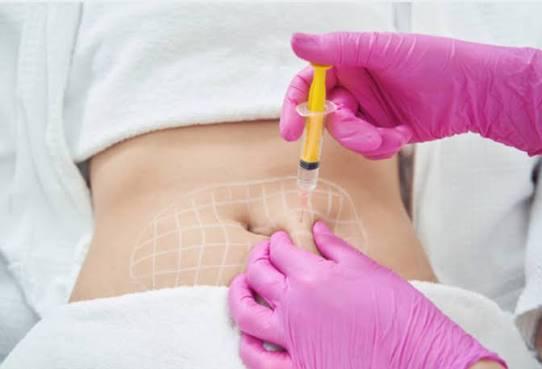
Understanding when lipolysis injections start showing results can help people set realistic expectations before choosing a non-surgical fat-reduction treatment. For those researching lipolysis injections in Dubai, Dynamic Clinic in Dubai provides an advertorial point of reference for learning about this approach to reducing small, localised fat deposits. The timeline depends on the treatment formulation, the area being treated, individual body responses, and the number of sessions recommended by a qualified healthcare professional.
How Soon Can You Notice Changes After Lipolysis Injections?
Lipolysis injections do not usually produce an immediate visible reduction in fat. The treated area may initially look swollen or feel tender, which can temporarily hide any changes in its shape. The body needs time to respond to the treatment and process the affected fat cells.
Some people begin noticing gradual changes within four to six weeks, while more noticeable results may take eight to twelve weeks or longer. These are general estimates rather than guaranteed timelines, and the response varies according to the product used and the treatment plan.
What Happens During the First Few Weeks?
The results develop in stages as the body responds to the injections. Understanding these stages can help explain why the treated area may not look different immediately after a session.
-
First 24–72 hours: Swelling, redness, tenderness, bruising, or a firm feeling around the injection sites may occur. These effects can make the area appear temporarily larger.
-
First one to two weeks: Early inflammation may begin to settle, although some swelling or sensitivity can persist.
-
Weeks three to six: Gradual changes in the contour of the treated area may become easier to notice as recovery progresses.
-
Weeks eight to twelve: The effects may be more apparent as the body continues processing the affected fat cells, although individual results differ.
These timeframes are approximate. Certain formulations, particularly deoxycholic acid injections used for submental fat, have specific treatment schedules and recovery patterns that may differ from those of other injectable products.
Why Do Lipolysis Injection Results Take Time?
Lipolysis injections are designed to target fat in specific areas rather than deliver instant weight loss. Depending on the formulation, the injected substance can disrupt fat cells or damage their membranes. The body then gradually processes and clears the affected cellular material through its normal biological processes.
This response takes time, and the visible outcome depends on several factors, including the amount of localised fat, the injection technique, and the body's healing response. Temporary inflammation can also affect the appearance of the treated area during the early recovery period.
It is important to distinguish localised fat reduction from overall weight loss. These injections are not a treatment for obesity and are not intended to replace balanced nutrition, regular physical activity, or medically appropriate weight-management strategies.
Which Factors Affect the Speed of Results?
Not everyone sees changes at the same rate. Several factors can influence how quickly the treatment becomes noticeable.
1. Treatment Area
The chin, jawline, abdomen, thighs, and other body areas differ in anatomy and fat distribution. However, not every injectable formulation is approved or suitable for every area. For example, deoxycholic acid has an established indication for reducing submental fat in adults in certain jurisdictions, while injections marketed for other body areas may have different evidence and regulatory status.
2. Amount of Localised Fat
Small, clearly defined fat deposits may respond differently from larger areas. The amount of fat present can affect the treatment plan, but a larger deposit does not automatically mean that more injections will produce better results.
3. Number of Sessions
Some treatments involve multiple sessions spaced several weeks apart. Additional sessions may be considered after the initial response has been assessed and the area has recovered. The appropriate interval depends on the specific product and professional guidance.
4. Individual Healing Response
Swelling, bruising, and inflammation vary from person to person. These temporary effects can influence when changes become visible, even when the treatment has been performed appropriately.
How Can You Tell Whether Lipolysis Injections Are Working?
Changes in body weight alone may not accurately reflect the effects of a localised fat-reduction treatment. More useful ways to monitor progress include:
-
Taking photographs before treatment and at consistent intervals afterwards.
-
Comparing the contour of the treated area under similar lighting and positioning.
-
Following the review schedule recommended by the treating professional.
-
Allowing sufficient time for swelling to settle before judging the outcome.
Avoid assessing the final result only a few days after treatment. Early swelling can make comparisons misleading, while gradual changes may be easier to evaluate over several weeks.
What Can You Do to Support Recovery?
Following appropriate aftercare can help manage temporary discomfort and support recovery. Patients should follow the specific instructions provided for their treatment rather than relying on general advice intended for another injectable product.
Helpful precautions may include avoiding strenuous activity for the period recommended by the treating professional, keeping the injection sites clean, and not massaging the area unless specifically instructed. Maintaining a stable weight through balanced eating and regular activity can also help preserve body contours, although these habits do not guarantee a particular treatment result.
Seek prompt medical assessment if you develop worsening pain, spreading redness, skin discolouration, ulceration, fever, or other unexpected symptoms. Difficulty swallowing or breathing requires emergency medical care.
Conclusion
Lipolysis injections generally produce gradual rather than immediate changes, with early visible improvements sometimes appearing within four to six weeks and more developed results taking eight to twelve weeks or longer. The exact timeline depends on the formulation, treatment area, number of sessions, and individual response. A qualified healthcare professional can explain the evidence, suitability, potential complications, and expected recovery period for the specific product being considered, helping patients make an informed decision about localised fat reduction.
