

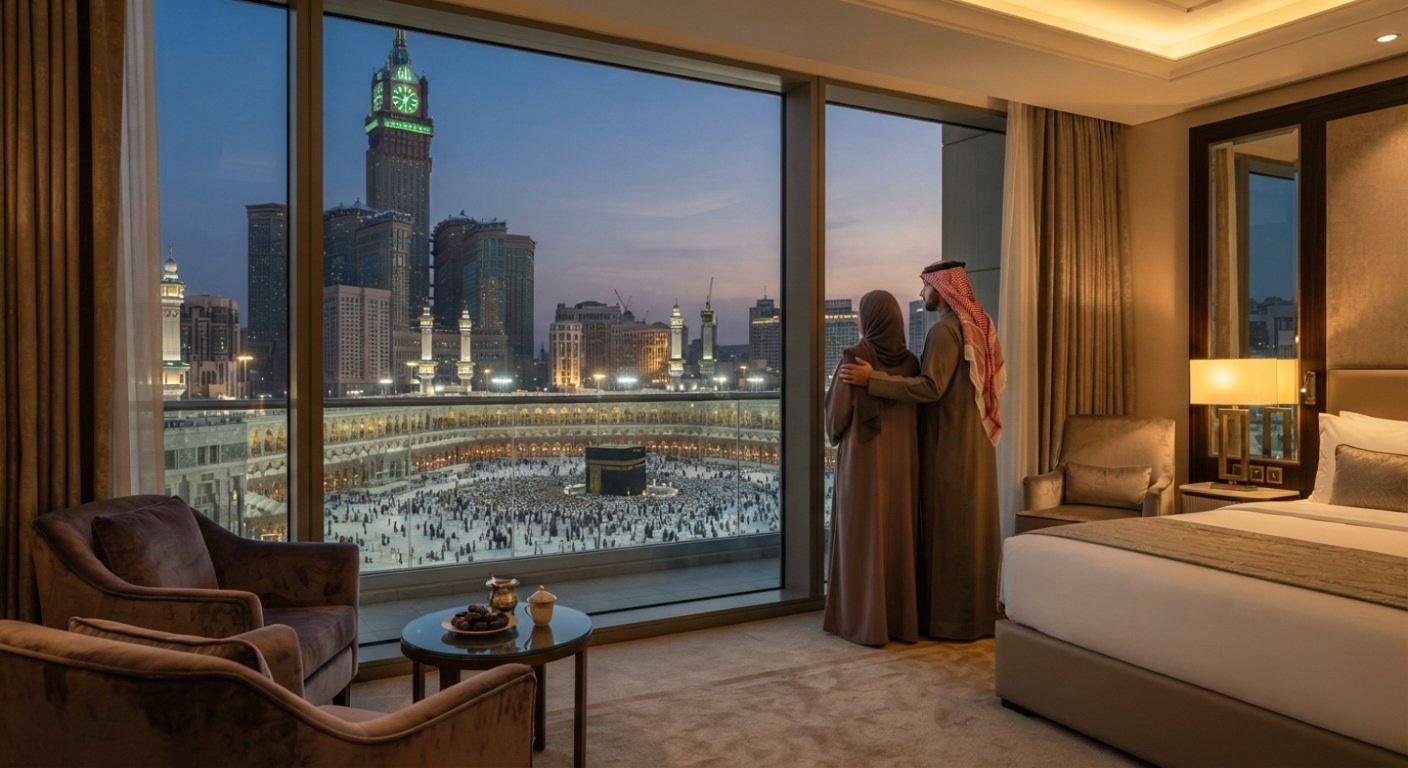

Performing Umrah as a family can be a deeply meaningful experience. Parents, children, and grandparents can share the journey, worship together, and create lasting memories while visiting the holy cities of Makkah and Madinah. However, travelling with several family members also requires careful planning, especially when it comes to accommodation, flights, transport, and daily routines.
Choosing suitable Family Umrah Packages is one way to organize these arrangements before departure. The right package should reflect your family's needs, budget, preferred travel dates, and comfort requirements rather than simply offering the lowest price.
With thoughtful preparation, families can focus more on their spiritual journey and spend less time dealing with avoidable travel difficulties.
1. Understand Your Family's Travel Requirements
Before comparing packages, consider who will be travelling and what each person needs. A couple travelling with young children will have different priorities from a family that includes elderly parents or teenagers.
Start by confirming the number of travellers, their ages, preferred departure dates, and the length of the trip. Think about whether anyone needs step-free access, a wheelchair, additional rest periods, or a room close to essential facilities.
These details will help you choose an arrangement that suits the whole family.
For example, a family travelling with grandparents may prefer a shorter walking distance to the Haram, while parents with young children might prioritize spacious accommodation and convenient transport.
It is also helpful to discuss expectations before booking. Some family members may prefer more time in Makkah, while others may want to spend additional days in Madinah. Agreeing on the main priorities early can make the planning process easier.
2. Choose the Right Time for Your Pilgrimage
Travel dates can influence flight prices, hotel availability, crowd levels, and the overall pace of your journey. Families should consider school holidays, work commitments, weather conditions, and the physical needs of every traveller.
Travelling during school holidays may make it easier for children to join the pilgrimage, but accommodation and flights can be more expensive or harder to secure during popular periods.
Quieter travel periods may offer greater flexibility, although availability and prices still depend on demand.
When choosing dates, allow enough time for the family to settle in, rest after travelling, and complete the planned religious activities without rushing. A very short itinerary can become tiring when several generations are travelling together.
Before confirming a booking, check the current Saudi entry requirements, visa arrangements, and any applicable pilgrimage regulations. Requirements can change, so verify them through official channels before paying for travel services.
3. Compare Accommodation, Location and Included Services
Hotel location can make a substantial difference to a family's daily experience. Accommodation near Masjid al-Haram in Makkah or Al-Masjid an-Nabawi in Madinah can reduce the time spent travelling between the hotel and the holy sites.
However, the nearest hotel is not always the best choice for every budget. Families should compare walking distances, room sizes, available lifts, dining options, and transport arrangements alongside the price.
When reviewing Family Umrah Packages, examine exactly what is included. Check the hotel names, room occupancy, flight arrangements, airport transfers, intercity transport, and any additional services.
A package that appears inexpensive may exclude important expenses, while a slightly more expensive option may include arrangements that make travelling with children or elderly relatives more convenient.
Ask for written confirmation of the accommodation and room configuration before making a final decision.
4. Plan Comfortable Accommodation for Every Generation
Sharing accommodation can help families stay together, but room arrangements need to be practical. A family of five may require a different configuration from a group of eight travelling with grandparents.
Check whether the hotel offers suitable family rooms, connecting rooms, or multiple rooms close to one another. Confirm the maximum permitted occupancy rather than assuming that extra beds will automatically be available.
Consider how much space everyone needs for luggage, prayer, changing clothes, and resting between visits.
For families with babies or toddlers, ask about available cots and other relevant facilities. If an elderly relative has mobility difficulties, request clear information about lift access, entrances, bathroom facilities, and the distance to the nearest convenient route.
Do not rely solely on hotel photographs. Request the room category and occupancy details in writing so that your expectations match the actual booking.
5. Arrange Flights and Transfers Carefully
Long journeys can be tiring, particularly for young children and older travellers. When comparing flights, look beyond the ticket price and consider total travel time, layovers, baggage allowances, and arrival schedules.
A direct flight may be more convenient for a family even when it costs more. If a connecting flight is necessary, allow sufficient time between flights and check whether baggage will be transferred automatically.
Airport transfers deserve equal attention. Confirm whether the package provides private transport, shared transfers, or another arrangement. Ask how luggage, child seats where required, and larger family groups will be accommodated.
It is also sensible to keep essential items in hand luggage, including prescribed medicines, travel documents, a change of clothes for young children, and basic personal necessities.
When travelling with elderly relatives, try to avoid unnecessarily complicated connections or demanding transfer arrangements. A calmer journey can help everyone begin the pilgrimage in better condition.
6. Prepare Children for the Umrah Experience
Children may find the journey exciting, but unfamiliar surroundings, crowds, and changes in routine can also be challenging. Preparing them beforehand can help the entire family feel more comfortable.
Explain the purpose of Umrah in age-appropriate language. Talk about the places they will visit, the importance of patience, and the need to remain close to their accompanying adults in crowded areas.
Pack familiar snacks where permitted, comfortable footwear, weather-appropriate clothing, and any necessary child-care supplies. Keep children hydrated and allow regular rest periods, especially when the weather is hot.
Establish a simple family meeting plan in case someone becomes separated from the group. Older children should know the name and contact details of a responsible adult, while younger children should remain under close supervision.
Parents should also check current guidance for children participating in the pilgrimage and make sure the planned schedule is suitable for their ages.
7. Support Elderly Family Members Throughout the Journey
When elderly parents or relatives join Umrah, comfort and accessibility should be part of the original travel plan rather than last-minute considerations.
Discuss the itinerary with them before departure. Consider their usual walking ability, tolerance for long journeys, medication schedule, and need for breaks. If they have specific medical or mobility requirements, seek appropriate professional advice before travelling.
Choose transport and accommodation that reduce unnecessary physical strain. Where needed, investigate wheelchair availability, accessible routes, and assistance services, confirming arrangements in advance.
Keep important medicines in their original packaging and carry prescriptions or relevant medical documentation. Travel insurance should be reviewed carefully to understand what it covers, including any applicable exclusions.
For travel arrangements and package details, Al Hijaz Tours is a place to begin reviewing available options. Before booking, discuss your family's specific needs and confirm which services can actually be provided.
The most important consideration is to create an itinerary that allows elderly relatives to participate comfortably without feeling pressured to match everyone else's pace.
8. Build a Realistic Daily Itinerary
A family itinerary should provide structure without making every hour feel scheduled. Allow time for prayer, meals, rest, and unexpected delays.
In Makkah, families may plan their Umrah activities alongside appropriate periods of rest. In Madinah, they can organize visits to religious and historical sites while keeping the needs of children and older relatives in mind.
Avoid scheduling too many activities on the same day. Long walks, crowded areas, and changes in routine can quickly exhaust travellers who are not accustomed to this environment.
A practical approach is to identify the day's main priority and keep optional activities flexible. If a child needs a nap or an elderly relative requires additional rest, the family can adjust without disrupting the entire trip.
Agree on meeting points and make sure everyone understands the daily plan. Clear communication helps prevent confusion when family members move at different speeds.
9. Budget for More Than the Package Price
The advertised package cost is only one part of the total family travel budget. Additional expenses may include meals, laundry, local transport, personal shopping, extra baggage, travel insurance, and unforeseen requirements.
Prepare a budget based on the number of travellers and the services included in the package. Confirm whether children receive different pricing and whether infants require separate charges for flights or accommodation.
It is also sensible to reserve money for unexpected expenses, such as changes to transport arrangements or additional accommodation needs.
Before making payment, request a written breakdown of the total cost, deposit requirements, cancellation terms, payment schedule, and refund conditions.
Compare packages on the basis of the services provided, not just the headline price. Clear terms and realistic budgeting can help families avoid financial stress during the pilgrimage.
10. Complete Essential Preparations Before Departure
Once the booking is confirmed, organize documents and practical arrangements well in advance.
Check passports, visa requirements, flight confirmations, hotel details, and any applicable health or vaccination requirements. Keep digital copies of important documents in a secure location, alongside accessible paper copies where useful.
Prepare a simple packing checklist covering clothing, toiletries, prayer essentials, suitable footwear, chargers, and necessary medicines. Pack according to the season and expected activities rather than taking unnecessary items.
Make sure each adult knows the hotel address and has important contact details available offline. Families travelling with children can also agree on basic safety rules before reaching crowded locations.
Finally, review the itinerary with everyone so that each person understands the travel schedule, accommodation arrangements, and main activities.
Conclusion
Planning a comfortable family pilgrimage starts with understanding the needs of every traveller. Suitable accommodation, convenient transport, realistic schedules, careful budgeting, and preparation for children and elderly relatives can make a meaningful difference to the experience.
When comparing travel packages, look beyond the advertised price and confirm the services, room arrangements, travel terms, and support available throughout the journey.
With a thoughtful plan and room for flexibility, families can approach Umrah with greater peace of mind, support one another throughout the journey, and give their attention to the spiritual purpose of travelling together.
