

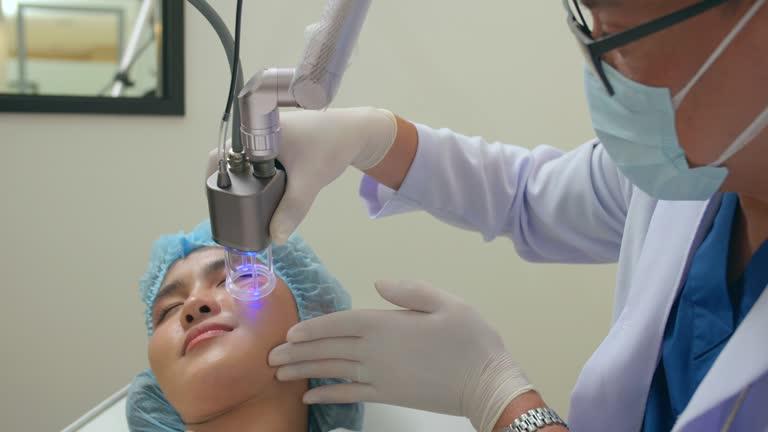
Fractional CO2 Laser Treatment in Dubai can be an appropriate option for selected skin concerns when performed by a qualified professional following a careful assessment. However, it is an ablative laser procedure, so it causes controlled injury to the skin and carries potential risks. Safety depends on the patient's skin characteristics, medical history, treatment settings, and aftercare.
At Tajmeels Clinic, an individual assessment can help determine whether this type of resurfacing is suitable or whether a different treatment may offer a more appropriate balance of benefits and risks.
How Is Fractional CO2 Laser Treatment in Dubai Safety Assessed?
Before treatment, the clinician should review your skin condition, previous procedures, medications, and history of healing problems. This assessment helps identify circumstances that could increase the risk of adverse effects.
Important considerations include:
-
Your natural skin tone and history of dark marks after inflammation.
-
Active acne, infection, irritation, or cold sores.
-
Previous abnormal scarring or delayed wound healing.
-
Current medicines and topical skincare products.
-
Recent tanning, sunburn, or substantial sun exposure.
-
Your medical history and ability to follow post-treatment instructions.
A suitable treatment plan should account for these factors rather than applying the same laser settings to every patient.
Is Fractional CO2 Laser Treatment in Dubai Safe for Darker Skin Tones?
Darker skin tones can have a greater risk of post-inflammatory hyperpigmentation following ablative laser resurfacing. This means treated areas may develop darker patches during or after healing. In some cases, pigment changes can persist, and lighter patches or scarring are also possible complications.
Skin tone alone does not determine suitability. A clinician experienced in treating different skin types should evaluate your individual risk, discuss alternatives, and explain the precautions that may be appropriate.
Depending on your skin and concern, another procedure may provide a more favourable risk profile.
What Are the Possible Side Effects?
Temporary effects can occur as part of the healing process. Potential side effects and complications include:
-
Redness, swelling, warmth, or tenderness.
-
Peeling, crusting, and temporary sensitivity.
-
Prolonged redness or delayed healing.
-
Post-inflammatory hyperpigmentation or lighter patches.
-
Infection, including reactivation of cold sores in susceptible patients.
-
Scarring, which is uncommon but potentially serious.
The likelihood and severity of these effects vary. More intensive treatment may involve greater recovery demands and a higher risk of complications.
How to Prepare for Safer Laser Resurfacing
Preparation should follow the clinician's instructions because individual requirements differ.
-
Share your medical history. Mention previous laser treatments, scarring, cold sores, allergies, and any healing difficulties.
-
Review medicines and skincare. Provide a list of prescription medicines, supplements, and active topical products.
-
Avoid tanning and sunburn. Postpone treatment if your skin is sunburned or significantly irritated, and ask your clinician how to manage recent sun exposure.
-
Discuss recent procedures. Tell the clinician about peels, injections, or other treatments that may affect skin recovery.
-
Plan for aftercare. Make sure you understand cleansing, moisturising, sun protection, and when to restart active skincare products.
Do not stop prescribed medication or start preventive medicines without advice from your healthcare professional.
Warning Signs After Fractional CO2 Laser Treatment in Dubai
Some redness, swelling, and sensitivity may be expected. However, worsening symptoms should be assessed promptly.
Contact your healthcare provider if you notice:
-
Increasing or severe pain.
-
Spreading redness or unusual warmth.
-
Pus, fever, or other signs of infection.
-
New or worsening blisters.
-
Unexpected changes in skin colour or delayed healing.
Seek urgent medical attention if symptoms are severe or you feel seriously unwell.
Frequently Asked Questions
Is Fractional CO2 Laser Treatment in Dubai risk-free?
No cosmetic procedure is entirely risk-free. Fractional CO2 laser resurfacing can cause temporary side effects and, in some cases, complications such as pigment changes, infection, or scarring.
Can sensitive skin undergo fractional CO2 laser treatment?
Sensitive skin does not automatically rule out treatment, but irritation, skin-barrier problems, and the underlying cause of sensitivity need assessment. Another approach may be more appropriate.
Should I disclose a history of cold sores?
Yes. Laser resurfacing around the mouth can reactivate cold sores in susceptible people. Your clinician can determine whether preventive treatment is appropriate.
Can I have treatment if my skin is tanned?
Recent tanning or sunburn may increase risks and can lead to postponement. Follow your clinician's advice on when your skin is ready for assessment and treatment.
Discuss Laser Safety With Tajmeels Clinic
Choosing a resurfacing procedure should involve a clear discussion of benefits, limitations, alternatives, and individual risks. Tajmeels Clinic can assess your skin concerns and help you understand whether Fractional CO2 Laser Treatment in Dubai is appropriate for your skin type and medical history.
Book a personalised consultation to discuss suitability, preparation, recovery, and the precautions relevant to your treatment plan.
Medical disclaimer: This article is educational and does not replace individual medical advice. A qualified healthcare professional must assess suitability and explain the risks before treatment.
