

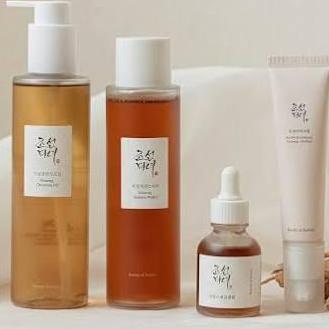
The Korean beauty industry has become a popular choice for skincare enthusiasts around the world. Its wide range of innovative products, lightweight formulations, and carefully developed skincare routines has created opportunities for beauty retailers and entrepreneurs. From refreshing facial cleansers to hydrating serums and nourishing moisturizers, Korean beauty offers products that appeal to customers with different skincare preferences.
For businesses interested in entering this market, wholesale sourcing can provide a practical way to develop a diverse product collection. By choosing suitable products, evaluating suppliers, and understanding customer demand, retailers can build a business that responds to changing beauty trends while maintaining a strong focus on quality.
Exploring the Appeal of Korean Beauty
Korean beauty, often called K-beauty, is widely associated with skincare routines that emphasize cleansing, hydration, and moisturization. Instead of relying on a single product, many customers enjoy combining several products to create a routine that suits their individual needs.
The market includes cleansing oils, gel cleansers, toners, essences, facial serums, moisturizers, sheet masks, and sunscreens. These categories allow retailers to serve customers looking for everyday essentials as well as those interested in exploring more specialized skincare products.
Product variety is another important advantage. Customers can choose lightweight textures, richer creams, fragrance-free options, or formulas featuring particular skincare ingredients. For retailers, offering a carefully selected range makes it easier to reach different customer groups without limiting the store to one type of product.
Why Wholesale Sourcing Matters
Wholesale sourcing helps retailers organize their purchasing activities and maintain a consistent selection of products. Buying several items through a suitable supplier can simplify procurement and make it easier to plan inventory according to customer demand.
A reliable k beauty wholesale source can help businesses explore Korean skincare and cosmetics for their product collections. Retailers can research different categories, compare purchasing conditions, and identify items that fit their budgets and business objectives.
Wholesale purchasing may also support business expansion. A retailer that begins with basic skincare products can gradually introduce additional categories, complementary items, and new brands as customer demand develops.
However, purchasing in bulk requires careful planning. Businesses should consider minimum order quantities, shipping expenses, storage capacity, and expected sales before committing to a large order. Lower unit prices do not automatically guarantee higher profits if products remain unsold.
Essential Korean Beauty Categories for Retailers
A well-organized product range can attract customers with different skincare interests. The following categories are useful starting points for a wholesale beauty collection.
Facial Cleansers
Cleansers are important products in many daily skincare routines. Korean beauty brands offer cleansing oils, balms, gels, and foaming formulas. Providing different options allows customers to choose products that match their cleansing habits and preferences.
Retailers can also consider offering complementary products for customers who prefer double cleansing as part of their routine.
Toners and Essences
Toners and essences are popular among people who enjoy adding lightweight hydration to their skincare routines. These products come in different textures and formulations, giving customers more flexibility when selecting products.
A balanced selection can include refreshing toners and more hydrating formulas for customers who prefer additional moisture.
Serums and Ampoules
Serums offer a variety of formulations for different skincare goals. Products featuring ingredients such as hyaluronic acid, niacinamide, or centella asiatica may appeal to customers interested in hydration, improving the appearance of uneven skin tone, or soothing skincare.
Retailers should provide accurate product descriptions and avoid making unsupported claims about performance or results.
Moisturizers and Face Creams
Moisturizers are everyday essentials for many customers. Lightweight gels and lotions may appeal to people who prefer a fresh finish, while richer creams can attract customers looking for a more nourishing texture.
Stocking different options helps retailers create a collection that accommodates varied preferences and routines.
Sunscreens and Sheet Masks
Sunscreens are valuable additions to a skincare collection, while sheet masks offer a convenient option for occasional skincare treatments. Businesses should verify authenticity, expiration dates, storage requirements, and applicable local regulations before purchasing these products.
How to Choose the Right Wholesale Supplier
Supplier selection can influence product quality, inventory planning, and customer satisfaction. Businesses should compare several factors before establishing a purchasing relationship.
Product authenticity: Work with reputable suppliers and request relevant documentation when necessary. Review packaging, batch information, and expiry dates to help ensure that products meet appropriate quality expectations.
Pricing and purchasing terms: Compare unit prices, minimum order quantities, and payment conditions. Calculate the full cost of each order, including transportation and applicable import charges.
Product availability: Suppliers with clear information about stock levels and restocking schedules can help retailers plan purchases more effectively.
Delivery arrangements: Understand shipping timelines, packaging procedures, and the process for resolving damaged or incorrect orders.
Customer support: Clear communication helps businesses address questions and manage unexpected purchasing issues.
Starting with a manageable order, when possible, can help retailers evaluate the supplier before making a larger investment.
Developing a Smart Inventory Strategy
Inventory management is essential for controlling costs and maintaining product availability. Begin by identifying your target audience and researching which skincare categories are most relevant to their needs.
A focused collection of cleansers, toners, serums, and moisturizers can provide a practical starting point. As the business develops, sales records and customer feedback can help identify which products deserve additional investment.
Avoid purchasing excessive quantities of unfamiliar products simply because they are trending. Start with realistic quantities, monitor their performance, and adjust future orders based on actual demand.
Proper storage is equally important. Follow product-specific storage instructions, track expiry dates, and maintain accurate inventory records. These practices help reduce waste and protect product quality.
Marketing Your Korean Beauty Collection
Marketing should help customers understand the products you offer and how they may fit into everyday routines. Organize your online store into clear categories, provide accurate ingredient information, and include straightforward application instructions.
Educational blog posts, skincare guides, product comparisons, and social media content can introduce potential customers to different Korean beauty products. Helpful information can also make your store more useful to shoppers who are researching skincare before purchasing.
Customer service plays an equally important role. Transparent delivery estimates, clear return policies, and responsive communication can build trust and encourage repeat orders.
Conclusion
Korean beauty wholesale provides opportunities for businesses seeking to enter or expand within the skincare and cosmetics market. Success depends on choosing suitable products, verifying suppliers, managing inventory responsibly, and creating a positive customer experience.
Exploring k beauty wholesale can help retailers begin researching Korean beauty sourcing options. By combining careful purchasing decisions with effective marketing and dependable service, businesses can develop a relevant product selection and build a foundation for sustainable growth.
