

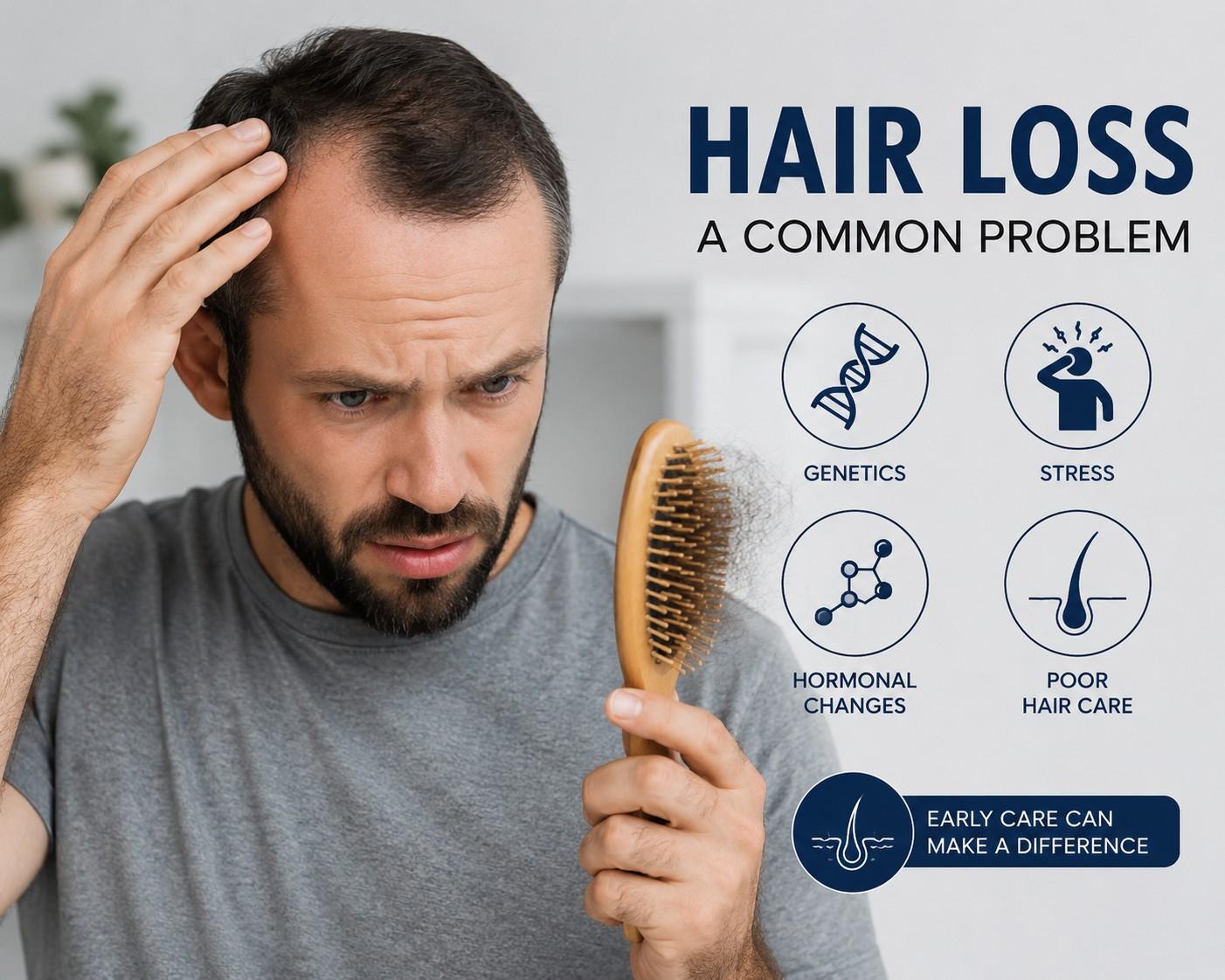

Hair loss is a common concern that affects both men and women. You may notice more hair on your pillow, thinning around your hairline, or a wider parting when you comb your hair. Although losing some hair every day is normal, ongoing hair loss can affect your confidence and make you worry about your appearance. Understanding the cause is the first step towards choosing the right treatment and supporting healthy hair growth.
For people experiencing male pattern hair loss, Finrest 1mg Tablet and Finrest 5mg are product names associated with finasteride-based treatment. Before considering either strength, consult a qualified healthcare professional to confirm the active ingredient, the correct formulation, and whether the treatment suits your condition. The right approach depends on the cause of your hair loss, your medical history, and your individual needs.
What Are the Common Causes of Hair Loss?
Hair loss can develop for several reasons. Some causes lead to gradual thinning, while others cause sudden shedding. Identifying the pattern can help a healthcare professional determine the next steps.
1. Male Pattern Hair Loss
Male pattern hair loss is one of the most common causes of thinning hair in men. It often begins with a receding hairline or thinning at the crown. Over time, these areas may become more noticeable.
Genetics and sensitivity to hormones play an important role in this condition. Hair follicles gradually become smaller, producing finer and shorter strands. Without appropriate management, the thinning may continue over time.
Early assessment can help you understand the condition and discuss suitable treatment options before hair loss progresses further.
2. Hormonal Changes
Hormonal changes can affect the hair growth cycle. Some people experience increased shedding during periods of hormonal change, while others develop gradual thinning because of inherited sensitivity to certain hormones.
If you notice persistent hair loss alongside other physical changes, consult a healthcare professional. They can assess your symptoms and determine whether a hormonal issue may contribute to the problem.
3. Stress and Emotional Pressure
Physical or emotional stress can disrupt the normal hair growth cycle. After a stressful event, illness, surgery, or major life change, some people experience increased shedding.
This type of hair loss may appear several weeks or months after the triggering event. In many cases, hair growth gradually improves once the underlying cause resolves. However, persistent shedding deserves professional assessment.
4. Poor Nutrition
Hair needs adequate nutrition to grow normally. A diet that lacks sufficient protein, iron, or other essential nutrients may contribute to hair thinning in some people.
Skipping meals, following highly restrictive diets, or losing weight rapidly can also affect hair health. Eat a balanced diet with vegetables, fruit, whole grains, protein-rich foods, and healthy fats. If you suspect a nutritional deficiency, seek medical advice before taking supplements.
5. Medical Conditions and Scalp Problems
Certain medical conditions can affect hair growth. Scalp irritation, inflammation, and some illnesses may cause shedding or patches of hair loss.
Pay attention to symptoms such as itching, redness, scaling, pain, or sudden bald patches. A healthcare professional can examine your scalp and identify the cause. Treating the underlying problem may help improve hair health.
How to Treat Hair Loss Effectively
1. Identify the Cause Before Starting Treatment
The best hair loss treatment depends on why you are losing hair. Gradual thinning around the hairline may have a different cause from sudden shedding across the scalp.
A healthcare professional may review your medical history, examine your scalp, and recommend tests when necessary. This assessment helps you avoid unsuitable treatments and focus on the cause of your hair loss.
2. Understand Finrest 1mg Tablet and Finrest 5mg
Finrest 1mg Tablet and Finrest 5mg are product names associated with finasteride strengths. However, you should verify the active ingredient and approved use on the product label before relying on that information.
Finasteride may help manage male pattern hair loss by reducing the production of dihydrotestosterone (DHT), a hormone that can shrink susceptible hair follicles. In suitable patients, treatment may slow further hair loss and support some regrowth over time.
The 1 mg and 5 mg strengths are not automatically interchangeable. Their approved uses and dosing differ, and the appropriate option depends on the clinical situation. Do not increase, reduce, or change your dose without medical advice.
Finasteride is not suitable for every person or every type of hair loss. A healthcare professional should confirm the cause of your thinning and discuss the expected benefits, limitations, and possible side effects before treatment begins.
3. Maintain a Healthy Hair Care Routine
Daily hair care can help reduce avoidable breakage. Use a gentle shampoo that suits your scalp and avoid aggressive brushing, especially when your hair is wet.
Limit frequent heat styling, tight hairstyles, and harsh chemical treatments that can damage hair strands. Handle your hair gently when drying it with a towel, and avoid pulling it tightly into ponytails or buns.
Remember that reducing hair breakage is different from treating hair loss that starts at the follicle. Good hair care supports healthier strands but may not stop genetic hair thinning on its own.
4. Improve Your Diet and Daily Habits
A balanced diet supports normal hair growth. Include adequate protein and a variety of nutrient-rich foods in your meals. Stay hydrated and maintain a regular sleep schedule.
Manage stress through walking, exercise, relaxation, or other activities you enjoy. If stress-related shedding occurs, give your body time to recover while seeking medical advice when shedding continues or worsens.
Avoid extreme diets and unverified hair growth products that promise instant results. Healthy habits can support hair health, but they cannot replace treatment for an underlying medical condition.
How to Prevent Hair Loss From Getting Worse
Although you cannot prevent every type of hair loss, you can take practical steps to protect your hair.
-
Act early: Seek advice when you notice persistent thinning or a receding hairline.
-
Avoid harsh styling: Reduce tight hairstyles, excessive heat, and chemical damage.
-
Eat balanced meals: Provide your body with the nutrients it needs for normal hair growth.
-
Monitor changes: Take occasional photos in similar lighting to track changes over time.
-
Follow professional advice: Use recommended treatments consistently and attend follow-up appointments.
-
Be patient: Hair growth changes slowly, so meaningful results may take several months.
Do not stop or change a prescribed treatment without discussing it with your healthcare professional.
Hair Loss Treatment in the UK and Australia
People in the UK can consult their GP about persistent thinning, sudden shedding, or scalp problems. In Australia, a GP or qualified dermatologist can assess the cause and explain suitable treatment options.
If you are considering Finrest 1mg Tablet or Finrest 5mg, verify the product details and follow local prescription requirements. Finasteride may cause side effects, including sexual side effects and mood changes. Discuss these risks with your healthcare professional, and seek prompt medical advice if you develop concerning symptoms.
Finasteride also carries a risk of harm to a developing male fetus. People who are pregnant or may become pregnant should not handle crushed or broken tablets. Always follow professional guidance and product-specific precautions.
When Should You Seek Medical Advice?
Consult a healthcare professional if your hair loss begins suddenly, develops in patches, continues for several months, or occurs with scalp pain, redness, or severe itching. Seek advice if thinning causes significant distress or affects your daily life.
Early assessment can help identify treatable causes and prevent unnecessary delays. Do not assume that every type of hair loss results from genetics or requires the same treatment.
Conclusion
Hair loss can develop because of genetics, hormonal changes, stress, nutritional problems, or scalp conditions. Identifying the cause helps you choose an appropriate treatment plan and avoid unnecessary products.
Gentle hair care, balanced nutrition, and timely medical advice can support healthier hair. Finrest 1mg tablets and Finrest 5mg should only be considered after confirming their ingredients and discussing the appropriate use with a qualified healthcare professional. With realistic expectations and consistent care, you can take informed steps towards managing hair loss and protecting your hair health.
BuyRxSafe encourages readers to prioritize accurate product information and professional guidance when researching hair loss treatment.
