

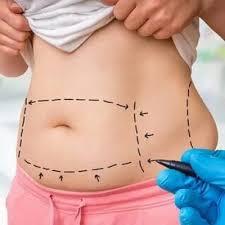

Liposuction in Dubai is a cosmetic procedure designed to remove stubborn fat deposits and improve body contours. Although many patients expect a slimmer and more defined appearance, body shape can change during recovery and over the months following surgery. These changes may occur because of swelling, skin elasticity, healing, weight fluctuations, and the way remaining fat is distributed throughout the body.
Understanding these factors helps patients develop realistic expectations and recognize the difference between normal recovery changes and concerns that require medical attention. Liposuction can improve selected body areas, but the final outcome depends on individual anatomy, surgical technique, and post-operative care.
How Liposuction Changes the Body's Contours
Liposuction removes fat cells from targeted areas, such as the abdomen, thighs, hips, arms, or flanks. By reducing localized fat deposits, the procedure can create a more balanced appearance.
However, fat removal does not reshape every part of the body equally. For example, reducing abdominal fat may make the waist appear more defined, while the hips and thighs retain their original proportions. As a result, patients may notice differences in their overall silhouette.
The final body shape depends on several factors, including the amount and location of fat removed, the patient's natural proportions, skin condition, and the body's healing response. Liposuction is primarily a body-contouring procedure rather than a treatment for significant weight loss.
Why Does Body Shape Change During Recovery?
Swelling Can Temporarily Affect Body Contours
Swelling is a normal part of the healing process after liposuction. The treated tissues respond to surgery with inflammation and fluid accumulation, which can temporarily make the area appear larger, uneven, or less defined than expected.
Some patients notice that one side looks different from the other during the early recovery period. This does not automatically mean the procedure has produced an uneven result.
Swelling generally improves gradually, but the timeline varies according to the treatment area, the extent of surgery, and individual healing patterns. Compression garments may be recommended to help manage swelling and support the treated tissues.
Skin Elasticity Influences the Final Appearance
Skin elasticity is an important factor in how the body looks after fat removal. When fat volume decreases, the skin must adapt to the new underlying contour.
Younger skin or skin with better elasticity may contract more effectively. However, people with loose skin, stretch marks, or reduced elasticity may experience less tightening after liposuction.
In some cases, removing fat can make existing skin laxity more noticeable. Patients with substantial loose skin may need to discuss alternative or additional procedures with a qualified surgeon rather than assuming liposuction alone will create a firm appearance.
Can Weight Changes Affect Liposuction Results?
Yes. Liposuction removes fat cells from specific areas, but it does not prevent future weight gain.
When a person gains weight after surgery, the remaining fat cells can increase in size. Fat may accumulate in treated areas as well as untreated parts of the body, potentially changing the proportions achieved through surgery.
For example, someone who undergoes abdominal liposuction may later notice increased fullness around the abdomen, hips, or back if their weight rises. The exact pattern varies between individuals.
Maintaining a relatively stable weight through balanced nutrition, regular physical activity, and sustainable habits can help preserve body contours. Patients should also understand that natural ageing and hormonal changes may influence body composition over time.
Why Can Unevenness or Asymmetry Occur After Liposuction?
The human body is naturally asymmetrical. Differences in muscle structure, fat distribution, skeletal shape, and skin quality can influence how each side responds to surgery.
Temporary unevenness may also develop because swelling and fluid retention do not always resolve at the same rate. As healing progresses, some visible differences may become less noticeable.
However, persistent indentations, unusual contour irregularities, or pronounced asymmetry may require professional assessment. Possible causes include differences in fat removal, tissue healing, skin retraction, or underlying anatomical features.
Patients should avoid judging their final results too early. If irregularities remain after the expected healing period, a qualified surgeon can assess whether further observation or treatment is appropriate.
Does the Body Continue to Change Months After Liposuction?
Yes. Liposuction results develop gradually rather than appearing immediately after surgery. Although some changes may be visible early, swelling and tissue recovery can influence the appearance for weeks or months.
During this period, the treated area may gradually become softer, smoother, and more defined. The timeline differs depending on the individual, the body area treated, and the extent of the procedure.
Follow-up appointments help the surgeon monitor recovery, evaluate contour changes, and identify any complications. Patients should follow their personalised aftercare instructions and avoid comparing their progress too closely with another person's experience.
Sudden or worsening swelling, increasing pain, spreading redness, fever, chest pain, or shortness of breath should not be dismissed as normal healing. These symptoms require prompt medical assessment, with chest pain or breathing difficulty warranting emergency care.
How Can Patients Help Maintain Their Body Shape?
Long-term results depend partly on habits adopted after recovery. While no lifestyle approach can stop natural ageing, several measures can help support a stable outcome:
-
Maintain a stable weight: Avoid repeated cycles of significant weight gain and loss.
-
Follow recovery instructions: Use compression garments and resume activities only as advised by your surgeon.
-
Choose balanced nutrition: Include a variety of vegetables, fruits, protein sources, whole grains, and healthy fats.
-
Return to exercise gradually: Follow medical guidance before restarting strenuous workouts.
-
Attend follow-up appointments: Discuss persistent swelling, discomfort, or unexpected contour changes with your care team.
These measures support general health and recovery, but they cannot guarantee a particular cosmetic result.
Liposuction Assessment at Tajmeels Clinic
At tajmeels clinic dubai, patients considering liposuction can discuss their body-contouring goals, medical history, skin elasticity, and areas of concern during a professional consultation. An individual assessment helps establish whether liposuction is appropriate and explains how factors such as natural body proportions, recovery, and future weight changes may influence the outcome.
The consultation also provides an opportunity to discuss realistic expectations, potential risks, recovery requirements, and suitable alternatives when liposuction alone may not address loose skin or other concerns. Personalised planning and appropriate follow-up are important parts of making an informed decision about cosmetic surgery.
Conclusion
Body shape can change after liposuction because of swelling, skin elasticity, natural asymmetry, tissue healing, and future weight fluctuations. While the procedure can improve the appearance of selected areas, the final result develops gradually and varies from person to person.
Understanding these influences helps patients set realistic expectations and take appropriate steps during recovery. A consultation with a qualified plastic surgeon can clarify individual suitability, explain possible outcomes, and provide guidance on maintaining body contours over time.
More Information
Tajmeels Clinic Dubai
WhatsApp: +971 56 203 8751
Phone: tel:+971 43739000
Social Media:

