

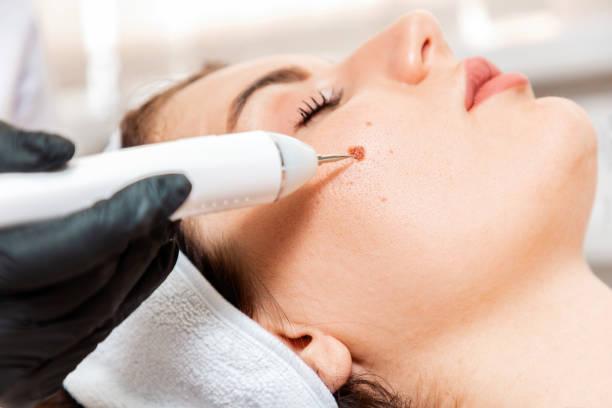

Warts can appear in different shapes, sizes, and locations, creating skin concerns that vary from mild irritation to persistent discomfort. Some growths affect the hands and feet, while others develop in visible areas and influence confidence in one's appearance. Choosing warts removal treatment in Riyadh can help individuals explore suitable options for managing unwanted skin growths according to their specific needs. Understanding the available procedures, the differences between wart types, and the importance of professional assessment can help you make informed decisions about your skin health.
Understanding Different Types of Warts
Warts are generally caused by certain types of human papillomavirus (HPV), which stimulate excess cell growth in the outer layer of the skin. Their appearance and location can influence which treatment options a practitioner recommends.
Common warts usually develop on the fingers and hands and often have a rough surface. Plantar warts appear on the soles of the feet and may cause discomfort when walking. Flat warts are smaller and smoother, sometimes appearing in clusters, while filiform warts may develop around the face. Correct identification is important because some other skin conditions can resemble warts.
Choosing Wart Removal Treatments for Different Skin Concerns
The most appropriate Warts removal treatment in Riyadh depends on the wart's type, location, size, and previous response to treatment. A qualified practitioner can assess the affected area and recommend an approach suited to the individual's skin condition.
Cryotherapy for Common and Plantar Warts
Cryotherapy involves applying liquid nitrogen to freeze wart tissue. The affected tissue gradually breaks down and sheds as the skin heals. It may be used for certain common and plantar warts, although several sessions may be necessary. Temporary blistering, redness, and tenderness are possible.
Laser Treatment for Selected Persistent Warts
Laser treatment uses concentrated light energy to target selected wart tissue or its blood supply. It may be considered for certain stubborn growths that have not responded to other treatments. The suitability of laser treatment depends on the wart's characteristics, location, and individual circumstances.
Topical Treatments for Suitable Skin Growths
Topical products, including salicylic acid preparations, may gradually remove certain warts by breaking down thickened skin. They are commonly considered for suitable growths on the hands and feet. However, these products should not be used on facial or genital growths without medical guidance, as sensitive skin can be damaged.
Electrosurgery and Curettage for Selected Cases
Electrosurgery uses controlled electrical energy to destroy wart tissue, while curettage involves carefully removing the affected tissue with a suitable instrument. These procedures may be considered for selected warts and can require local anaesthesia. A practitioner should explain the potential risks, including scarring and changes in skin pigmentation.
Factors That Influence Treatment Selection
Several factors help determine which treatment may be appropriate for an individual. The location of the wart is particularly important because facial skin and areas around the nails require careful handling. Warts on the soles of the feet may need a different approach because of the thicker skin and pressure placed on the area.
The wart's size, thickness, duration, and response to previous treatments also matter. Personal medical history, skin sensitivity, and conditions that affect healing should be discussed during consultation. A tailored treatment plan can help balance effectiveness, comfort, and the risk of side effects.
Preparing for Professional Wart Removal
Before treatment, tell your practitioner about previous procedures, medications, allergies, and any health conditions that may affect healing. Keep the affected area clean and avoid cutting, squeezing, or scratching the growth.
Ask about the recommended procedure, expected recovery period, possible side effects, and whether more than one session may be necessary. If you have diabetes, reduced foot sensation, or a weakened immune system, seek professional guidance before attempting any home treatment.
Skin Healing and Aftercare Recommendations
Aftercare depends on the procedure and the location of the treated wart. Follow instructions for cleaning and dressing the area, and avoid picking at scabs or blisters. Use recommended skincare products and allow the skin to recover before resuming potentially irritating treatments.
Protect healing skin from excessive friction and sun exposure when appropriate. Wash your hands after touching the affected area and avoid sharing towels or personal grooming tools. Contact a healthcare professional if you experience increasing pain, spreading redness, pus, or other concerning symptoms.
Preventing Warts and Maintaining Healthy Skin
Although warts cannot always be prevented, good hygiene can help reduce the risk of spreading HPV. Avoid picking at warts, keep cuts covered, wear footwear in communal showers, and avoid sharing items such as nail clippers or towels.
Warts can return after treatment because the virus may remain in nearby skin. If a growth reappears, spreads, or changes in appearance, seek professional advice instead of repeatedly attempting removal at home. Regular attention to skin changes can help you recognise when assessment is needed.
Book Your Appointment at Royal Clinic Saudi
If you are concerned about unwanted skin growths, Royal Clinic Saudi can be your starting point for discussing Warts removal treatment in Riyadh. Arrange an appointment to explore suitable treatment choices, understand the expected healing process, and receive guidance tailored to your skin concerns. A professional assessment can help you determine the next steps for managing warts safely.
FAQs:
1. Which wart removal treatment is best for my skin?
The best option depends on the wart's type, location, size, and your skin condition.
2. Is laser treatment suitable for every wart?
No, laser treatment is considered only for selected cases after professional assessment.
3. Can wart removal leave scars?
Yes, some procedures may cause scarring or pigmentation changes.
4. Can warts return after treatment?
Yes, warts may recur because HPV can remain in the surrounding skin.
