

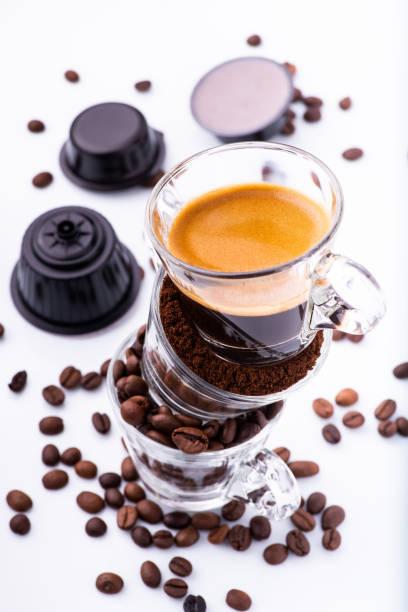

Coffee Capsule Market trends reflect the way consumers are redefining everyday coffee preparation. Convenience remains important, but many buyers also want variety, quality, and a more personalized experience. Capsule systems provide a practical format for trying different blends while keeping the preparation process simple. Consumers can select a preferred intensity or style without handling loose grounds for every serving. This ease of use appeals to households, professionals, and people who enjoy coffee throughout the day. As preferences diversify, manufacturers have opportunities to develop products that deliver recognizable flavor profiles and suit different routines.
Product variety is becoming a useful way for brands to attract customers and encourage repeat purchases. The premium coffee capsule options segment supports consumers who want more choice in their daily brewing routine. Products can differ in roast level, origin, aroma, intensity, and intended serving style. Some buyers may prioritize a bold espresso, while others prefer balanced blends or decaffeinated coffee. Premium offerings can also emphasize careful roasting, distinctive flavor notes, and packaging designed to protect freshness. Brands that explain these characteristics clearly can help customers compare options and choose products that match their expectations.
A growing interest in home-based beverage experiences also creates opportunities for capsule producers. Consumers may want a quick coffee before work, a convenient afternoon drink, or a simple way to serve guests. Capsule machines can support these moments with relatively little preparation, although the final result depends on the machine, capsule design, and brewing settings. Manufacturers can improve the experience by providing straightforward instructions and offering products suited to different cup sizes. Accessories and compatible equipment may also help customers personalize their routines. The objective is to make the coffee experience approachable without making the process feel complicated.
Innovation in packaging and freshness protection plays a key role in product development. Coffee aroma and flavor can change when the product is exposed to unsuitable storage conditions. Capsule packaging is designed to protect measured portions, but the materials and construction vary across products. Manufacturers can focus on dependable sealing, clear storage guidance, and packaging that remains convenient for consumers. Product labels can also communicate roast characteristics and recommended preparation methods. Such information helps set realistic expectations and makes it easier for customers to compare alternatives. Consistent performance is especially important for building confidence among repeat buyers.
Digital shopping continues to influence how coffee capsule products reach consumers. Online retailers allow shoppers to compare varieties, purchase larger packs, and find options that may not be available in nearby stores. Subscription models can help regular users maintain their preferred supply, while brand websites may introduce new blends through targeted recommendations. However, customers need reliable product details to avoid ordering incompatible capsules. Retailers can improve usability through compatibility filters, clear product photography, and accessible information about flavor and packaging. Digital channels are most effective when they combine convenience with accurate guidance and a straightforward purchasing process.
Sustainability is another trend shaping product development and brand communication. Because capsules are individually portioned, their packaging can attract scrutiny from environmentally conscious consumers. Manufacturers are exploring alternative materials and different approaches to collecting and processing used capsules. Yet a product's environmental impact cannot be determined by a label alone; material composition, disposal practices, and local recycling infrastructure all matter. Brands can build credibility by explaining exactly how their products should be disposed of and by supporting practical collection options where available. Reducing unnecessary packaging and communicating limitations honestly may also improve consumer trust.
The market also faces pressure to make capsule coffee accessible to a wider range of buyers. Some consumers compare the ongoing cost of capsules with ground coffee, instant coffee, or other brewing methods. Others may prefer traditional brewing because it offers more control over grind size and preparation. Manufacturers can respond by offering different pack sizes, clear value information, and products across several price points. Compatibility guidance is equally important because a capsule that does not fit the user's machine can lead to frustration. Brands that recognize these concerns can make the benefits and limitations of their products easier to understand.
The future of the Coffee Capsule Market will be shaped by the ability to combine dependable quality with meaningful innovation. New flavor profiles, practical packaging improvements, convenient digital purchasing, and more transparent sustainability information can help brands remain relevant. Consumers are likely to value products that fit their routines while offering enough variety to keep the experience interesting. Businesses should also pay attention to feedback about taste, compatibility, and value. A strong product strategy goes beyond introducing new capsules; it creates a reliable experience from discovery and purchase through brewing and disposal. These details can support stronger customer relationships over time.
FAQs
What is a major trend in coffee capsules?
Consumers are seeking greater flavor variety, convenience, and clearer sustainability information.
Are premium capsules different from standard capsules?
They may offer distinctive blends, roast profiles, or product positioning, depending on the brand.
Why is capsule compatibility important?
It helps ensure the capsule works correctly with the intended brewing machine.
