

Choosing the right replacement part involves more than comparing prices. Vehicle owners, mechanics, and repair shops must consider compatibility, condition, availability, and total repair costs. Use OEM helps customers explore used OEM auto parts for a wide range of makes and models.
## Why Consider Used OEM Auto Parts?
OEM stands for Original Equipment Manufacturer. Used OEM parts are previously installed components that may be suitable for reuse, depending on their condition and application. They can offer an alternative for buyers seeking factory-original replacement components while managing repair costs.
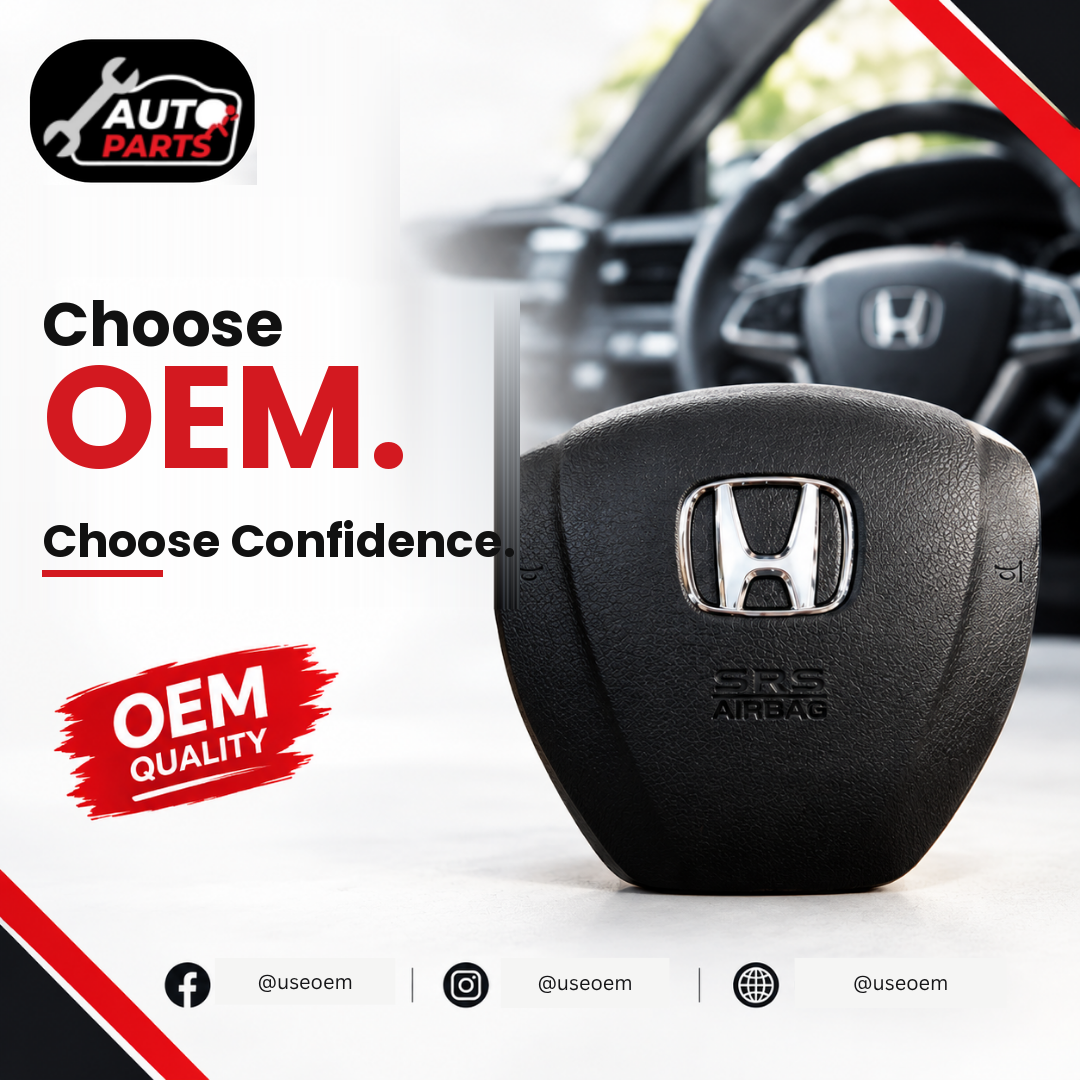
Available parts may include airbags, seat belts, steering wheels, dashboards, interior trim, mirrors, and lighting components. Availability varies by vehicle and part type, so buyers should confirm the exact application before ordering.
## Four Checks Before Buying a Replacement Part
### 1. Confirm Your Vehicle Details
Start with the make, model, model year, trim, and vehicle identification number (VIN). Some components vary by production date, body style, or vehicle configuration. Accurate details help narrow the search.
### 2. Compare the Part Number
Check the number on the original component against the replacement when possible. Similar-looking parts may have different connectors or specifications. Some part numbers may also have approved supersessions, so confirm compatibility rather than relying on appearance alone.
### 3. Review the Condition
Read the product description and inspect available photographs. Ask about relevant damage, missing components, and inspection information when needed. Do not assume a used part is suitable simply because it looks undamaged.
### 4. Confirm Fitment and Return Terms
Resolve compatibility questions before placing an order. Check shipping arrangements and the return policy so you understand the conditions before purchasing. Use OEM offers VIN-based fitment checks to help customers confirm compatibility before orders leave the facility.
## Advice for Repair Shops and Wholesale Buyers
Automotive businesses often need to balance customer budgets, repair schedules, and part availability. A consistent purchasing process can reduce avoidable errors. Record the VIN, identify the required component, compare part numbers, review condition, and confirm delivery and return terms.
For example, a workshop sourcing a dashboard for an older SUV might find several similar options. Checking the trim, part number, and included components before ordering can help prevent a costly mismatch. The lowest purchase price is not always the lowest total cost if shipping, delays, or returns become necessary.
## Take Extra Care With Safety-Critical Parts
Airbags and seat belts require special attention because they are essential vehicle safety components. Verify the exact application and follow the vehicle manufacturer's service requirements and applicable regulations. Qualified professionals should inspect and install these components according to the correct procedures.
For recall information in the United States, visit the National Highway Traffic Safety Administration at https://www.nhtsa.gov/recalls. A recall search is useful, but it does not replace part-specific fitment checks or professional inspection.
## How Use OEM Helps Customers
Use OEM offers used OEM auto airbags and vehicle parts for a range of makes and models, subject to availability. The inventory includes airbags, seat belts, steering wheels, dashboards, and interior components. Customers can also benefit from VIN-based fitment checks, free shipping, and a 30-day return policy, subject to applicable terms.
Visit https://useoem.com/ to explore available components and review the information relevant to your vehicle.
## Frequently Asked Questions
### Are used OEM auto parts worth buying?
They can be a practical option when the part matches the vehicle, its condition is suitable, and the total cost meets your needs. Always consider compatibility and safety requirements before price.
### How do I check whether a part fits my vehicle?
Provide the make, model, year, trim, and VIN. Compare the part number where available and confirm fitment with reliable compatibility information before ordering.
### Can repair shops use used OEM parts?
Yes, where the component is appropriate for the repair and meets applicable requirements. Workshops should confirm condition, compatibility, availability, and return terms before purchasing.
### What should I check before buying a used airbag?
Verify the exact vehicle application and part specifications. Because airbags are safety-critical, follow manufacturer requirements, applicable regulations, and professional installation procedures.
## Conclusion
Choosing a replacement part requires careful verification, not just a price comparison. Vehicle details, part numbers, condition, and fitment checks help buyers make informed decisions. Use OEM gives vehicle owners and automotive businesses another place to explore used OEM replacement components.
