

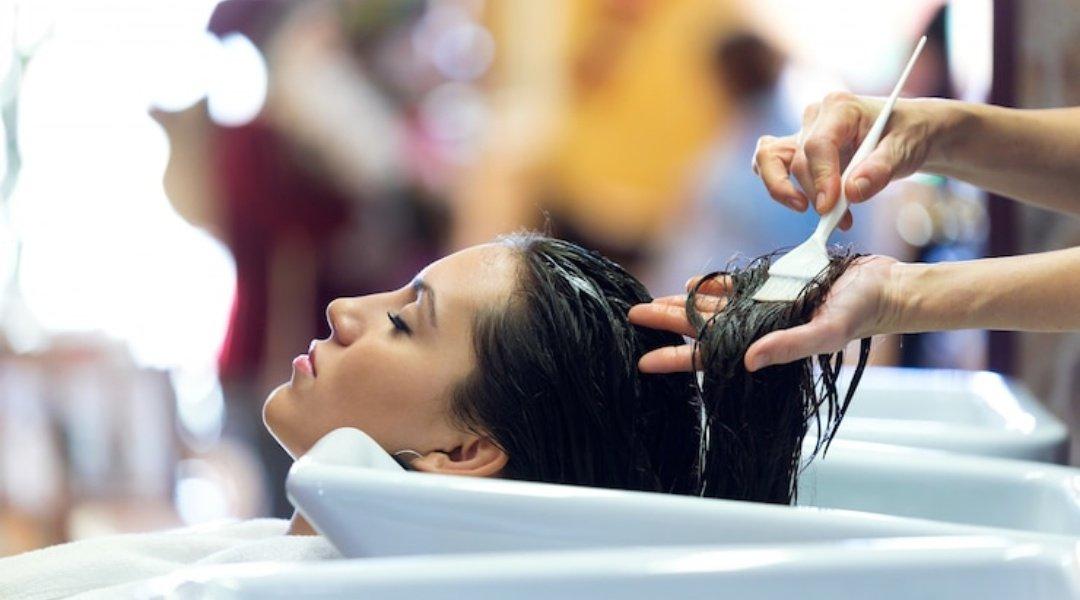
Hair Treatment Services: Professional Solutions for Hair Care and Scalp Health

Healthy hair depends on several factors, including scalp condition, genetics, nutrition, hormones, daily habits, and hair care products. Many people experience concerns such as hair thinning, breakage, dryness, dandruff, or increased hair shedding. These problems can affect the appearance of hair and make daily grooming more difficult.
Hair treatment services offer different approaches to improving hair condition and managing scalp concerns. Some services focus on conditioning and reducing breakage, while others address hair loss or specific scalp problems. The right choice depends on the cause of the concern rather than appearance alone.
A professional consultation helps identify suitable options and determine whether a person needs cosmetic care, medical treatment, or both. Understanding the differences between these services makes it easier to choose a practical hair care plan.
What Are Hair Treatment Services?
Hair treatment services include professional procedures and care routines designed to improve the condition of the hair and scalp. They range from deep conditioning and damage repair to scalp treatments and medically supervised hair loss management.
Cosmetic treatments mainly improve the appearance, softness, manageability, or strength of the hair shaft. They may reduce friction and breakage, but they cannot change the underlying genetics of hair growth.
Medical hair treatments focus on conditions that affect the scalp or hair follicles. Depending on the diagnosis, these may include prescription medicines, selected topical treatments, or procedures performed by qualified medical professionals.
A clinic should explain whether a service addresses cosmetic damage, scalp health, or hair loss. This distinction helps people develop realistic expectations and avoid spending money on treatments that do not match their needs.
Common Hair Problems That Need Attention
Hair Thinning and Excessive Shedding
Hair thinning can develop gradually or appear as increased shedding. Genetics is a common cause of pattern hair loss, but other factors can also contribute.
Hormonal changes, nutritional deficiencies, thyroid problems, certain medications, illness, and physical stress may affect hair growth. Some people experience temporary shedding after a major illness or stressful event.
Sudden hair loss, patchy bald areas, scalp pain, or visible inflammation should receive medical attention. Identifying the cause helps determine whether the condition may improve on its own or requires treatment.
Dryness and Hair Breakage
Dry hair often feels rough, looks dull, and tangles easily. Chemical processing, frequent heat styling, harsh cleansing, and environmental exposure can contribute to damage.
Hair breakage differs from hair shedding. Breakage occurs when strands snap along their length, while shedding involves hair falling from the scalp. The two problems may occur together but need different approaches.
Conditioning products can improve softness and reduce friction. People can also reduce damage by limiting excessive heat, avoiding harsh brushing, and handling wet hair gently.
Dandruff and Scalp Irritation
Dandruff causes visible flakes and may come with itching. Some people experience oily scaling, while others have a dry or irritated scalp.
Dandruff often responds to medicated shampoos containing ingredients such as ketoconazole, selenium sulfide, or zinc pyrithione, depending on product availability and local regulations. The correct shampoo and usage schedule depend on the person's symptoms.
Persistent scaling may indicate seborrheic dermatitis, psoriasis, a fungal infection, or another scalp condition. A professional assessment can help distinguish these problems.
Frizz and Loss of Manageability
Frizz develops when hair strands absorb moisture unevenly or become damaged. Curly and textured hair may be more prone to visible frizz, although all hair types can experience it.
Conditioners, leave in products, and suitable styling methods can improve manageability. Heat protection also helps reduce damage during blow drying or straightening.
Chemical smoothing services can change the appearance of hair, but they may cause dryness, breakage, or scalp irritation. Patients should ask about the ingredients and possible risks before choosing these procedures.
Popular Professional Hair Treatment Services
Deep Conditioning and Hair Repair
Deep conditioning treatments coat the hair shaft and help improve softness, smoothness, and manageability. These services may benefit dry, tangled, or chemically treated hair.
Some products contain conditioning agents, oils, proteins, or other ingredients that help reduce friction and improve the feel of damaged strands. The effects are mainly cosmetic and may fade with washing.
People with severe breakage should also change the habits that caused the damage. A conditioning session cannot permanently repair every split or restore hair that has already broken off.
Scalp Cleansing Treatments
Professional scalp treatments focus on removing buildup and improving scalp comfort. Depending on the service, they may include gentle cleansing, selected exfoliating products, and moisturizing ingredients.
These treatments can help some people manage excess oil or product buildup. However, aggressive scrubbing can irritate the scalp and worsen certain skin conditions.
People with persistent itching, thick scales, sores, or unusual hair loss should receive medical assessment before trying an intensive scalp procedure.
Hair Loss Assessment and Treatment
Hair loss services should begin with identifying the cause of thinning or shedding. A qualified clinician may examine the scalp, review the person's history, and order blood tests when symptoms suggest an underlying medical issue.
Treatment depends on the diagnosis. For pattern hair loss, a clinician may discuss established options such as topical minoxidil or other appropriate medicines. Some treatments require ongoing use to maintain results.
Not every person responds in the same way. Prescription medicines can have side effects and may not suit everyone. Patients should discuss medical history, pregnancy plans, and other medications with a qualified professional before starting treatment.
Platelet Rich Plasma and Other Procedures
Some clinics offer platelet-rich plasma, commonly called PRP, for selected types of hair loss. This procedure uses a prepared portion of the patient's own blood, which a trained professional injects into the scalp.
Research suggests that PRP may improve hair density in some people with pattern hair loss, but treatment methods and results vary. Multiple sessions may be necessary, and maintenance treatments may be recommended.
Other procedures marketed for hair growth may have different levels of evidence. Patients should ask about published research, potential side effects, treatment costs, and alternatives before making a decision.
Hair Strengthening and Styling Treatments
Hair strengthening services may include conditioning masks, bond building products, and treatments intended to reduce the appearance of damage. These services can improve manageability and help protect strands during styling.
Chemical straightening and smoothing treatments require additional care. Some products can release harmful fumes when heated, and certain chemical processes can weaken the hair shaft. A trained stylist should explain the ingredients, ventilation measures, and risks before treatment.
People should avoid services that cause burning, severe itching, or pain. These symptoms can indicate irritation or chemical injury.
How to Support Hair Health at Home
Daily habits play an important role in maintaining hair condition. A suitable shampoo, conditioner, and styling routine can reduce damage and keep the scalp comfortable.
People should avoid tight hairstyles that pull on the hairline, excessive heat, and repeated chemical processing. They should also use a comb or brush appropriate for their hair texture and handle wet strands carefully.
Nutrition matters as well. Hair growth requires adequate protein and essential nutrients. People with suspected deficiencies should seek medical advice before taking supplements, because unnecessary high doses can cause harm.
A practical routine includes these two priorities:
-
Use suitable shampoo and conditioner, limit damaging heat and chemical treatments, and avoid tight hairstyles that pull on the roots.
-
Maintain a balanced diet, get adequate sleep, and seek medical advice for persistent shedding, sudden bald patches, or scalp inflammation.
Consistent habits can reduce preventable damage, but they cannot eliminate every cause of hair loss.
How to Choose the Right Hair Treatment Clinic
The right provider should first understand the person's concern. A consultation should cover the history of hair loss, scalp symptoms, current products, medications, and previous procedures.
Patients should ask whether a proposed service has evidence for their specific condition. They should also understand how many sessions they may need, when to expect results, and whether maintenance is necessary.
A reliable provider explains risks and alternatives rather than guaranteeing rapid hair growth. Patients should be cautious of products that promise to regrow hair for everyone or claim to cure all forms of baldness.
Hair loss associated with illness, hormonal changes, or nutritional problems may need medical evaluation. Cosmetic treatments alone cannot address every underlying cause.
What to Expect During and After Treatment
The treatment experience depends on the service. A conditioning session may involve washing, applying a treatment product, allowing it to work, and rinsing. A medical hair loss procedure may require examination, preparation, and follow up visits.
The provider should explain any expected redness, tenderness, or recovery period. Patients should follow instructions about washing the hair, using styling products, and returning for another session.
Results also take different amounts of time. Cosmetic treatments may improve the feel of hair immediately, while medical hair growth treatments often require several months before changes become noticeable.
Photographs taken under similar lighting can help people track changes over time. A provider should assess progress and adjust the plan when necessary.
Frequently Asked Questions
1. Which hair treatment is best for hair fall?
The best treatment depends on the cause. Pattern hair loss, temporary shedding, scalp disease, and hair breakage need different approaches. A medical assessment can help identify the right option.
2. Can hair treatments make hair grow faster?
Conditioning treatments mainly improve the hair shaft and reduce breakage. Medical treatments may support growth for certain types of hair loss, but results vary and usually take time.
3. How often should I get a hair treatment?
The schedule depends on the service and the condition of the hair. Conditioning treatments may fit into a regular hair care routine, while medical procedures follow a specific treatment plan.
4. Can dandruff cause hair loss?
Dandruff itself does not usually cause permanent hair loss. However, severe itching and scratching can damage the scalp and contribute to temporary shedding or breakage.
5. Are professional hair treatments safe?
Many treatments are safe when properly selected and performed. Chemical products, injections, and medical procedures carry different risks, so patients should review ingredients, qualifications, and aftercare before proceeding.
6. When should I see a doctor for hair loss?
Seek medical advice for sudden shedding, patchy bald areas, scalp pain, sores, severe itching, or hair loss accompanied by other symptoms. Early assessment can help identify treatable causes.
Conclusion
Professional hair treatment services can help improve hair softness, reduce breakage, support scalp care, and address selected forms of hair loss. The most suitable approach depends on the condition being treated. Cosmetic conditioning can improve hair appearance, while persistent shedding or scalp problems may require medical evaluation.
London Aesthetics & Rejuvenation Center in Thokar Niaz Baig, Lahore, is a local option for people exploring aesthetic and hair care services in Thokar Niaz Baig and surrounding areas. People interested in hair treatment services can contact the center to ask about available options, professional assessment, expected results, and the precautions needed for their individual hair and scalp concerns.
