

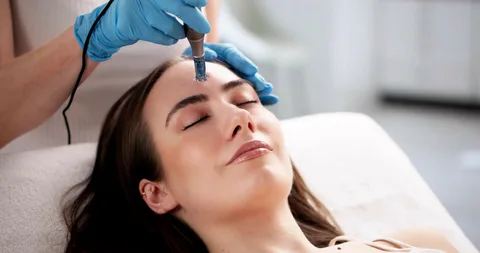

Healthy skin requires regular care, suitable products, and treatments that address individual concerns. Many people experience uneven skin tone, fine lines, acne marks, dryness, and changes in skin texture over time. A professional approach can help identify these concerns and determine which treatments may be suitable. Choosing the right Skin Rejuvenation Clinic is an important step toward improving skin appearance while maintaining a safe and consistent skincare routine.
Understanding Common Skin Concerns
Skin concerns can develop for several reasons, including sun exposure, aging, hormonal changes, environmental pollution, and daily habits. Some people notice dark spots or uneven pigmentation, while others experience enlarged pores, fine lines, or a rough skin texture. These concerns can affect how the skin looks and feels. Understanding the underlying causes helps individuals make better decisions about skincare and professional treatment options.
Daily skincare habits also influence skin condition. Cleansing helps remove dirt, oil, and environmental buildup from the skin. Moisturizers support the skin barrier, while sunscreen helps protect against ultraviolet radiation. A consistent routine can support treatment results and reduce the risk of additional sun-related skin damage.
Exploring Advanced Skin Treatments
Professional skincare has developed to address different concerns with more targeted approaches. Advanced Skin Treatments may include chemical peels, microneedling, laser procedures, hydrating facials, and other dermatologist-guided services. Each option serves a different purpose and may be suitable for specific skin types or conditions. A professional consultation helps determine which approach is appropriate for an individual's needs.
The selection of a treatment depends on several factors. Skin sensitivity, medical history, existing conditions, and personal goals all matter when planning a skincare procedure. Some treatments focus on improving texture, while others target pigmentation or signs of aging. Understanding these differences can help clients develop realistic expectations before starting a treatment plan.
The Importance of Professional Skin Assessment
A skin assessment helps identify concerns that may not be addressed by ordinary skincare products. A qualified professional can examine skin texture, hydration, pigmentation, and sensitivity before recommending suitable options. This assessment also provides an opportunity to discuss allergies, medications, previous procedures, and any history of skin reactions. These details can help reduce avoidable risks and support a more appropriate treatment plan.
It is important to avoid choosing procedures based only on popularity or social media recommendations. A treatment that works well for one person may not be suitable for another. Some procedures require preparation, temporary changes to skincare products, or recovery time. Professional guidance helps clients understand these requirements and make informed decisions.
How Exosome Skin Therapy Fits Into Modern Skincare?
Exosome-based skincare has gained attention in aesthetic medicine because of its potential role in skin repair and rejuvenation. Exosome Skin Therapy refers to treatments that use products containing exosomes or exosome-related materials, depending on the specific formulation and procedure. These microscopic extracellular vesicles are studied for their role in cell-to-cell communication. However, the clinical evidence supporting many cosmetic exosome applications is still developing.
The quality, source, formulation, and intended use of an exosome product are important considerations. Not every product marketed for skin rejuvenation has the same evidence or regulatory status. Clients should ask about the product being used, its safety information, and the professional's experience with the procedure. They should also understand that results are not guaranteed and that long-term safety data may be limited for some applications.
Benefits of a Personalized Skincare Plan
A personalized skincare plan considers the condition of the skin instead of relying on a standard treatment for everyone. It may combine daily skincare habits with selected professional procedures when appropriate. For example, a person concerned about uneven pigmentation may need a different approach from someone experiencing dryness or fine lines. A tailored plan helps focus attention on the concerns that matter most to each individual.
Consistency is another important part of skincare. Many treatments require multiple sessions or follow-up appointments to evaluate progress. Some results appear gradually, while others may be temporary and require maintenance. Following aftercare instructions and attending recommended reviews can help support skin health throughout the process.
Preparing for a Professional Skin Treatment
Preparation begins with an honest discussion about skin concerns and treatment expectations. Clients should share information about current skincare products, medications, allergies, and previous cosmetic procedures. Certain ingredients or treatments may need to be paused before a procedure, depending on the recommendation of the qualified professional. Clients should never stop prescribed medication without consulting the prescribing healthcare professional.
It is also helpful to understand the expected recovery period before booking an appointment. Some procedures may cause temporary redness, sensitivity, swelling, or peeling. Others may involve more significant downtime or specific aftercare requirements. Asking questions in advance helps clients plan their schedules and understand when to seek medical advice if an unexpected reaction occurs.
Maintaining Skin Health After Treatment
Aftercare is an essential part of many aesthetic procedures. Depending on the treatment, a professional may recommend gentle cleansing, suitable moisturizers, sun protection, and avoiding irritating products for a specific period. Scrubbing, picking at peeling skin, or using strong active ingredients too soon may increase irritation. Following the recommended instructions can help protect the skin while it recovers.
Sun protection is particularly important after procedures that affect the outer layers of the skin. Broad-spectrum sunscreen with SPF 30 or higher can help reduce ultraviolet exposure when used correctly. Protective clothing and shade provide additional support during outdoor activities. These habits can also help prevent some forms of pigmentation from becoming more noticeable.
Choosing the Right Aesthetic Clinic
Selecting an aesthetic clinic requires more than comparing prices or promotional offers. Clients should consider professional qualifications, hygiene practices, consultation standards, and the clinic's approach to treatment safety. It is reasonable to ask who will perform a procedure and what training they have received. Clear explanations about possible side effects, expected outcomes, and alternative options are also important.
A suitable clinic should encourage informed decisions instead of promising perfect or permanent results. Clients should receive information about the treatment, its limitations, and any available evidence supporting its use. They should also have an opportunity to discuss concerns before agreeing to a procedure. This approach helps establish realistic expectations and supports safer aesthetic care.
Building a Sustainable Skincare Routine
Professional treatments work best when they are considered alongside everyday skincare habits. Gentle cleansing, regular moisturizing, adequate sleep, a balanced diet, and sun protection all contribute to general skin health. Avoiding smoking and limiting unnecessary skin irritation may also help maintain the skin's appearance. These habits do not replace medical care, but they can complement an appropriate treatment plan.
It is equally important to recognize when a skin concern needs medical evaluation rather than a cosmetic procedure. Persistent rashes, painful lesions, unusual changes in moles, or sudden changes in pigmentation should be assessed by a qualified healthcare professional. Cosmetic treatments should not be used to delay diagnosis of a possible skin condition. The right guidance helps ensure that treatment decisions are based on both safety and individual needs.
Conclusion
Choosing suitable skincare services begins with understanding individual concerns, reviewing available options, and seeking qualified professional guidance. From routine skin maintenance to newer aesthetic approaches, every procedure should be selected according to its potential benefits, limitations, and safety considerations. Clients should prioritize realistic expectations, appropriate aftercare, and consistent sun protection when working toward healthier-looking skin. London Aesthetics & Rejuvenation Center DHA is a local option for people exploring aesthetic and skincare services in DHA Phase 3 Lahore and surrounding areas. By discussing their goals with qualified professionals, clients can better understand the available options and make informed decisions about their skincare needs.
