

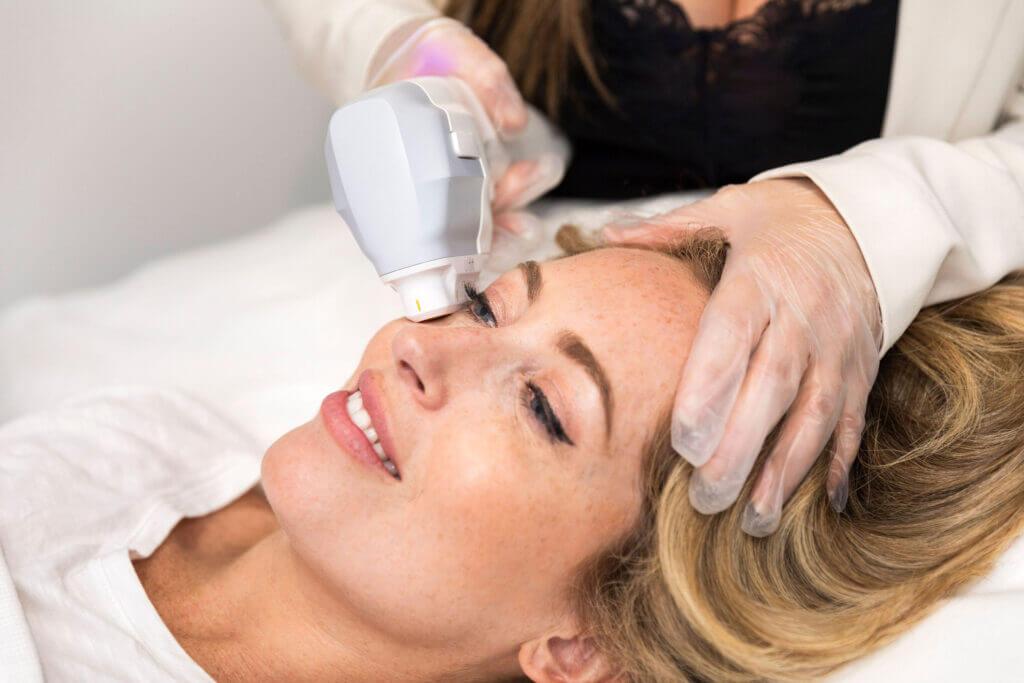

Skin changes naturally with age. Fine lines, wrinkles, uneven pigmentation, dryness, and reduced firmness can develop over time. Sun exposure, smoking, environmental pollution, genetics, and daily habits can also affect how the skin looks and feels.
Anti aging treatments aim to improve selected visible signs of aging and support skin health. These treatments range from simple home care to professional cosmetic procedures. The right option depends on the person's skin condition, treatment goals, medical history, and willingness to follow aftercare instructions.
A realistic approach focuses on gradual improvement rather than trying to stop the natural aging process. Understanding the available treatments helps people make informed decisions and avoid products that promise unrealistic results.
What Are Anti Aging Treatments?
Anti aging treatments include products and procedures designed to address visible changes associated with aging. Some improve hydration and skin texture, while others target wrinkles, pigmentation, or loss of firmness.
Treatment options may include moisturizers, retinoid products, chemical peels, selected laser procedures, microneedling, and injectable treatments administered by qualified medical professionals.
Each option works differently. Some treatments provide temporary improvements, while others may produce changes that last longer but require recovery time or maintenance sessions.
A consultation helps determine which treatments may suit the person's needs. Providers should explain expected benefits, limitations, costs, and possible side effects before starting a procedure.
Why Does Skin Change With Age?
Reduced Collagen and Elastin
Collagen helps provide structure to the skin, while elastin contributes to its ability to stretch and return to its original shape. These proteins change with age, which can contribute to wrinkles and reduced firmness.
Sun exposure can speed up these changes by damaging skin structures. Protective habits and selected treatments may help reduce visible effects, although no procedure completely reverses aging.
Sun Damage and Uneven Pigmentation
Ultraviolet radiation contributes to wrinkles, rough texture, and dark spots. Repeated exposure can also increase the risk of skin cancer.
Sun damage may appear as freckles, uneven pigmentation, or leathery skin texture. Treatment depends on the type of discoloration and the person's skin condition.
Daily sun protection is one of the most useful steps for preventing additional damage. A broad spectrum sunscreen with SPF 30 or higher helps protect against ultraviolet A and ultraviolet B radiation.
Dryness and Changes in Skin Texture
The skin may become drier with age because its moisture balance and natural barrier can change. Dryness can make fine lines appear more noticeable.
A suitable moisturizer can improve comfort and temporarily soften the appearance of fine lines caused by dehydration. Gentle cleansing also helps protect the skin barrier.
Persistent itching, cracking, or inflammation may indicate a skin condition that requires medical assessment.
Common Anti Aging Treatments
Retinoids and Retinol
Retinoids are vitamin A related ingredients used for certain signs of skin aging and acne. Some prescription retinoids have evidence supporting improvements in fine lines and uneven pigmentation. Over the counter retinol products generally have different strengths and formulations.
These products can cause dryness, redness, peeling, or irritation, especially during the first few weeks. A gradual introduction and suitable moisturizer can help improve tolerance.
People should follow product directions and seek professional advice when necessary. Topical retinoids generally require avoidance during pregnancy or when planning pregnancy, so people in these circumstances should consult their health professional.
Chemical Peels
Chemical peels use selected acids to remove surface skin cells and encourage skin renewal. Providers choose the peel according to the person's skin type and treatment goals.
Mild peels may improve dullness, rough texture, and some forms of uneven pigmentation. Stronger peels carry greater risks and require appropriate medical expertise.
Possible side effects include redness, peeling, irritation, and changes in pigmentation. Incorrect use can cause burns or scarring. People should follow preparation and aftercare instructions and avoid unapproved home peeling products.
Microneedling
Microneedling uses fine needles to create controlled, small punctures in the skin. This process stimulates the body's healing response and may improve the appearance of selected acne scars, fine lines, and uneven texture.
Results depend on the treatment method, skin condition, and number of sessions. Some people experience redness, swelling, or temporary sensitivity afterward.
The procedure requires suitable training, sterile equipment, and proper aftercare. It should not take place over active skin infections or untreated inflammatory conditions. People with a history of certain skin problems should discuss their risks with a qualified provider.
Laser and Light Based Treatments
Selected laser and light based procedures target concerns such as sun damage, pigmentation, redness, and skin texture. Different devices use different wavelengths and treatment methods.
The provider must consider skin tone, medical history, and the specific concern before choosing a device. Some procedures require several sessions, while others involve downtime.
Possible risks include burns, scarring, and lighter or darker patches of skin. These risks make provider qualifications and appropriate device selection especially important.
Clients should ask about the expected recovery period, sun protection requirements, and the provider's experience treating people with similar skin tones.
Injectable Treatments
Some injectable treatments address facial wrinkles or loss of volume. Botulinum toxin injections temporarily relax selected muscles that contribute to certain expression lines. Dermal fillers add volume to specific areas.
These procedures require qualified skin care specialists who understand facial anatomy and the risks involved. Results vary, and the effects of many injectable treatments fade over time.
Fillers can cause serious complications, including blocked blood vessels and tissue damage. Clients should understand the risks, ask about emergency management, and avoid injections from unqualified providers.
Professional Hydration Treatments
Some aesthetic treatments focus on cleansing, hydration, and temporary improvements in skin appearance. A provider may use moisturizers, masks, or selected procedures based on the client's needs.
These services can help dry skin feel smoother and more comfortable. However, hydration treatments do not replace sunscreen or provide the same effects as procedures designed to target deeper wrinkles.
People with sensitive skin should discuss their allergies and previous reactions before treatment.
How to Choose the Right Anti Aging Treatment
The best treatment depends on the concern rather than age alone. Someone with dry skin may benefit most from a moisturizer and gentle routine. Another person with sun damage may need professional evaluation and a targeted procedure.
A qualified provider should examine the skin, discuss medical history, and review current medications and products. The consultation should also cover recovery time, treatment costs, possible complications, and maintenance needs.
Clients should avoid choosing procedures only because of social media trends. A popular treatment may not suit their skin type or goals.
People with changing dark spots, unusual growths, or persistent skin irritation should seek medical evaluation before cosmetic treatment.
Daily Habits That Support Younger Looking Skin
Professional treatments work alongside everyday habits. Consistent sun protection helps prevent additional ultraviolet damage. A broad spectrum sunscreen with SPF 30 or higher should form part of the daily routine, with reapplication according to product directions and after swimming or sweating.
A gentle cleanser and suitable moisturizer help maintain skin comfort. People may also benefit from avoiding smoking, eating a balanced diet, getting adequate sleep, and limiting unnecessary irritation from harsh products.
Antioxidant products, including some vitamin C formulations, may support selected skin care goals. However, results depend on the formulation, regular use, and individual skin response.
No cream or procedure can stop aging completely. A suitable routine focuses on skin health and improvements that fit the person's needs.
What to Expect During Recovery
Recovery depends on the procedure. A gentle facial may require little downtime, while a chemical peel, laser procedure, or microneedling session may cause redness, swelling, peeling, or sensitivity.
Clients should follow the provider's aftercare instructions. These may include gentle cleansing, moisturizing, sun protection, and avoiding certain active ingredients until the skin recovers.
People should contact their provider or seek medical care for severe pain, increasing swelling, blisters, spreading redness, or signs of infection.
It is also important to understand that results may take time. Some treatments require several sessions, and many procedures need maintenance to preserve improvements.
Conclusion
Scalp Treatment Clinic can help improve selected signs of aging when people choose suitable options and follow a consistent skin care routine. Professional assessment helps identify appropriate procedures, explain possible risks, and establish realistic expectations.
London Aesthetics & Rejuvenation Centre in Kohinoor City, Faisalabad, and its surrounding areas, is a leading option for people exploring anti aging and skin rejuvenation services. Contact the center to learn about its available treatments, consultation process, provider qualifications, and aftercare support. A professional discussion can help you compare options and choose a treatment that matches your skin concerns and personal goals.
Frequently Asked Questions
1. What is the best anti aging treatment?
The best treatment depends on the skin concern. Moisturizers may help dryness, retinoids may improve selected fine lines, and professional procedures may address wrinkles or uneven pigmentation. A consultation helps determine suitable options.
2. At what age should I start anti aging skin care?
People can begin preventive skin care at any age. Daily sunscreen, gentle cleansing, and moisturizing help maintain skin health. Specific treatments depend on individual concerns rather than a fixed age.
3. Can anti aging treatments remove wrinkles completely?
Most treatments reduce the appearance of selected wrinkles rather than remove every line. Results vary according to the procedure, skin condition, and individual response.
4. Are anti aging treatments safe for sensitive skin?
Some treatments may suit sensitive skin, but others can cause irritation or inflammation. A qualified provider should assess the skin and recommend an appropriate approach.
5. How long do anti aging treatment results last?
Results vary by treatment. Some hydration effects last a short time, while other procedures provide longer lasting improvements. Many treatments require maintenance sessions or continued home care.
6. Is sunscreen necessary when using anti aging products?
Yes. Sunscreen helps protect the skin from ultraviolet damage and supports efforts to reduce visible signs of aging. Some active ingredients also increase skin sensitivity, making sun protection especially important.
