

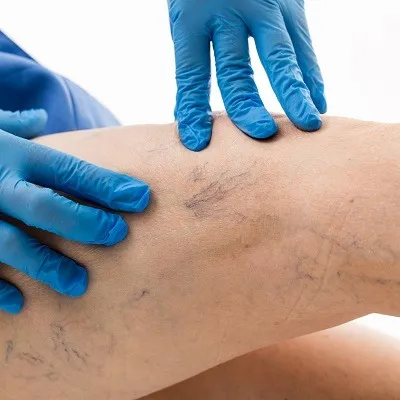
Spider veins are small, visible blood vessels that commonly appear on the legs and may look red, blue, or purple. Although they are often harmless, some individuals seek treatment because of their appearance or because they experience associated discomfort. Sclerotherapy is a commonly used medical procedure that targets selected veins to improve their visibility. Understanding the treatment process, suitability, and potential risks can help individuals make informed decisions about their vein care.
At EV Clinic Dubai, individuals can explore vein treatment options and learn whether sclerotherapy may be appropriate for their concerns. A professional assessment helps determine the nature of the visible veins and whether additional investigation is necessary before treatment.
Understanding Sclerotherapy in Dubai
Sclerotherapy In Dubai is a treatment in which a medical professional injects a sclerosing solution into selected veins. This solution irritates the inner lining of the targeted vessel, causing it to close gradually. Over time, the treated vein becomes less visible as the body naturally processes it.
Sclerotherapy is commonly used for spider veins and certain small varicose veins. The appropriate technique and solution depend on the size, location, and characteristics of the veins being treated.
Treatment planning should begin with a clinical assessment rather than focusing exclusively on cosmetic improvement. Some visible veins may be associated with underlying venous circulation problems, which may require further evaluation.
What Causes Spider Veins?
Spider veins can develop for several reasons, including genetic predisposition, ageing, hormonal changes, pregnancy, and prolonged periods of standing or sitting. They occur when small blood vessels become visible beneath the skin.
Although spider veins are frequently found on the legs, they can also appear on other areas of the body. Their presence does not necessarily indicate a serious medical condition, but associated symptoms should be assessed appropriately.
Common contributing factors include inherited susceptibility, changes in circulation, and increased pressure within superficial veins. Identifying relevant risk factors can help a healthcare professional recommend appropriate management and explain the possibility of future vein formation.
How Does Sclerotherapy Treatment Work?
Sclerotherapy Treatment in Dubai generally involves several stages, beginning with an assessment of the affected veins and the patient's medical history.
During treatment, the practitioner cleans the skin and injects a suitable sclerosing solution into the selected vessels using a fine needle. Multiple veins may be treated during one session, depending on the treatment plan and individual circumstances.
The procedure is usually performed without general anaesthesia. Patients may experience mild stinging, temporary discomfort, or a burning sensation during the injections.
Following treatment, walking may be encouraged, and compression stockings may be recommended depending on the clinical circumstances. The practitioner provides specific aftercare instructions to support recovery and help reduce complications.
Factors Affecting Sclerotherapy Cost in Dubai
The Sclerotherapy Cost In Dubai can vary according to several factors, including the number of veins requiring treatment, the size of the affected area, the complexity of the procedure, and the number of sessions needed.
An initial consultation may also influence the overall cost, particularly when additional assessments are necessary to determine the underlying cause of visible veins.
Patients should request a clear explanation of the proposed treatment plan and associated charges before proceeding. Understanding what is included in the treatment helps individuals compare options appropriately without relying solely on the lowest advertised price.
Benefits of Sclerotherapy for Spider Veins
Sclerotherapy offers several potential advantages for suitable patients. It is a minimally invasive procedure that generally does not require surgical incisions or general anaesthesia. Many treatments can be completed in an outpatient setting.
The procedure can reduce the visibility of selected spider veins and may improve the appearance of the treated area over time. Recovery is often relatively straightforward, although temporary bruising, swelling, or skin discoloration may occur.
Results vary according to the characteristics of the veins, the treatment method, and individual healing responses. Some people require multiple sessions, and new spider veins may develop even after successful treatment.
Who May Be Suitable for Sclerotherapy?
Sclerotherapy may be suitable for adults with selected spider veins or small superficial varicose veins who want to address their appearance or related symptoms.
Before recommending treatment, the medical professional should review the patient's medical history, medications, allergies, circulation concerns, and any history of blood clots. Pregnancy, certain medical conditions, and other individual factors may affect whether treatment should be postponed or avoided.
A clinical examination helps establish whether the visible vessels are appropriate for sclerotherapy. In some cases, an ultrasound examination may be recommended to investigate underlying venous reflux or other circulation problems.
Possible Risks and Side Effects
Although sclerotherapy is commonly performed, it is not entirely risk-free. Temporary side effects may include bruising, redness, swelling, itching, or tenderness around the injection sites. Brownish skin discoloration and the development of tiny new surface vessels can also occur.
Less common complications include inflammation, skin ulceration, allergic reactions, and blood clots. Serious complications are uncommon but require appropriate medical attention.
Patients should follow their practitioner's instructions and seek prompt assessment if they experience severe or worsening pain, significant swelling, unusual skin changes, or other concerning symptoms after treatment.
Recovery and Aftercare Following Sclerotherapy
Recovery depends on the extent of treatment and individual circumstances. Most patients can resume many everyday activities relatively soon, although strenuous exercise or certain activities may need to be limited temporarily according to medical advice.
Walking is often encouraged after treatment because movement supports circulation. Compression stockings may be recommended in selected cases, depending on the type of veins treated and the practitioner's protocol.
Patients should avoid assuming that the final cosmetic outcome will be immediate. Treated veins may take several weeks or longer to fade, and additional sessions may be necessary. Follow-up appointments allow the practitioner to assess progress and determine whether further treatment is appropriate.
Choosing EV Clinic Dubai for Vein Care
Choosing a vein treatment provider involves considering professional qualifications, clinical assessment, treatment suitability, and the availability of appropriate follow-up care.
At EV Clinic Dubai, individuals can discuss their concerns about spider veins and learn about available treatment approaches. A personalized consultation can help clarify the expected benefits, possible risks, recovery requirements, and likely treatment costs.
Patients should feel comfortable asking questions and receiving clear information before making a decision. The aim is to establish an appropriate treatment plan based on clinical needs and realistic expectations.
Frequently Asked Questions
Is sclerotherapy effective for spider veins?
Sclerotherapy can reduce the appearance of many spider veins. The degree of improvement depends on the type and extent of the veins, individual healing, and the number of sessions required.
How many sclerotherapy sessions may be needed?
Some patients achieve satisfactory improvement after one session, while others need multiple treatments. The number of sessions depends on the number, size, and distribution of the affected veins.
Is sclerotherapy painful?
Patients may experience mild stinging or temporary discomfort during injections. The level of discomfort varies, and the practitioner can explain what to expect before treatment.
How long does it take to see results?
Visible improvement develops gradually. Some treated veins may take several weeks to fade, while others require a longer period or additional treatment.
Can spider veins return after sclerotherapy?
Treated veins may become less visible or disappear, but new spider veins can develop over time. Individual risk factors and underlying venous conditions can influence recurrence.
Conclusion
Sclerotherapy is a minimally invasive option for treating selected spider veins and small superficial varicose veins. Understanding the procedure, expected results, recovery process, costs, and potential complications is essential when considering treatment.
At EV Clinic Dubai, a professional assessment can help individuals explore suitable vein care options and determine whether sclerotherapy aligns with their needs. A personalized approach, realistic expectations, and appropriate follow-up care support informed decisions about spider vein treatment.
