

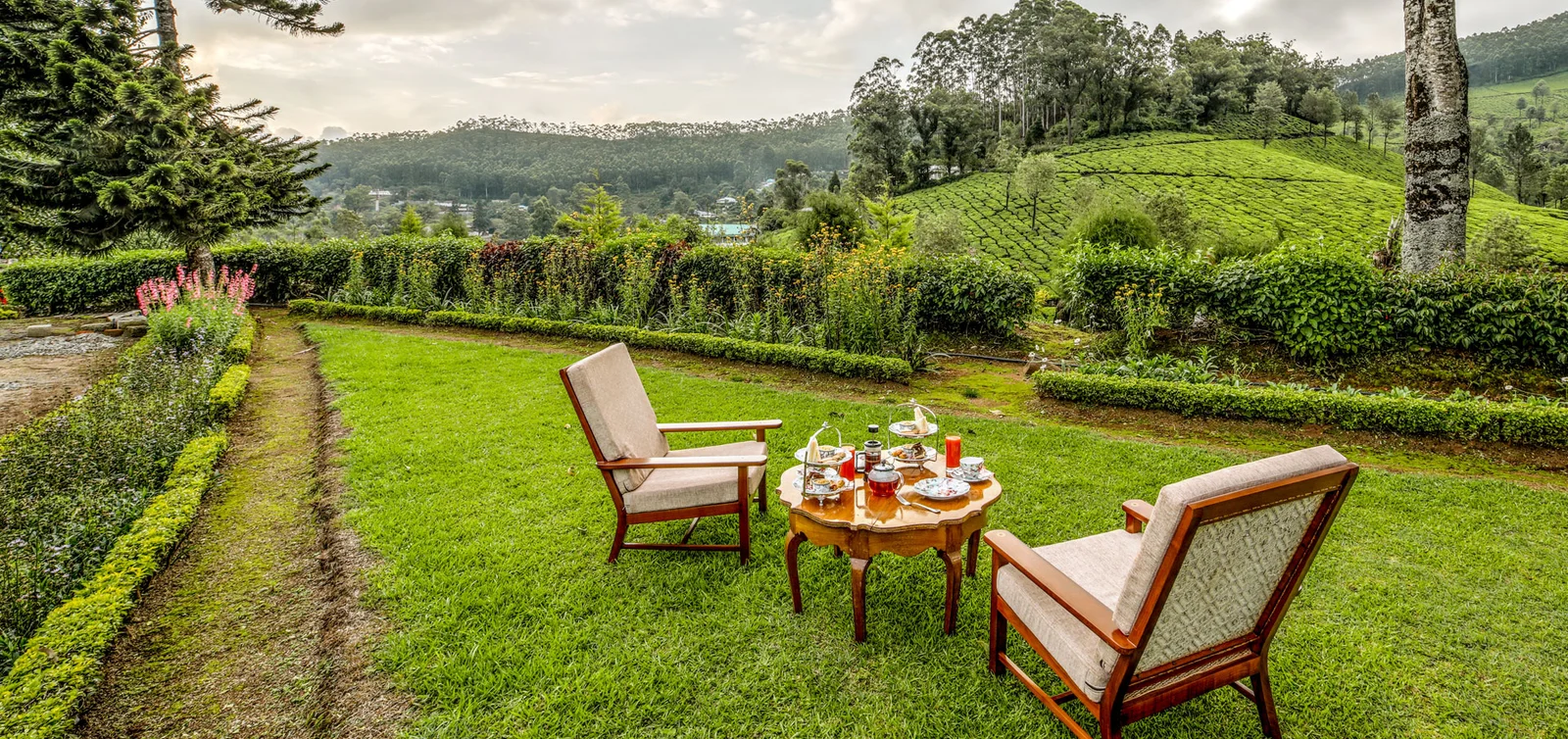

Traveling to India for the first time can be an exciting opportunity to discover historic landmarks, colorful markets, regional cuisines, and beautiful landscapes. However, preparing for an unfamiliar destination also involves making decisions about transportation, accommodation, sightseeing, and local customs. A thoughtful plan can help travelers avoid unnecessary complications and enjoy their time more fully. Connecting with an experienced India Travel Agent can be a useful way to organize travel arrangements, explore different destinations, and create an itinerary that matches personal interests and available time.
Research Your Destination Before Booking
India is a large country with considerable differences between regions. The climate, food, languages, cultural traditions, and transportation options can change significantly from one destination to another.
Before booking a holiday, decide which experiences matter most to you. If you enjoy historical attractions, you might consider Delhi, Agra, or Jaipur. Travelers interested in beaches and coastal scenery may prefer Goa, while those seeking greenery and backwater experiences could explore Kerala.
Researching destinations in advance helps you understand how much time you need and whether the places you want to visit fit into one itinerary. Instead of selecting locations only because they appear on popular travel lists, focus on destinations that suit your preferences.
Prepare Your Travel Documents Early
Travel documents are among the most important parts of international trip preparation. Check passport validity, visa requirements, entry conditions, and any documentation required for your particular nationality well before departure.
Keep digital copies of essential documents in a secure location, and carry the necessary originals when traveling. It is also helpful to maintain copies of hotel confirmations, flight details, and emergency contact information.
If your itinerary includes domestic flights or train journeys, confirm that the name on each booking matches your identification documents. Checking these details early can help prevent avoidable problems later.
Requirements can change, so use official government and airline information when confirming current travel rules.
Choose the Best Time for Your Journey
The ideal time to visit India depends on the regions you plan to explore and the activities you want to enjoy. Different parts of the country experience different weather patterns, so there is no single travel season that suits every destination.
Cooler months are often popular for sightseeing in several northern cities, while hill stations can provide a different experience depending on the season. Coastal destinations and southern regions may have distinct rainfall patterns that influence outdoor plans.
Before choosing travel dates, research the expected weather for each stop. Consider whether you prefer cooler sightseeing conditions, beach activities, cultural events, or quieter travel periods.
Booking around local festivals can add cultural interest to a holiday, but it may also mean larger crowds and higher accommodation demand. Planning ahead makes it easier to balance these considerations.
Organize Transportation in Advance
Transportation planning can make a major difference to the comfort of your trip. Depending on your itinerary, you may use domestic flights, trains, taxis, private cars, or local public transportation.
For long distances, domestic flights may save valuable time. Trains can be useful on suitable routes, while private vehicles offer flexibility for sightseeing and traveling between nearby towns.
Always consider the full journey rather than the distance alone. Traffic, road conditions, station transfers, and airport procedures can affect how long it takes to reach your destination.
If you arrive after a long international flight, arranging airport transportation in advance can make the first day easier. Keep some flexibility in your schedule in case of delays.
Select Accommodation Carefully
Your accommodation should support the type of holiday you want. India offers budget guesthouses, standard hotels, boutique properties, heritage accommodation, and luxury resorts.
When comparing options, look at location, cleanliness, recent guest reviews, cancellation policies, and available facilities. A property close to your main attractions may reduce daily travel time, while a quieter location could be better if relaxation is a priority.
Families should confirm room capacity and check whether suitable facilities are available for children. Travelers with specific accessibility needs should contact the property directly to confirm arrangements.
It is also sensible to review check-in times and transportation options before arrival, especially when reaching a destination late at night.
Experience Indian Food With Confidence
Food is an important part of exploring India's regional culture. Different areas are known for distinctive dishes, spices, cooking techniques, and ingredients.
Trying local cuisine can be one of the most enjoyable parts of a holiday. You might explore regional vegetarian dishes, freshly prepared breads, rice specialties, or traditional desserts.
If you have food allergies or dietary restrictions, communicate them clearly before ordering. Travelers who are unfamiliar with local food may prefer to begin with familiar dishes and gradually try new options.
Pay attention to food hygiene, choose freshly prepared meals from reputable establishments, and drink water from a safe source. Carrying any necessary medication and knowing how to contact local medical services can also provide peace of mind.
Respect Local Customs and Traditions
Understanding local customs helps travelers feel more comfortable and interact respectfully with residents. India has a wide range of religious and cultural practices, and expectations may differ between locations.
When visiting religious sites, follow local instructions and any dress requirements. Some places require visitors to remove their shoes, while others have restrictions on photography or access to particular areas.
Ask permission before photographing people, respect queues, and be considerate in crowded public spaces. Learning a few common greetings can also make everyday interactions more pleasant.
Markets and local neighborhoods offer opportunities to observe daily life, but travelers should remain aware of their surroundings and keep personal belongings secure.
Create a Budget That Covers More Than Hotels
A realistic travel budget should include all the major costs associated with your journey. Flights and accommodation are important, but transportation, meals, entrance tickets, shopping, and optional activities can add considerably to the total.
Create a simple budget before booking and set aside additional funds for unexpected expenses. Compare packages carefully to determine whether airport transfers, guided sightseeing, meals, and attraction tickets are included.
Travel insurance may also be worth considering, depending on your circumstances and the coverage offered. Review policy terms and exclusions before purchasing.
Avoid choosing every service solely because it has the lowest price. Reliable transportation, suitable accommodation, and clear booking conditions can contribute significantly to a comfortable holiday.
Leave Time for Unexpected Discoveries
A successful itinerary should provide structure without making every hour feel scheduled. Leave room for relaxing meals, exploring a local market, visiting a small museum, or enjoying a scenic viewpoint that was not part of the original plan.
First-time visitors sometimes attempt to cover too many destinations in a short period. This can lead to long travel days and limited time at the places they have traveled so far to see.
Choose a manageable route and give each destination enough attention. If an attraction takes longer to explore than expected, having a flexible schedule makes it easier to adjust the rest of the day.
Conclusion
A first visit to India becomes easier to manage when the important details are organized before departure. Research your destinations, confirm travel documents, choose suitable accommodation, and make transportation arrangements that fit your schedule.
Pay attention to weather, local customs, food safety, and your overall budget. At the same time, remain open to discovering new places and experiences along the way.
With realistic planning and enough flexibility, travelers can enjoy India's historic cities, regional cuisine, cultural traditions, and diverse landscapes while making their holiday more comfortable and memorable.
