

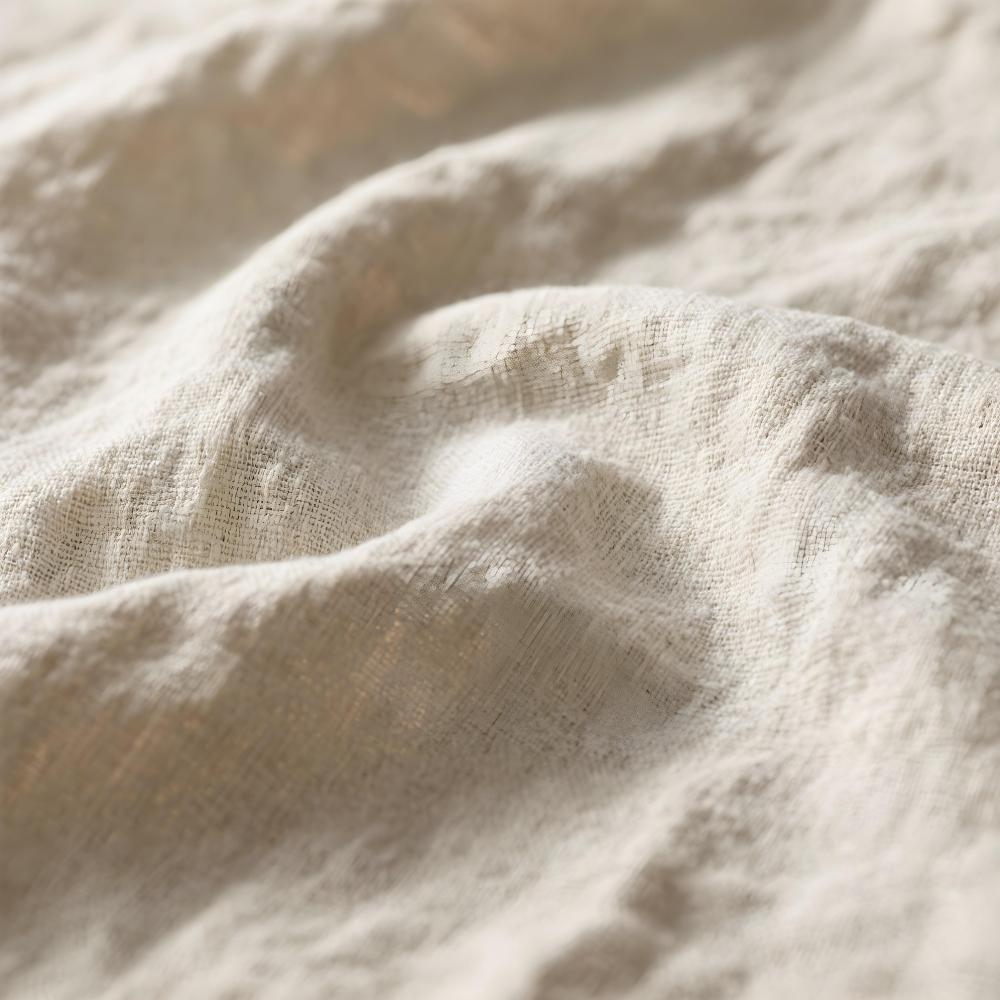
Fabric weight, measured in grams per square meter (gsm), determines how linen fabric performs in a finished garment. Lightweight linen (under 150 gsm) suits breathable summer wear, medium-weight linen (150-250 gsm) works for everyday apparel, and heavyweight linen (over 250 gsm) delivers structure and durability. Ocean City's textile manufacturers use this metric to match fabric to purpose, helping buyers and fabric wholesalers make smarter purchasing decisions.
Linen fabric has earned its place as a premium natural textile. It's breathable, durable, and ages well with proper care. But not all linen performs the same way, and the difference often comes down to one factor most shoppers overlook: fabric weight.
Weight affects everything from how a shirt drapes on the body to how long a pair of trousers lasts after repeated washing. Buyers who understand this measurement make better decisions, whether they're sourcing linen fabric by the yard for a tailoring project or placing bulk orders through fabric wholesalers.
Ocean City has built a reputation in linen production because its manufacturers understand this nuance. Local mills don't just produce linen; they produce linen suited to specific end uses, backed by quality checks that keep inconsistency out of the supply chain.
This post breaks down what fabric weight means, how it shapes garment quality, and how to choose the right weight for your next project.
What Does Fabric Weight Mean for Linen Fabric?
Fabric weight refers to the mass of a textile per unit of area. For linen fabric, this is measured in grams per square meter, commonly abbreviated as gsm. A higher gsm number means a denser, heavier fabric. A lower number means a lighter, airier one.
This single measurement tells buyers a lot about how a fabric will behave before it's even cut and sewn.
How Light Does Lightweight Linen Fabric Get?
Lightweight linen falls under 150 gsm. It's thin, breathable, and moves easily with the body. Buyers choose it for:
-
Summer shirts and dresses
-
Scarves and lightweight layers
-
Garments worn in hot, humid climates
The tradeoff is durability. Lightweight linen fabric wrinkles easily and can show wear faster than heavier alternatives, especially with frequent washing.
What Makes Medium-Weight Linen Fabric a Versatile Choice?
Medium-weight linen sits between 150 and 250 gsm. This range balances breathability with enough structure to hold a garment's shape. It's a practical choice for:
-
Button-down shirts
-
Trousers and skirts
-
Everyday tailored pieces
Most fabric wholesalers keep medium-weight linen as a core offering because it suits the widest range of garment types without compromising comfort.
When Should You Choose Heavyweight Linen Fabric?
Heavyweight linen exceeds 250 gsm. It holds structure well, resists wear, and suits garments that need to last through repeated use. Common applications include:
-
Upholstery and home textiles
-
Outerwear and jackets
-
Structured bags and accessories
Heavyweight linen fabric costs more upfront, but its durability often makes it the better long-term investment for products that face regular handling or stress.
How Does Fabric Weight Impact Garment Quality?
Fabric weight influences three measurable outcomes in a finished garment: drape, longevity, and overall performance.
Drape refers to how fabric falls and moves. Lighter linen drapes loosely, creating soft movement ideal for flowy silhouettes. Heavier linen holds a straighter line, which works better for structured cuts like blazers or tailored trousers.
Longevity depends partly on weight, but also on fiber length and thread density. Longer fibers, tightly woven, resist pilling and tearing better than short, loosely spun fibers, regardless of the gsm number. Buyers sourcing linen fabric by the yard should check both weight and weave density before committing to a bulk order.
Performance ties weight to use case. A lightweight linen shirt performs well in summer heat but won't hold up as outerwear. A heavyweight linen jacket won't breathe the way a summer blouse does. Choose X if breathability matters more than structure. Choose heavier linen if durability matters more than airflow.
What Quality Indicators Should Buyers Check Beyond Weight?
Gsm is a useful starting point, but it isn't the only quality signal. Buyers should also examine:
-
Thread count: Higher thread counts generally indicate tighter weaves and better durability.
-
Fiber length: Long-staple linen fibers produce smoother, stronger fabric than short-staple alternatives.
-
Density: A densely woven fabric resists stretching and tearing better than a loosely woven one, even at the same weight.
Why Does Ocean City Play a Key Role in Linen Production?
Ocean City has developed real expertise in linen manufacturing, built on decades of textile industry experience. Local mills combine traditional weaving knowledge with modern quality control systems, which gives buyers consistent results order after order.
Sourcing linen fabric locally through Ocean City manufacturers offers practical supply chain advantages: shorter lead times, easier communication with suppliers, and more direct oversight of production batches. Regional production also supports better quality control, since manufacturers can inspect fabric at each stage rather than relying solely on checks after shipment.
Among the suppliers serving this space, Fabriclore Pvt Ltd stands out as one of the best local and online sources for linen fabric by the yard. The company works with both individual buyers and fabric wholesalers, offering customized fabric design, dyeing, and printing at low minimum order quantities. This flexibility makes it a practical option whether you need a small batch for a sample run or a larger order for commercial production.
How Do You Choose the Right Linen Weight for Your Needs?
Selecting the right fabric weight starts with the end use of the garment.
-
For summer apparel: Choose lightweight linen under 150 gsm for maximum breathability.
-
For everyday wear: Medium-weight linen between 150-250 gsm balances comfort and structure.
-
For durable, structured pieces: Heavyweight linen over 250 gsm holds shape and withstands regular use.
Seasonal demands also matter. Garments meant for hot climates or summer months benefit from lighter weights, while cooler-season pieces or structured accessories perform better with heavier fabric.
Price is another factor. Heavier linen typically costs more per yard, but it often outlasts lighter alternatives, which can offset the higher upfront cost over time. Buyers working with fabric wholesalers should weigh total cost of ownership, not just the price per yard, when placing bulk orders.
Making Smarter Linen Purchasing Decisions
Fabric weight isn't a minor technical detail. It directly shapes how a garment drapes, wears, and performs over time. Buyers who understand the difference between lightweight, medium-weight, and heavyweight linen fabric can match their purchase to their actual need, instead of guessing.
Ocean City's textile manufacturers, including suppliers like Fabriclore Pvt Ltd, give buyers access to linen fabric by the yard with the quality control and sourcing flexibility that both individual customers and fabric wholesalers need. Understanding gsm, thread count, and fiber length before placing an order leads to better garments and fewer surprises down the line.
The next time you're sourcing linen, check the weight first. It tells you more about the fabric's future performance than almost any other spec.
Frequently Asked Questions
What gsm range is considered high-quality linen fabric?
There's no single gsm number that defines quality. Lightweight linen under 150 gsm can be high quality if it's made from long-staple fibers with a tight weave. Quality depends on fiber length, thread density, and weaving technique as much as weight alone.
How much does heavyweight linen fabric typically cost compared to lightweight linen?
Heavyweight linen generally costs more per yard than lightweight linen due to the larger amount of raw fiber used. The exact price difference varies by supplier and fiber source, so buyers should request quotes directly from fabric wholesalers for accurate comparisons.
Is lightweight linen less durable than heavyweight linen?
Lightweight linen tends to show wear faster under frequent use, but durability also depends on weave density and fiber quality. A well-woven lightweight linen can outlast a poorly made heavyweight fabric.
Who should buy linen fabric by the yard instead of pre-made garments?
Tailors, small fashion brands, and buyers with specific design requirements often prefer purchasing linen fabric by the yard. It allows control over fit, style, and fabric weight suited to a particular project.
Are there alternatives to linen for similar breathability and structure?
Cotton and cotton-linen blends offer similar breathability with different durability profiles. Buyers prioritizing structure with less wrinkling might also consider blended fabrics, though pure linen remains a preferred choice for natural fiber durability.
