

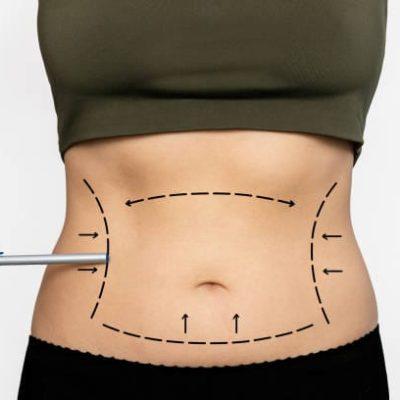
Liposuction surgery is a cosmetic procedure designed to remove stubborn fat deposits and improve body contours. For people considering Liposuction Surgery in Dubai, the consultation is an important first step in understanding the procedure, assessing suitability, and developing realistic expectations. A consultation is not simply about choosing the areas for treatment. It also involves reviewing medical history, discussing personal goals, evaluating body characteristics, and understanding the potential risks.
Knowing what happens during a liposuction consultation at Tajmeels Clinic can help patients feel more prepared and confident before making a decision about surgery.
Understanding Your Goals and Expectations
The consultation usually begins with a discussion about why you are considering liposuction. You may want to address fat deposits around the abdomen, thighs, hips, arms, back, or other areas that have not responded as expected to diet and exercise.
Your goals help the medical professional understand what you hope to achieve. Some patients want more defined body contours, while others wish to improve the balance between different body areas.
It is important to remember that liposuction is a body-contouring procedure rather than a primary weight-loss treatment. It cannot guarantee a particular body shape or eliminate every visible irregularity. Discussing your expectations openly helps establish whether the procedure may be appropriate for your needs.
Reviewing Your Medical History
A medical history review is an essential part of a liposuction consultation. Before recommending surgery, the medical team needs to understand your overall health and identify factors that could influence surgical safety or recovery.
You may be asked about:
-
Existing medical conditions, including heart or circulatory problems.
-
Previous surgeries and experiences with anaesthesia.
-
Current medications, vitamins, and supplements.
-
Allergies and any history of bleeding or blood-clotting problems.
-
Smoking, vaping, and alcohol consumption.
-
Previous weight changes and relevant treatment history.
Be honest when answering these questions. Certain medications may affect bleeding, while smoking can interfere with healing. Never stop prescribed medication without instructions from your treating healthcare professional.
Depending on your medical history, additional examinations, laboratory tests, or specialist assessments may be necessary before surgery can be considered.
Physical Examination and Body Assessment
Another important stage is the physical assessment. The medical professional may evaluate the areas you want to treat, the distribution of fat, skin elasticity, and the overall proportions of your body.
Skin quality matters because liposuction removes fat but does not reliably tighten significantly loose skin. Patients with reduced skin elasticity may experience residual looseness after fat removal and might need to discuss alternative or additional procedures.
The assessment also helps identify asymmetry, existing scars, and other anatomical characteristics that could affect the treatment plan. Photographs or body measurements may be used when clinically appropriate to support planning and evaluate changes later.
Your suitability should be determined through an individual assessment rather than assumptions based solely on age, body weight, or appearance.
Discussing the Liposuction Technique
Once your goals and physical characteristics have been reviewed, the consultation may include a discussion of suitable surgical approaches.
Different liposuction techniques use different methods to loosen and remove fat. The most appropriate approach depends on the treatment area, the amount and distribution of fat, your anatomy, your health, and the surgeon's clinical judgment.
You can ask why a particular technique is being considered and whether alternatives may be suitable. It is also helpful to discuss the likely extent of treatment, expected limitations, and whether more than one session or a different procedure might be recommended.
A responsible treatment plan should explain what the procedure can reasonably achieve without promising perfect symmetry or guaranteed results.
Understanding Risks, Anaesthesia, and Safety
Liposuction is surgery, so understanding potential complications is an essential part of informed consent. Possible risks include swelling, bruising, infection, bleeding, fluid accumulation, contour irregularities, changes in sensation, and complications associated with anaesthesia. More serious complications, although less common, can also occur.
During the consultation, ask about the safety measures used before, during, and after surgery. These may include preoperative testing, appropriate anaesthesia planning, infection prevention, and postoperative monitoring.
The medical team should explain how your personal health may influence these risks and what warning signs require urgent medical attention. You should have enough time to ask questions and consider the information before agreeing to surgery.
Reviewing Recovery and Aftercare
Recovery planning is another key part of the consultation. The time required to return to normal activities varies according to the treatment area, the extent of surgery, and individual healing.
Your medical team may discuss compression garments, activity restrictions, wound care, follow-up appointments, and strategies for managing postoperative discomfort. You should also ask when you can safely return to work, exercise, driving, and other daily activities.
Swelling and bruising are common after liposuction, and the final body contours may take several months to become apparent. Following postoperative instructions and attending scheduled reviews can help the medical team monitor your progress and identify complications early.
Before surgery, arrange practical support if needed, especially for transportation and assistance during the initial recovery period.
How Tajmeels Clinic Approaches Liposuction Consultations
At tajmeels clinic dubai, patients considering liposuction should use the consultation to discuss their body-contouring goals, medical background, treatment expectations, and questions about the procedure. An individualised assessment helps establish whether liposuction may be suitable and what further examinations or preparation could be required.
Patients should ask about the proposed technique, expected outcomes, possible complications, recovery arrangements, and follow-up care. The purpose of the consultation is to support an informed decision based on personal needs and clinical suitability rather than choosing surgery based on appearance alone.
Before proceeding, ensure that the treating surgeon's qualifications, the facility's appropriate licensing, and the arrangements for anaesthesia and postoperative care have been clearly explained.
Questions to Ask During Your Liposuction Consultation
Preparing questions in advance can make your appointment more useful. Consider asking:
-
Am I a suitable candidate for liposuction surgery?
-
Which areas could be treated safely in my situation?
-
What results are realistic for my body type?
-
Could loose skin affect the outcome?
-
What complications should I understand before surgery?
-
How long might my recovery take?
-
What follow-up appointments and aftercare will I need?
Clear answers help you compare your options and decide whether the procedure aligns with your goals and health needs.
Making an Informed Decision About Liposuction in Dubai
A liposuction consultation provides an opportunity to understand the procedure before committing to surgery. Reviewing your medical history, assessing your body contours, discussing treatment options, and learning about risks and recovery all contribute to responsible decision-making.
If you are considering liposuction surgery in Dubai, take time to evaluate the information provided, ask questions, and ensure your expectations are realistic. The most appropriate treatment plan is one that prioritises your health, individual anatomy, safety, and long-term satisfaction.
More Information
Tajmeels Clinic Dubai
WhatsApp: +971 56 203 8751
Phone: tel:+971 43739000
Social Media:
