

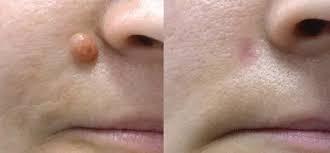

Mole Removal in Dubai are common skin growths that can appear anywhere on the body. Most moles are harmless, but changes in their appearance, size, colour, or texture may sometimes indicate an underlying skin problem that requires medical attention. Knowing when to get a mole checked by a dermatologist is important for protecting your skin and identifying potential concerns early.
Whether you have noticed a new mole, an existing mole that looks different, or a growth that causes irritation, a professional skin examination can help determine the appropriate next steps. In Dubai, where sun exposure is a regular consideration, understanding mole changes and maintaining awareness of skin health are particularly important.
What Are the Warning Signs That a Mole Needs Checking?
A mole should be assessed by a dermatologist if it develops unusual characteristics or changes over time. One useful guide is the ABCDE rule, which helps people recognize features that may require medical evaluation.
-
A – Asymmetry: One half of the mole looks different from the other.
-
B – Border: The edges appear irregular, blurred, or uneven.
-
C – Colour: The mole contains several colours or develops new shades, such as black, red, or blue.
-
D – Diameter: The mole is larger than approximately 6 millimetres, although concerning melanomas can also be smaller.
-
E – Evolving: The mole changes in size, shape, colour, elevation, or other characteristics.
These signs do not automatically mean that a mole is cancerous. However, they indicate that a professional assessment may be necessary. A mole that looks noticeably different from your other moles should also be evaluated.
Should You Get a New Mole Checked?
New moles can develop throughout life, although they are especially common during childhood and adolescence. Adults can also develop new pigmented spots, but a new or changing mole later in life deserves particular attention.
Arrange a dermatology appointment if a new mole appears unusual, grows quickly, changes colour, or looks different from your existing moles. A new spot that develops after age 30 should be discussed with a dermatologist, especially if it has irregular features.
Not every new spot is a mole. Some skin conditions, including age-related pigmentation and other benign growths, can look similar. A dermatologist can examine the affected area and determine whether further investigation is needed.
When Do Itching, Bleeding, or Pain Require Medical Attention?
A mole that repeatedly bleeds, forms a crust, becomes persistently itchy, or causes unexplained discomfort should not be ignored. These symptoms can occur for different reasons, including friction from clothing, accidental injury, inflammation, or skin disease.
However, persistent symptoms may also indicate a more serious problem. Seek medical evaluation if a mole develops an open sore, bleeds without a clear injury, becomes tender, or fails to heal.
If bleeding is heavy or does not stop with gentle, continuous pressure, seek urgent medical care. Avoid scratching, cutting, burning, or applying unverified removal products to the mole. Home removal can cause infection, scarring, and delays in diagnosing potentially serious skin conditions.
How Often Should You Have Your Moles Examined?
There is no single examination schedule suitable for everyone. The frequency of professional skin checks depends on personal risk factors, medical history, and the appearance of existing moles.
People who may benefit from closer monitoring include those with:
-
A personal history of melanoma or other skin cancers.
-
Close relatives who have had melanoma.
-
Numerous moles or several atypical-looking moles.
-
A history of significant sunburn or substantial ultraviolet exposure.
-
Changes in previously stable moles.
Your dermatologist can recommend an appropriate follow-up schedule based on your individual circumstances. Between appointments, becoming familiar with your skin can help you notice changes earlier.
What Happens During a Dermatologist's Mole Examination?
A dermatologist generally begins by asking when the mole appeared, whether it has changed, and whether you have experienced symptoms. They may also ask about your medical history, family history of skin cancer, sun exposure, and previous skin treatments.
The clinician then examines the mole and surrounding skin. A handheld instrument called a dermatoscope may be used to assess structures and pigmentation that are difficult to see with the naked eye.
If the mole appears suspicious, the dermatologist may recommend a biopsy or complete removal for laboratory examination. The tissue sample helps establish a diagnosis. The appropriate approach depends on the mole's characteristics and the clinician's assessment.
Importantly, cosmetic removal should not be performed before a suspicious mole has been appropriately evaluated. Laser treatment or other destructive techniques may prevent proper tissue examination when a biopsy is necessary.
Does Every Mole Need to Be Removed?
No. Most ordinary moles do not require removal if they are harmless and remain stable. A dermatologist may recommend observation rather than treatment when there is no medical concern.
Removal may be considered when a mole is suspicious, repeatedly irritated, uncomfortable, or cosmetically concerning. The recommended method depends on the mole's depth, location, appearance, and whether laboratory analysis is required.
Patients should also understand that removal can leave a scar or cause temporary changes in skin pigmentation. Healing varies according to the treatment method, body location, skin characteristics, and aftercare.
A professional assessment helps balance cosmetic goals with medical safety.
Mole Assessment at Tajmeels Clinic in Dubai
At tajmeels clinic dubai, patients considering mole removal in Dubai can discuss their skin concerns and the available treatment options during a consultation. An individualized assessment is important for understanding the mole's appearance, location, and the patient's expectations before planning a cosmetic procedure.
Where a mole has suspicious features, appropriate medical evaluation and referral for dermatological assessment or biopsy should take priority over cosmetic treatment. Patients should ask whether the proposed procedure allows tissue to be examined when medically indicated and what follow-up care may be required.
Choosing a qualified professional and understanding the limitations, potential scarring, and healing process can help patients make informed decisions about their skin.
How Can You Protect Your Skin Between Appointments?
Regular skin awareness and sun protection are useful parts of everyday skin care. Use broad-spectrum sunscreen with SPF 30 or higher, reapply it as directed, wear protective clothing, and seek shade when ultraviolet exposure is high.
Check your skin periodically in a well-lit area, paying attention to the face, scalp, back, arms, legs, and other areas that may be difficult to see. A mirror or assistance from someone you trust can help you examine less visible areas.
Keep track of noticeable changes, but do not rely on photographs or self-examination to diagnose a suspicious mole. Arrange a professional assessment whenever something appears unusual.
Conclusion
Knowing when to get a mole checked by a dermatologist can help you respond appropriately to changes in your skin. New or evolving moles, irregular borders, unusual colours, persistent itching, and unexplained bleeding all deserve attention. Although many moles are harmless, only a suitable medical assessment can determine whether further investigation is necessary.
If you are considering mole removal in Dubai, prioritize medical evaluation before cosmetic treatment, especially when a mole has changed or developed unusual symptoms. Early assessment supports informed decisions and helps ensure that potentially serious skin conditions are not overlooked.
More Information
Tajmeels Clinic Dubai
WhatsApp: +971 56 203 8751
Phone: tel:+971 43739000
Social Media:
