

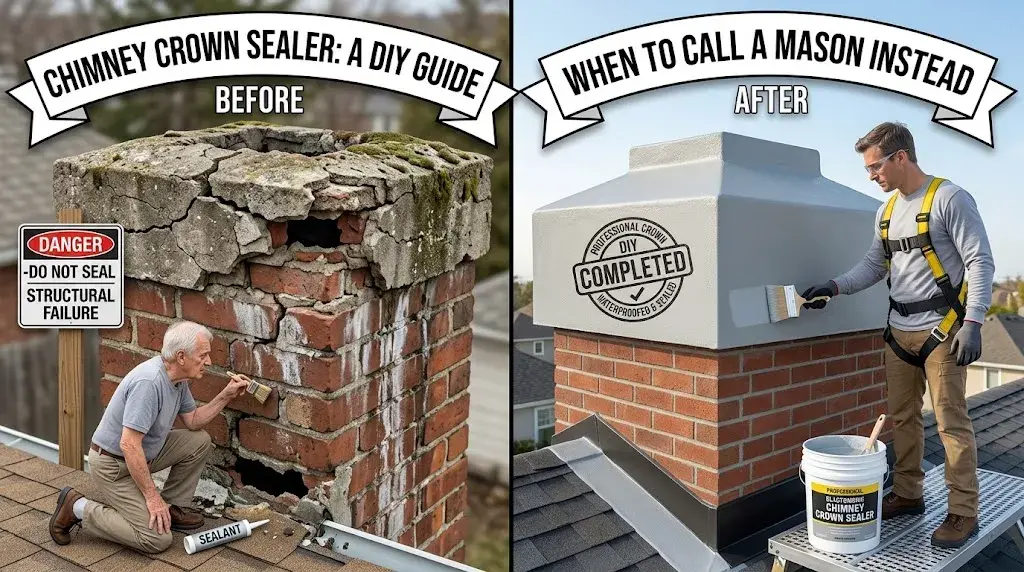

A brick chimney adds timeless character to a home, but constant exposure to rain, wind, moisture, and changing temperatures can gradually weaken its structure. Two important components that deserve regular attention are the chimney bricks and the chimney crown. While bricks form the main masonry structure, the crown helps protect the top of the chimney from water penetration and weather-related deterioration. When either component becomes damaged, moisture can enter the masonry, mortar joints may weaken, and repair costs can increase. Understanding how these elements work together helps homeowners recognize early warning signs and maintain a safer, more durable chimney.
Why Chimney Bricks Need Regular Maintenance
Chimney bricks are designed to withstand outdoor conditions, but they are not immune to deterioration. Over time, repeated exposure to moisture and temperature changes can cause cracks, surface flaking, and other forms of damage.
When water enters porous bricks or deteriorated mortar joints, it can contribute to gradual material breakdown. In colder conditions, trapped moisture may freeze and expand, increasing the risk of cracking and surface damage.
Regular maintenance helps identify these issues before they affect larger sections of the chimney. Homeowners should watch for loose bricks, missing mortar, visible cracks, and white powdery deposits on the masonry surface.
Professional masonry repairs may involve replacing damaged bricks, repointing deteriorated mortar joints, or addressing the source of moisture. Selecting compatible materials is important because unsuitable mortar or replacement bricks can contribute to additional deterioration.
What Is a Chimney Crown and Why Does It Matter?
The chimney crown is the protective surface at the top of a masonry chimney, surrounding the flue opening. It is generally designed to direct water away from the chimney structure and reduce the amount of moisture entering the masonry.
A properly constructed crown typically has a sloped surface and suitable overhang or drip edge to help water drain away from the bricks below. Its condition plays an important role in protecting the upper sections of the chimney.
Over time, exposure to harsh weather and natural aging can cause the crown to crack, deteriorate, or develop gaps. Once these defects appear, rainwater may penetrate the structure and damage nearby bricks and mortar.
Regular inspection helps identify crown deterioration early, allowing homeowners to arrange appropriate repairs before moisture affects a larger area.
Common Signs of Chimney Crown Damage
Recognizing crown problems early can help prevent unnecessary masonry repairs. Several warning signs deserve attention.
1. Visible cracks: Small cracks may develop as the crown ages or experiences temperature changes. Even narrow openings can allow water to enter, so their condition should be assessed professionally.
2. Crumbling or flaking material: Surface deterioration may indicate weather damage or prolonged moisture exposure. Extensive deterioration can compromise the crown's protective function.
3. Water stains inside the home: Damp patches near the fireplace, attic, or ceiling may indicate a chimney leak. The crown is one possible source, although flashing and other components should also be examined.
4. Damaged edges or missing sections: Broken crown edges may allow water to reach the underlying masonry more easily.
5. Deteriorating upper bricks: If bricks near the top of the chimney are cracking or losing their surface, water entering through a defective crown may be contributing to the damage.
A professional assessment can establish whether crown repair, replacement, or additional masonry work is necessary.
How Professional Chimney Crown Repair Works
The correct repair method depends on the crown's construction, the extent of deterioration, and the condition of the surrounding masonry.
For minor damage, a qualified contractor may be able to repair suitable cracks using compatible materials. More extensive deterioration may require rebuilding or replacing the crown.
A typical repair process includes examining the crown and surrounding bricks, identifying moisture entry points, removing loose or damaged material where necessary, and applying appropriate repair materials. The finished surface should support effective drainage and provide suitable protection against water penetration.
Simply applying a surface coating over a severely damaged crown may not resolve the underlying problem. Repair materials must also be appropriate for the existing construction and exposure conditions.
Protecting Chimney Bricks from Moisture Damage
Even when the crown is in good condition, other parts of the chimney may remain vulnerable to water penetration. Deteriorated mortar, damaged flashing, and cracked bricks can all allow moisture to enter the masonry.
To protect chimney bricks, homeowners should arrange periodic inspections and address visible deterioration promptly. Repointing can restore weakened mortar joints, while replacing severely damaged bricks can help maintain the integrity of the structure.
Roof flashing should also be checked because it seals the junction between the chimney and the roof. If flashing becomes loose or damaged, water may enter the building even when the crown is intact.
Avoid applying waterproofing products without professional advice. Some coatings may interfere with the masonry's ability to release moisture, potentially worsening existing problems.
When Should You Schedule Chimney Repairs?
The best time to arrange repairs is as soon as signs of deterioration appear. Waiting until bricks become loose or water enters the home can increase the amount of work required.
A professional inspection is particularly important when you notice substantial cracks, missing mortar, recurring water stains, or visible changes in the chimney's alignment. If the chimney appears unstable or masonry is falling, keep people away from the affected area and seek prompt professional assistance.
For chimneys connected to active fireplaces or heating appliances, maintenance should also consider the condition of the flue and other components affecting safe operation. An appropriate inspection schedule depends on the chimney's age, condition, usage, and exposure to weather.
Keep Your Chimney Strong with Preventive Maintenance
Maintaining both the chimney bricks and the chimney crown is essential for protecting a masonry chimney against moisture and long-term deterioration. The crown helps direct water away from the structure, while sound bricks and mortar provide the strength needed to maintain the chimney's integrity.
By arranging regular inspections, repairing cracks promptly, and using compatible materials, homeowners can reduce the risk of extensive damage and preserve their property's appearance.
If you notice damaged bricks, crumbling mortar, or cracks in the crown, consider arranging a professional assessment. Addressing these problems early can help extend the chimney's service life, improve weather resistance, and prevent minor defects from developing into expensive restoration projects.
