

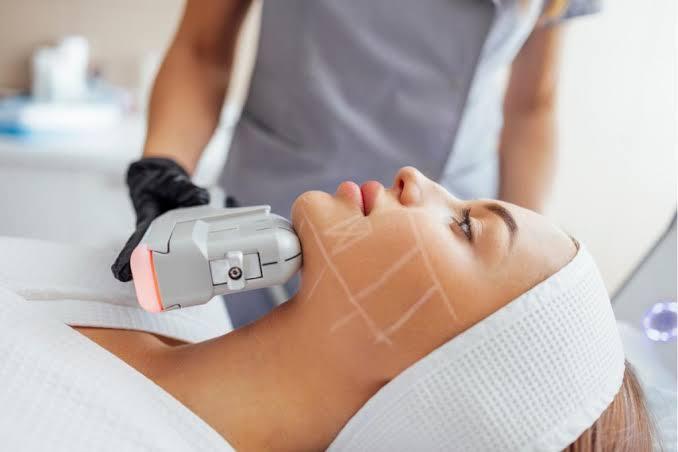
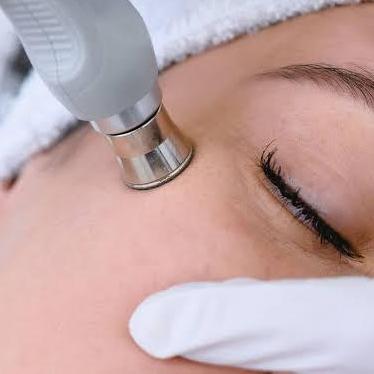
High-Intensity Focused Ultrasound (HIFU) is a non-invasive treatment that uses focused ultrasound energy to support skin tightening and improve the appearance of mild skin laxity. Understanding the factors behind HIFU Treatment Cost in Dubai includes looking at the body area being treated, its size, and the condition of the skin. At Dynamic Clinic in Dubai, this topic is relevant for people exploring how treatment areas and individual skin needs influence the overall treatment plan.
How Does the Treatment Area Influence HIFU?
The body area plays an important role in planning HIFU treatment because different regions have different skin thicknesses, contours, and levels of laxity. A small, clearly defined area may require a different approach from a larger region that needs more extensive coverage.
Practitioners generally consider three main factors when assessing a treatment area:
-
Surface area: Larger regions may require more treatment lines or pulses to cover the skin evenly.
-
Skin condition: The degree of looseness and the presence of fine lines can affect the treatment approach.
-
Anatomy: Skin thickness, underlying structures, and the shape of the treatment area influence how ultrasound energy is delivered.
These differences help explain why treatment plans are usually tailored to the individual rather than based on a single standard approach.
Which Facial Areas May Require Different Considerations?
Facial HIFU is commonly considered for areas where mild skin laxity affects definition or firmness. Each facial region has distinct anatomical features that influence treatment planning.
Jawline and Lower Face
The jawline and lower face are often assessed when skin begins to lose definition. Treatment planning may focus on selected areas where laxity is visible, while taking care around sensitive anatomical structures.
Cheeks and Midface
The cheeks may be treated to address certain signs of skin laxity. Skin thickness, facial volume, and the location of the treatment lines can influence the approach. People with significant facial volume loss may need a different assessment because tightening does not replace lost fat or restore volume.
Forehead and Brow Area
The forehead and brow region require careful planning because the skin is relatively thin and important structures are nearby. Treatment suitability depends on the intended outcome, anatomy, and the device's approved treatment guidelines.
Under the Chin
The area beneath the chin may be assessed when mild laxity affects the appearance of the jawline. Skin looseness and the amount of underlying fat are important considerations because HIFU is not a substitute for every type of fat-reduction or surgical procedure.
How Do Neck and Body Areas Differ?
HIFU is not limited to the face. Depending on the device and its approved uses, it may also be considered for selected areas of the neck and body.
Neck: The neck has delicate skin and important underlying structures. Treatment requires careful assessment of skin laxity, anatomy, and suitability.
Upper arms: Mild skin looseness around the upper arms may be assessed for selected tightening approaches. The size of the area and the degree of laxity help determine the treatment plan.
Abdomen: The abdominal area is larger than most facial regions. Its skin condition, surface area, and extent of laxity may affect the number of treatment lines required.
Thighs: The inner or outer thighs may be considered in selected cases. The size of the region, skin thickness, and treatment goals influence whether HIFU is appropriate.
Not every HIFU device is cleared or intended for every body area. The device's approved indications and the individual's anatomy should guide treatment decisions.
Does Skin Condition Matter More Than Body Size?
Body size is only one part of treatment planning. Two people seeking treatment in the same area may need different approaches because their skin conditions and goals are not identical.
Important considerations include:
-
The severity of skin laxity.
-
Skin thickness and tissue composition.
-
Previous cosmetic procedures in the same area.
-
The desired degree of improvement.
-
Medical history and factors affecting treatment suitability.
HIFU results also vary between individuals. The treatment stimulates responses in deeper tissue, including processes associated with collagen remodelling, but it cannot guarantee a particular degree of tightening.
What Should Be Discussed Before Choosing a Treatment Area?
A proper assessment helps establish whether HIFU is suitable and which regions may reasonably respond. Useful questions include:
-
Is the selected area appropriate for the specific HIFU device?
-
What degree of improvement is realistic for the current skin condition?
-
How many treatment lines or sessions might be recommended?
-
What side effects or recovery considerations apply to this area?
-
Are alternative treatments more appropriate for the concern?
These questions encourage informed decisions and help ensure that the treatment plan reflects individual needs rather than assumptions based only on body area.
Conclusion
The body areas that can affect HIFU treatment planning include the jawline, cheeks, forehead, under-chin region, neck, upper arms, abdomen, and thighs, depending on the device and its approved uses. Surface area, skin laxity, tissue characteristics, and anatomical differences all influence the approach. A qualified assessment can help determine whether HIFU is appropriate for a particular region, what outcomes may be realistic, and which treatment considerations deserve attention before proceeding.
