

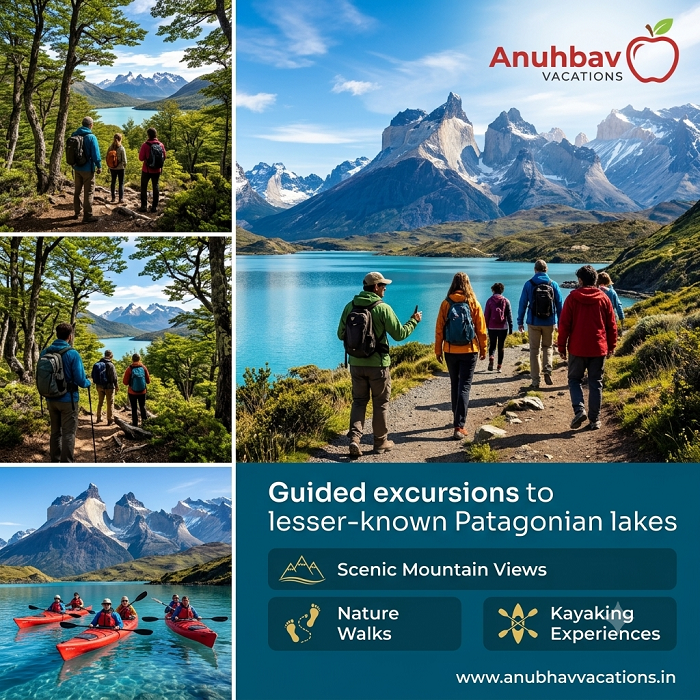
Are guided excursions to lesser-known Patagonian lakes available in a Patagonia Travel Package?

INTRODUCTION
Patagonia is a remarkable destination for travellers who love pristine landscapes, quiet natural surroundings, and outdoor adventures. Beyond its famous glaciers and well-known lakes, the region features secluded waterways, forest-fringed shores, and peaceful mountain lakes that offer a more intimate connection with nature. A Patagonia Travel Package can include guided excursions to lesser-known lakes, depending on the itinerary, season, local access conditions, and availability of qualified guides. These experiences may involve kayaking, lakeside walks, scenic drives, short hikes, or boat excursions through protected natural areas. For travellers seeking tranquillity away from crowded viewpoints, exploring these hidden corners of Patagonia can add an unforgettable dimension to their journey.
Why Explore Lesser-Known Lakes in Patagonia?
Patagonia stretches across southern Argentina and Chile, with landscapes ranging from the Andes and temperate forests to open steppe and dramatic glacial valleys. While famous destinations attract many visitors, smaller lakes and less-visited shorelines can provide a quieter experience.
These lakes are often surrounded by native forests, rocky hills, snow-covered peaks, and meadows. Their water may appear turquoise, deep blue, or emerald green depending on the light, weather, and surrounding geology. Travellers can enjoy the scenery at a slower pace, stop for photographs, observe birds, and learn about the area's natural history.
Guided excursions are particularly useful when a lake is difficult to reach, has limited facilities, or lies within a protected area. Local guides can explain the landscape, identify wildlife, describe native plants, and help visitors understand the importance of conserving Patagonia's fragile ecosystems.
Can a Patagonia Travel Package Include Guided Lake Excursions?
Yes, guided lake excursions can be incorporated into a suitable itinerary. However, not every standard tour includes lesser-known lakes automatically. Availability depends on the destination, the time of year, transport arrangements, activity requirements, and the interests of the traveller.
A carefully planned itinerary may combine popular highlights with quieter locations in national parks and rural areas. Depending on the region, activities could include guided walks to scenic viewpoints, kayaking on calm water, boat journeys, or drives along lakeside routes.
Some excursions are suitable for travellers who prefer gentle sightseeing, while others require greater physical fitness. Before booking, visitors should check the walking distance, terrain, activity duration, transport arrangements, and whether equipment or meals are included.
Travellers should also confirm that the excursion is operated by an authorised provider where required. Some remote areas have access restrictions or require visitors to follow specific park regulations.
Discovering the Lakes of Argentina's Andean Patagonia
Argentine Patagonia offers numerous opportunities to explore lakes surrounded by forests and mountains. The Andean region, particularly the provinces of Neuquén, Río Negro, and Chubut, is known for its beautiful waterways and national parks.
1. Lake Traful
Lake Traful, located in Neuquén Province, is a rewarding option for travellers interested in a quieter lake experience. Its clear water, wooded surroundings, and mountain scenery make it an appealing destination for photography and peaceful sightseeing.
Depending on local conditions and available services, visitors may explore the surrounding area through scenic drives, walks, or organised outdoor activities. A local guide can help travellers understand the landscape and select appropriate viewpoints.
Lake Traful may be a good addition for those who want to explore beyond the busiest stops along Patagonia's established tourist routes.
2. Lake Epuyén
Located in Chubut Province, Lake Epuyén is surrounded by wooded hills and attractive rural scenery. The lake and its surrounding area appeal to visitors seeking relaxation, nature observation, and outdoor experiences.
Travellers can investigate guided walks, lakeside visits, and suitable water-based activities, depending on the season and local operator availability. Because facilities and services vary between locations, arranging transport and activity details in advance can make the experience smoother.
3. Lake Rivadavia
Lake Rivadavia lies within the broader landscape of Los Alerces National Park in Chubut. The area is known for its forests, mountain scenery, and beautiful lakes.
Visitors may combine a lakeside visit with nearby trails or other park experiences. Guided excursions can add context about the native environment, while local operators can advise which routes are suitable for different fitness levels.
The lake is particularly appealing to travellers who want to combine scenic landscapes with a wider exploration of Patagonia's protected natural areas.
Official Argentine tourism information highlights the region's lakes as destinations for both land-based and water-based activities, including excursions around the Andean lakes.
Exploring Lesser-Known Lakes Through Guided Activities
A lake excursion does not have to involve a long trek. Patagonia offers different ways to experience its waterways, allowing travellers to select activities according to their comfort and interests.
Guided Kayaking
Kayaking provides an opportunity to experience a lake from the water rather than from its shoreline. Travellers can observe forested banks, rocky formations, and mountain reflections while enjoying a closer view of the natural environment.
Guided kayaking experiences are available in parts of Argentine Patagonia, including lakes within Lanín, Nahuel Huapi, Lago Puelo, and Los Alerces national parks. Availability varies by location and season, and visitors should use authorised providers for safe excursions.
A guide can explain paddling techniques, help select a suitable route, and assess weather and water conditions. Some outings are designed for beginners, while others may require previous experience.
Lakeside Nature Walks
Walking along a quiet lake is one of the simplest ways to appreciate Patagonia's scenery. Depending on the route, visitors may pass through native forests, open meadows, rocky shorelines, and viewpoints overlooking the water.
Guided walks can introduce travellers to local plants, bird species, and the ecological importance of the area. They also help visitors understand trail conditions and follow park regulations.
For travellers who prefer a relaxed pace, short guided walks can be a good alternative to demanding mountain hikes.
Scenic Boat Excursions
Boat trips can provide access to viewpoints and shorelines that are difficult to reach by road or foot. In some locations, guided lake excursions combine navigation with short walks or visits to nearby natural attractions.
Not every small lake has boat services, so travellers should not assume that a boat trip is available at every destination. Checking local schedules, seasonal operation, and weather restrictions before travelling is essential.
Photography and Wildlife Observation
Lesser-known lakes are excellent settings for landscape photography and observing wildlife from a respectful distance. Early morning and late afternoon can offer attractive light, although conditions change quickly in Patagonia.
Visitors may see waterbirds and other native wildlife, depending on the location and season. Wildlife sightings cannot be guaranteed, and travellers should avoid approaching animals, feeding them, or disturbing nesting areas.
How Patagonia Tours Can Combine Famous and Hidden Lakes
Travellers do not necessarily need to avoid famous destinations to discover quieter places. Well-planned Patagonia Tours can combine established highlights with less-visited lakes and surrounding natural areas.
For example, an itinerary based around Bariloche might include well-known viewpoints and scenic drives, followed by a visit to a quieter lake in the surrounding region. A trip through Chubut could combine Los Alerces National Park with selected lakeside walks or a guided kayaking experience.
In Neuquén, travellers may explore the landscapes along the Seven Lakes Route while asking their tour planner about additional stops and less-crowded experiences. The official Argentine tourism guide identifies lakes such as Hermoso, Falkner, Villarino, Pichi Traful, Espejo Chico, Espejo Grande, and Correntoso along this scenic corridor.
The best route depends on the total travel time available. Patagonia is vast, and distances between destinations can be considerable. Adding too many stops may result in long driving days and limited time at each lake.
A balanced itinerary allows visitors to enjoy the scenery without feeling rushed.
What Makes a Guided Lake Excursion Worthwhile?
A qualified local guide can offer more than directions. Their knowledge may improve both the safety and educational value of the experience.
Local knowledge: Guides can recommend viewpoints, explain regional geography, and help travellers understand local history and traditions.
Route planning: Some lakes are reached through unpaved roads, forest trails, or remote access points. A guide can help determine the most practical route.
Safety support: Weather in Patagonia can change rapidly. Experienced guides can assess conditions and adapt an excursion when necessary.
Nature interpretation: Guides may explain the role of native forests, glacial landscapes, and freshwater ecosystems.
Responsible travel: Local professionals can help visitors follow access rules, remain on designated trails, and minimise environmental impact.
Travellers should ask whether the guide's fee, transport, equipment, park admission, and refreshments are included in the excursion price.
What Should Travellers Pack for a Lake Excursion?
Even a short outing around a Patagonian lake requires some preparation. Conditions can vary between sheltered valleys and exposed shorelines, and temperatures may change during the day.
Consider bringing:
- Layers of warm clothing, including a wind-resistant outer layer.
- Comfortable walking shoes with suitable grip.
- Waterproof clothing if rain is possible.
- Sun protection, sunglasses, and a hat.
- Reusable drinking water and any required personal medication.
- A small daypack for essentials.
- A camera or phone protected against moisture.
- Suitable clothing and footwear for kayaking or boating, if included.
For water-based activities, follow the guide's equipment instructions and wear the required safety gear. Travellers should also carry out all rubbish and avoid removing plants, stones, or other natural objects from protected areas.
When Is the Best Time to Visit Patagonia's Lesser-Known Lakes?
The ideal time depends on the destination and planned activity. In many parts of Argentine Andean Patagonia, the warmer months from spring through early autumn provide more opportunities for kayaking, hiking, and lake excursions.
The official Argentine nature tourism resource lists September through April as a season for guided paddling experiences in several national parks, although local conditions and specific operator schedules may differ.
Summer generally offers longer daylight hours and favourable conditions for many outdoor activities. However, it can also be a busier travel period, so advance reservations may be useful.
Spring and autumn can provide beautiful scenery and quieter travel experiences, but visitors should prepare for cooler temperatures and changing weather. In winter, snow or ice may affect road access, walking routes, and the availability of water-based excursions.
Always confirm current trail conditions, access restrictions, and activity schedules before departure.
How to Choose the Right Patagonia Holiday Packages
When comparing Patagonia Holiday Packages, travellers interested in lesser-known lakes should check the itinerary carefully rather than relying only on general descriptions.
Look for packages that specify the lakes being visited, the duration of each excursion, the type of transport, and whether activities are guided. If a package mentions a national park, ask which part of the park is included and whether there is enough time for walking or kayaking.
It is also worth confirming the group size. Smaller groups may offer more flexibility for photography and nature observation, while larger group tours can provide a sociable and structured travel experience.
Travellers with mobility concerns or limited hiking experience should request information about slopes, uneven ground, walking distances, and rest opportunities. Families should check age restrictions for kayaking and boat trips.
If a desired lake is not included in a standard itinerary, ask whether it can be added as a private excursion or an additional day. Remote destinations may require extra transport, accommodation, or a minimum number of participants.
Can Lesser-Known Lakes Be Included in a Personalised Itinerary?
Yes, a personalised itinerary can make it easier to focus on quieter lakes, provided access and local services permit the visit.
Travellers can discuss their interests with a tour planner before confirming their arrangements. Nature photography, gentle walks, kayaking, birdwatching, and scenic driving all require different amounts of time and preparation.
A customised route may also allow extra nights in selected towns, reducing the need to travel long distances every day. This can be particularly useful in Patagonia, where weather and road conditions may affect travel schedules.
However, not every remote lake has established visitor facilities or guided services. Some areas may be accessible only during certain seasons, and protected locations can have specific rules. A flexible itinerary should include alternatives in case weather or access conditions change.
Conclusion
Guided excursions to lesser-known Patagonian lakes can be an excellent addition to a nature-focused holiday. From kayaking on clear waters and walking through native forests to enjoying quiet viewpoints and learning from local guides, these experiences allow travellers to discover a more peaceful side of the region. The key is to choose an itinerary that matches personal interests, available time, physical ability, and seasonal conditions. Before booking, confirm the specific lakes, activity inclusions, guide arrangements, and access requirements. With thoughtful planning, Anubhav Vacations can help travellers explore suitable lake experiences as part of a memorable Patagonian journey.
Frequently Asked Questions
1. Can a Patagonia Travel Package include guided excursions to lesser-known lakes?
Yes. A Patagonia Travel Package can include guided visits to lesser-known lakes, depending on the itinerary, season, accessibility, and availability of local guides. Travellers should confirm the specific lakes and activities before booking.
2. Which activities are available around lesser-known Patagonian lakes?
Activities may include guided nature walks, kayaking, boat excursions, scenic drives, photography, and wildlife observation. Availability depends on the lake and local operating conditions.
3. Are guided lake excursions in Patagonia suitable for beginners?
Many short walks and selected kayaking experiences may suit beginners. However, difficulty levels vary, so travellers should check the activity requirements, walking distance, equipment, and guide arrangements in advance.
4. What is the best season for exploring Patagonia's lakes?
Spring, summer, and early autumn generally offer good opportunities for many lake-based activities in Argentine Patagonia. The best dates depend on the destination, weather, road conditions, and local excursion schedules.
5. Should I book guided excursions to remote Patagonian lakes in advance?
Booking in advance is advisable, particularly during popular travel periods or when an excursion requires specialist equipment, private transport, or a qualified guide. Always verify current access conditions and cancellation policies.

