

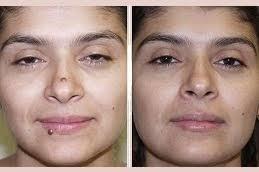

Raised moles can sometimes be removed with minimal visible scarring, but completely mark-free results cannot be guaranteed. The final appearance depends on the mole’s size, depth, location, removal method, skin type, and healing response. People considering Mole Removal in Dubai should understand these factors before choosing a procedure.
Although some raised moles are harmless, others may require medical evaluation before removal. A professional assessment helps determine whether removal is appropriate for cosmetic reasons, medical concerns, or both.
Why Do Some Raised Moles Leave Marks After Removal?
A raised mole develops when pigment-producing cells, known as melanocytes, form a cluster in the skin. Some moles remain small and stable, while others become more prominent or raised over time.
Removing a mole involves treating or removing skin tissue. Depending on the procedure, this may result in a small scar, a change in pigmentation, or a slightly different skin texture.
Several factors influence the final appearance:
-
Mole size and depth: Larger or deeper moles may require more extensive removal, increasing the possibility of a visible scar.
-
Location: Areas such as the chest, shoulders, and upper back may be more prone to raised scars in some individuals.
-
Skin characteristics: Some skin types are more likely to develop dark marks or raised scars after an injury.
-
Healing response: Genetics, wound care, inflammation, and infection can influence how the skin recovers.
-
Removal technique: Different techniques produce different types of wounds and may be suitable for different moles.
Understanding these factors helps establish realistic expectations before treatment.
Which Mole Removal Methods May Minimise Scarring?
The most appropriate method depends on the mole’s appearance, depth, location, and medical characteristics. No technique guarantees that a scar will be invisible.
Shave Removal
Shave removal involves using a surgical blade to remove a raised mole at or near the skin surface. It may be considered for selected raised lesions after appropriate assessment.
This method can leave a relatively subtle mark in some cases. However, the mole may recur if cells remain, and changes in skin colour or texture can occur during healing. Shave removal is not appropriate for every pigmented lesion, particularly when a deeper sample is needed for diagnosis.
Surgical Excision
Surgical excision involves removing the mole and, when indicated, a margin of surrounding tissue. The wound may be closed with stitches.
This approach can be appropriate when a mole requires complete removal or laboratory examination. It usually leaves a linear scar, although its visibility may decrease as the scar matures.
Laser Treatment
Laser procedures may be used for certain selected skin lesions, but they are not suitable for every mole. A suspicious pigmented mole should be evaluated before any cosmetic treatment, and laser removal may prevent the tissue from being examined properly.
A dermatologist can explain which options are medically appropriate rather than selecting a method based only on the likelihood of a small mark.
How Can You Reduce the Risk of a Noticeable Scar?
Good preparation and aftercare can support healing, although they cannot eliminate scarring completely.
Choose a qualified medical professional. A proper examination helps identify the nature of the mole and determine the safest removal approach.
Follow wound-care instructions. Keep the treated area clean and follow the clinician’s guidance about dressings, ointments, and bathing. Avoid picking scabs or pulling at stitches.
Protect the healing skin from sunlight. Ultraviolet exposure can make a healing mark more noticeable. Once appropriate for the wound, use broad-spectrum sunscreen and protective clothing as advised by your clinician.
Avoid unnecessary irritation. Friction, stretching, and premature use of exfoliating products can interfere with healing.
Discuss your scar history. If you have previously developed keloids or thick, raised scars, tell your clinician before treatment. This information can influence treatment planning and follow-up care.
Do not apply scar treatments to an open wound unless your healthcare professional recommends them.
How Long Does a Mole Removal Mark Take to Fade?
Healing time varies according to the removal method and the individual. The surface wound may heal within days to a few weeks, while scar maturation can continue for several months or longer.
Initially, the treated area may look pink, red, darker, or slightly uneven. These changes do not necessarily indicate a poor result. Over time, the colour and texture may improve, although some marks remain visible.
If the area becomes increasingly painful, hot, swollen, or develops pus, seek medical advice because these may be signs of infection. A growing, changing, or repeatedly bleeding mole also requires prompt professional assessment.
When Should You Have a Mole Examined Before Removal?
Cosmetic concerns are understandable, particularly when a raised mole is located on the face, neck, or another visible area. However, appearance alone cannot reliably establish whether a mole is harmless.
Seek medical evaluation if you notice changes in size, shape, or colour, an irregular border, persistent itching, bleeding, or a sore that does not heal. A clinician may examine the lesion with a dermatoscope and recommend a biopsy or removal with laboratory analysis if necessary.
Avoid attempting to cut, burn, or chemically remove a mole at home. These methods can cause infection, scarring, and delayed diagnosis of a potentially serious skin condition.
Mole Removal at Tajmeels Clinic in Dubai
At tajmeels clinic dubai, patients considering mole removal in Dubai can discuss their cosmetic concerns and the characteristics of the mole during a professional consultation. An individual assessment can help establish whether removal is appropriate, what procedure may be suitable, and what type of healing or scarring to expect.
The discussion should also cover any suspicious changes, the possible need for tissue examination, aftercare requirements, and follow-up. Patients with a lesion that appears medically concerning should receive appropriate diagnostic evaluation before cosmetic removal is considered.
The aim is to make an informed treatment decision based on skin health, individual needs, and realistic expectations rather than promising a completely scar-free outcome.
Final Thoughts
A raised mole can sometimes be removed with a minimal, less noticeable mark, but the result depends on individual skin characteristics and the chosen procedure. Careful assessment, appropriate removal, and consistent aftercare can help support healing.
If you are considering mole removal in Dubai, consult a qualified medical professional before proceeding. The priority should always be identifying the nature of the mole, selecting an appropriate treatment, and protecting your long-term skin health.
More Information
Tajmeels Clinic Dubai
WhatsApp: +971 56 203 8751
Phone: tel:+971 43739000
Social Media:

