

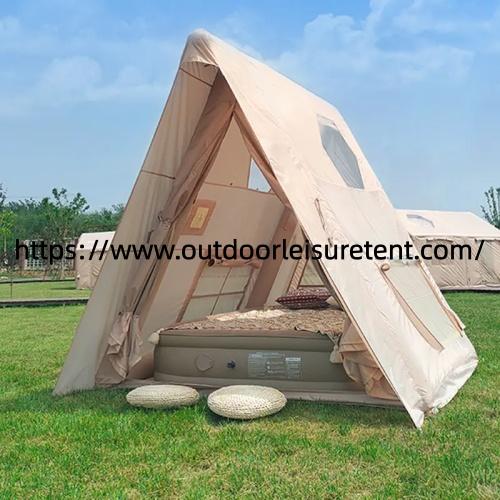

Inflatable Tent Supplier selection requires more than comparing quotations when a business plans to purchase products in bulk. Importers, outdoor retailers, event organizers, and camping brands need to assess construction details, product consistency, customization options, and delivery arrangements before committing to an order. A careful comparison helps buyers understand what each manufacturer offers and whether the proposed products fit their intended market. Preparing a clear purchasing plan at the beginning can also make communication and order management easier.
One important factor is the intended application. A shelter designed for family camping may have different requirements from one used at an outdoor exhibition, promotional event, or temporary commercial site. Buyers should define the expected number of users, usable floor area, entrance layout, ventilation needs, and storage requirements before requesting quotations. These details help manufacturers recommend suitable configurations instead of quoting products that differ significantly in size or function.
Material specifications deserve close attention during the evaluation process. Buyers should ask about the outer fabric, air chamber materials, seam construction, coatings, and reinforcement around areas exposed to repeated handling. These components serve different purposes, so a single fabric description does not explain the complete construction. It is also useful to review information about water resistance, cleaning instructions, and intended operating conditions. Where particular performance levels are required, buyers should request relevant test information rather than relying on general promotional claims.
The inflation system is another feature worth comparing. Ask whether the structure uses sealed air chambers or a continuous air supply, because the operating requirements can differ. For sealed designs, valve construction, air retention, inflation equipment, and repair procedures deserve attention. Buyers should also confirm which pump is included, how long setup typically takes under the stated conditions, and whether replacement valves or repair materials are available. Understanding these practical details can help businesses prepare suitable operating instructions for their own customers.
Product layout and accessories can influence purchasing decisions as well. Windows, removable side panels, flooring, storage bags, anchoring components, and internal partitions may be available depending on the model. However, not every project needs every accessory. Event organizers may focus on entrance placement and branding space, while camping retailers may prioritize ventilation, sleeping capacity, and packing dimensions. A feature checklist helps buyers compare similar configurations and identify which items are included in the quoted price.
Quality control should be discussed before the order is confirmed. Request a sample when practical and inspect the seams, valves, fabric finish, connecting points, and included components. For air filled structures, ask how leakage checks and final inspections are conducted. Buyers should also agree on the approved specifications and define how any production differences will be handled. Keeping a written record of sample approval provides a useful reference when checking goods before shipment.
Customization is especially relevant to brands that want a recognizable product range. Available options may include color selection, printed logos, graphic panels, dimensions, packaging, and instruction materials. Before starting custom production, provide accurate artwork files and written requirements for placement, size, and color references. Ask whether design changes affect minimum order quantities, sample costs, or manufacturing schedules. Approving a finished sample before bulk production can help reduce misunderstandings about the final appearance.
Commercial terms should be compared alongside technical specifications. A lower unit quotation may exclude accessories, customized packaging, inspection charges, or certain delivery costs. Buyers should review minimum order quantities, payment arrangements, production lead times, shipping terms, and the process for handling defects. It is also helpful to ask about repeat orders and the availability of replacement parts. These details can affect the total purchasing budget and the effort required to maintain a product range over time.
Packaging and transport planning are equally important for bulk purchases. Request carton dimensions, gross weight, packing quantities, and pallet information where applicable. These figures help importers estimate freight expenses and organize warehouse space before the shipment arrives. Businesses supplying multiple retail locations should also consider whether individual packages are convenient to store, handle, and distribute. Clear labeling and suitable instructions can make inventory processing and customer handover more straightforward.
For businesses preparing new outdoor collections or commercial projects, Mansen offers outdoor leisure products that buyers can review when planning their next purchase. Visit https://www.outdoorleisuretent.com/product/ to view the available range and identify options that match your market requirements. Before requesting a quotation, prepare your preferred design, intended application, estimated order quantity, customization details, and delivery schedule. This information gives the manufacturing team a clear starting point for discussing product specifications, order arrangements, and practical options for your business.

