


Holiday Meal Packaging: How to Box Up Catering, Takeout Dinners, and Food Gifts
Not everyone wants to cook a full holiday dinner. Plenty of families now order a prepared turkey, a tray of sides, or a boxed dessert and enjoy the day without the stress. Restaurants, caterers, and specialty food shops have noticed, and many treat December as their busiest stretch of the year. But a holiday meal is bigger and more complicated than a regular takeout order. It has to arrive hot, stay organized, and look good on the table. Packaging is what makes that possible.
Why Holiday Meals Need Better Packaging
Holiday shoppers are still spending. The National Retail Federation forecasts that U.S. holiday retail sales in November and December will grow 4.2% to $1.013 trillion in 2026, compared with $972 billion last year (NRF, October 15, 2026). More spending on gifts, hosting, and gatherings means more demand for prepared food that is ready to serve.
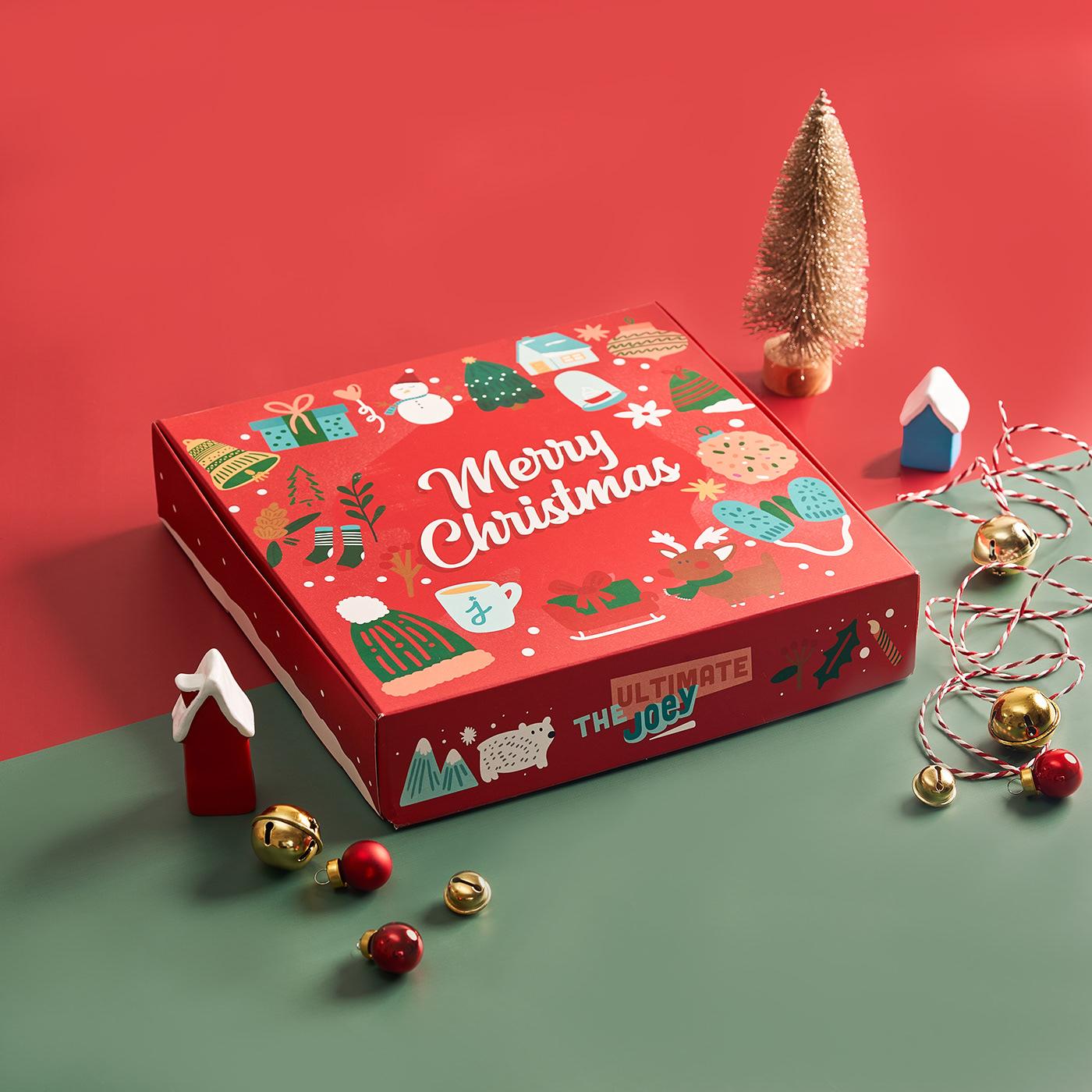
That is why many food businesses choose Custom Christmas Boxes with their own colors, logo, and a warm seasonal message. A printed box turns a large order into a recognizable brand moment, and it helps customers feel they are receiving a thoughtful, finished product rather than a stack of containers.
Choosing the Right Box for the Meal
Large holiday orders usually include several items, so think in layers.
Main Dishes and Roasts
Heavy dishes need rigid, grease-resistant packaging with strong walls. Choose a box that fits the pan or tray snugly, and add a support layer underneath so the weight does not collapse the base. Christmas Food Boxes with reinforced corners handle heavy trays far better than standard cartons.
Sides, Sauces, and Soups
Wet items need leak-resistant containers with tight lids. Pack them upright in a box with dividers, and keep gravy and soups in their own containers so they do not soak into other dishes.
Desserts and Bakery Items
Pies, cakes, and cookies need flat, stable boxes with a tight fit. Keep desserts separate from hot dishes so heat and steam do not soften frosting or crusts.
Design Details That Feel Like a Gift
Festive packaging works best when it is simple and consistent. A few choices keep the look polished:
- Color: Classic red, green, and gold are always in season, while kraft with a bright accent feels cozy and modern.
- Labels: Clear panels for item names and reheating instructions save phone calls and mistakes.
- Messaging: A short note inside the lid, such as a greeting or a serving tip, makes the box personal.
- Handles: Built-in handles or sturdy carry cutouts make large boxes easier to move.
With Custom Christmas Boxes, these details are printed right onto the packaging, so customers see the brand and the instructions at the same time.
Keeping Food Hot and Safe
Temperature matters for both taste and safety. Pack hot foods promptly, use lids that fit closely, and consider insulated bags for longer trips. Provide simple reheating instructions on a card or printed inside the lid, including oven temperatures and approximate times. Christmas Food Boxes should be made from food-safe materials with grease-resistant coatings, so ask your supplier for documentation. Keep hot and cold items in separate boxes so one does not warm or chill the other.
Handling Pre-Orders and Pickup Day
Holiday meals are almost always pre-ordered, which makes organization essential. Use uniform box sizes so staff can stack and store orders neatly, and label each box with a name, order number, and pickup time. A color-coded system helps teams grab the right box during a rush. Many businesses find that Custom Christmas Boxes with a printed checklist area, where staff can mark off each item, reduce mistakes and speed up handoffs. For delivery orders, add a sturdy outer carton so boxes stay clean and upright in the car.
Materials and Sustainability
Many shoppers pay attention to how packaging is made. Kraft and recycled paperboard, along with water-based inks, are widely used and help reduce waste. Many Custom Christmas Boxes can be made from recyclable stock, so you can look festive while cutting down on environmental impact. Ask your supplier which coatings are compatible with local recycling.
Ordering Without the December Rush
A short checklist keeps the process calm.
- Estimate quantities. Review last year's orders and add a buffer for late requests.
- Request samples. Pack a real meal and test a short delivery trip.
- Review the proof. Confirm spelling, colors, and logo placement before printing.
- Order early. Early November is a smart target for printing and delivery.
Smaller businesses often worry about minimums, but digital printing has made shorter runs more realistic. If you only need a few dozen Christmas Food Boxes to test a holiday menu, ask about smaller batches.
Frequently Asked Questions
How early should I order holiday packaging?
Four to six weeks before you need the boxes is a safe window. That covers proofing, printing, and delivery with some breathing room.
Can one box handle both delivery and pickup?
Sometimes. For delivery, a sturdy outer carton keeps the printed design clean. For pickup, one well-made box is usually enough, and Custom Christmas Boxes can work well for both.
How do I keep side dishes from spilling?
Choose containers with tight lids, pack them upright with dividers, and avoid overfilling. A gentle shake test on a sample will show whether anything moves.
Final Thoughts
A holiday meal is a gift in itself, and the box is the first thing the customer sees. Choose structures that fit each dish, keep the design warm and simple, and place your order before the rush begins. If you want every order to feel like a small celebration, Custom Christmas Boxes are a simple and memorable place to start.
