

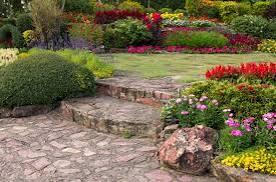
Residential Property Maintenance Services: Keep Your Home Beautiful and Well Maintained

A home is more than a place to live. It is an investment, a personal space, and an environment where families spend time relaxing and enjoying everyday life. Keeping a residential property in good condition requires regular attention to both indoor and outdoor areas. From maintaining lawns and gardens to managing seasonal cleanup and keeping pathways clear, small maintenance tasks can make a significant difference to the appearance and usability of a home.
However, maintaining a property can become challenging when work, family commitments, and other responsibilities leave little time for outdoor care. Tasks that are postponed for too long may accumulate, making the property harder to manage and increasing the effort required to restore its appearance.
Professional residential property maintenance services can help homeowners organize routine outdoor upkeep according to their property's needs. With an appropriate maintenance schedule, homeowners can keep their gardens attractive, manage seasonal changes, and spend less time worrying about recurring outdoor tasks.
What Are Residential Property Maintenance Services?
Residential property maintenance includes activities that help keep a home and its surrounding areas clean, organized, and in suitable condition. The exact services depend on the property, the provider, and the agreement established with the homeowner.
For properties with landscaped outdoor spaces, maintenance may include lawn mowing, garden bed upkeep, shrub trimming, weed control, seasonal cleanup, and the removal of leaves or debris. Some homeowners may require occasional assistance, while others may prefer regular visits throughout the year.
The purpose of a maintenance plan is to establish a consistent approach to property care. Rather than waiting until the garden becomes overgrown or outdoor areas look neglected, homeowners can schedule tasks according to seasonal requirements and the property's condition.
It is important to confirm what a service includes before arranging professional assistance. Landscaping and outdoor maintenance do not necessarily cover plumbing, electrical work, structural repairs, or other specialist building services.
Understanding these distinctions helps homeowners select services that match their actual requirements.
Why Regular Home Maintenance Matters
Maintaining an Attractive Exterior
The exterior of a home creates the first impression for visitors, neighbours, and potential buyers. A neat lawn, trimmed shrubs, organized garden beds, and tidy pathways can make a property look welcoming and well cared for.
When outdoor maintenance is neglected, grass may become overgrown, weeds can spread, and leaves may accumulate around entrances and garden areas. These changes can affect the property's appearance even when the home itself is in excellent condition.
Regular maintenance helps homeowners maintain a consistent standard of presentation. It also makes seasonal cleanup easier because outdoor spaces receive attention before minor issues become extensive.
Protecting Your Property Investment
A residential property represents a significant financial investment for many homeowners. Maintaining its surroundings is one way to support its overall condition and long-term usability.
Routine outdoor care allows homeowners to identify visible concerns, such as damaged plants, deteriorating garden areas, or debris collecting near drainage points. These observations can help determine whether additional maintenance or specialist assessment is necessary.
Although landscaping maintenance cannot prevent every property issue, regular attention can help homeowners respond to concerns earlier and keep outdoor spaces organized.
Creating Comfortable Outdoor Living Spaces
Gardens and yards can provide valuable space for relaxation, family activities, and social gatherings. However, outdoor areas are more enjoyable when they are clean, accessible, and maintained according to their intended use.
Homeowners may want a neatly trimmed lawn for children to play on, organized garden beds for visual appeal, or clear pathways connecting different parts of the property.
A suitable maintenance routine helps preserve these spaces and makes it easier to enjoy them throughout the year.
Reducing the Burden of Recurring Tasks
Property maintenance involves several activities that must be repeated at different intervals. Grass grows, weeds appear, leaves fall, and plants require seasonal attention.
Managing these tasks independently can be time-consuming, particularly for homeowners with larger gardens or busy schedules.
Arranging professional maintenance can help reduce some of this workload. The amount of assistance required depends on the size of the property, the condition of the outdoor areas, and the tasks included in the service agreement.
Essential Residential Property Maintenance Tasks
Every home has different maintenance requirements. The best approach depends on the size of the yard, the types of plants, local weather conditions, and how the outdoor areas are used.
Lawn Mowing and Grass Care
A well-maintained lawn can improve the appearance of a residential property and provide a pleasant space for outdoor activities.
Regular lawn care may include mowing, trimming edges, and removing visible debris. The appropriate frequency depends on grass growth, rainfall, temperature, and the condition of the lawn.
During periods of active growth, grass may need more frequent mowing. In cooler or drier conditions, the schedule may need to be adjusted.
Homeowners should also monitor areas where grass repeatedly becomes thin or discoloured. Possible causes include insufficient sunlight, compacted soil, drainage issues, or heavy foot traffic. Identifying the underlying cause can help determine the appropriate solution.
Garden Bed Maintenance
Garden beds add colour, texture, and character to a residential landscape. Flowers, shrubs, and other plants can make outdoor spaces more inviting, but they require regular care.
Common garden maintenance tasks include removing weeds, clearing dead plant material, maintaining planting areas, and refreshing mulch when appropriate.
Homeowners should consider the specific needs of their plants when planning maintenance. Some varieties require more frequent attention, while others are relatively low maintenance.
Selecting plants suited to the local climate and growing conditions can also help reduce long-term upkeep. Factors such as sunlight, soil type, water availability, and the size of mature plants should be considered before making planting decisions.
Shrub Trimming and Pruning
Shrubs and ornamental plants can become overgrown if they are not maintained appropriately. Excessive growth may affect the appearance of the garden or obstruct pathways, entrances, and windows.
Trimming helps maintain the shape and size of plants while keeping landscaped areas organized. However, pruning requirements vary by plant type, and some plants should only be pruned at particular times of the year.
Homeowners should avoid cutting plants without considering their growth patterns and seasonal requirements. When necessary, they can discuss suitable pruning practices with an experienced landscaping professional.
Weed Management
Weeds can spread throughout lawns, garden beds, and spaces between paving. If left unmanaged, they may compete with desirable plants for water, nutrients, sunlight, and growing space.
Regular inspections help homeowners identify weeds before they become widespread. Appropriate removal methods depend on the type of weed, the surrounding plants, and the location.
A consistent garden maintenance routine can help keep planting areas tidy and reduce the effort required for larger cleanup projects.
Leaf and Debris Removal
Leaves, small branches, and other debris can accumulate around residential properties, particularly during autumn and after storms.
Regular removal helps maintain the appearance of lawns, pathways, garden beds, and entrances. It can also make it easier to inspect outdoor areas for visible damage or other maintenance concerns.
Homeowners should pay particular attention to frequently used pathways and areas where debris may collect near drainage points.
Pathway and Entrance Upkeep
Pathways, driveways, and entrances contribute to the overall usability of a residential property. Keeping these areas free from unnecessary debris and overgrown vegetation helps maintain a neat appearance.
Homeowners should inspect frequently used outdoor surfaces for visible cracks, uneven areas, or other concerns that may require repair. Significant surface damage should be assessed by an appropriate professional rather than treated as a routine landscaping task.
Clear access routes also make outdoor spaces easier to use for family members and visitors.
Seasonal Maintenance for Residential Properties
Residential maintenance requirements change throughout the year. A seasonal schedule helps homeowners prepare for these changes and avoid leaving important tasks until the last moment.
Spring: Refresh Your Outdoor Spaces
Spring is an ideal time to assess the condition of the garden after winter and prepare for the growing season.
Homeowners may need to remove leftover debris, clear garden beds, inspect lawns, trim suitable plants, and prepare areas for seasonal planting.
It is also a useful time to review the overall layout of the landscape. Homeowners can identify areas that need improvement and decide whether to refresh mulch, replace damaged plants, or reorganize garden beds.
Completing these tasks early can help outdoor spaces become more manageable as plant growth increases.
Summer: Keep Gardens Healthy and Organized
Summer often brings faster grass growth and greater use of outdoor living areas. Lawn mowing, weed management, and garden maintenance may become more frequent.
Watering should reflect local weather, soil conditions, and plant requirements. Excessive watering can waste resources, while insufficient moisture may cause unnecessary stress.
Homeowners should also maintain tidy pathways and outdoor gathering areas so the property remains comfortable and practical during warmer weather.
Regular inspections can help identify visible plant stress, damaged irrigation equipment, or areas where the landscape needs additional attention.
Autumn: Prepare for Cooler Weather
Autumn often brings falling leaves and changing plant conditions. Leaves may collect on lawns, pathways, and garden beds, making regular cleanup particularly important.
Homeowners can use this period to remove debris, maintain suitable plants, and prepare the landscape for winter.
The correct timing for pruning and other seasonal tasks depends on the plant species and local climate. Some plants benefit from specific care schedules, so unnecessary trimming should be avoided.
Preparing the property during autumn can make winter maintenance easier and provide a better starting point for spring.
Winter: Maintain Outdoor Areas During Colder Conditions
Winter maintenance varies depending on the local climate. In areas that experience snow or ice, homeowners may need to pay particular attention to entrances, driveways, and frequently used walkways.
Other useful tasks may include removing debris, monitoring drainage areas, and checking the condition of outdoor spaces after storms.
Homeowners should also consider whether plants require protection from extreme temperatures and whether outdoor equipment needs seasonal preparation.
Even when plant growth slows, winter provides an opportunity to review the property's condition and plan upcoming maintenance activities.
How Professional Maintenance Can Help Busy Homeowners
Many homeowners want attractive outdoor spaces but have limited time to manage every maintenance task themselves.
Professional assistance can help organize recurring work and establish a schedule that reflects the property's requirements. This may be especially useful for larger yards, properties with multiple garden beds, or homes where outdoor maintenance has become difficult to manage independently.
A planned service arrangement can also help homeowners understand which tasks need regular attention and which can be handled seasonally.
Before arranging assistance, homeowners should list their main priorities. Some may want regular lawn care, while others may need help maintaining shrubs, managing garden beds, or completing seasonal cleanup.
Clear communication helps ensure that the service arrangement reflects the homeowner's expectations and available budget.
Choosing the Right Residential Maintenance Provider
Selecting a suitable provider involves more than comparing prices. Homeowners should evaluate the services available, the proposed schedule, communication practices, and the provider's understanding of their maintenance requirements.
When comparing residential property maintenance services, consider the following factors.
Range of services: Confirm which tasks are available and whether they match your property's needs. Ask which activities are included and which may cost extra.
Maintenance schedule: Discuss how often visits can be arranged and whether the schedule can be adjusted according to seasonal conditions.
Experience with similar properties: Ask whether the provider has experience maintaining gardens and outdoor spaces similar to yours.
Clear communication: Establish how you can report concerns, request additional work, and receive updates about scheduled visits.
Transparent pricing: Request a clear explanation of service costs, visit frequency, and any additional charges before agreeing to an arrangement.
Safety awareness: Discuss how maintenance work will be carried out around family members, visitors, pets, and frequently used outdoor areas.
Written agreement: Make sure the service arrangement clearly describes the work, schedule, pricing, and responsibilities of each party.
Taking time to review these factors can help homeowners make an informed decision and establish realistic expectations.
Creating a Home Maintenance Plan That Works
An effective maintenance plan begins with a review of the property's outdoor areas.
Start by identifying the main features that require attention, such as lawns, garden beds, shrubs, trees, pathways, and entrances. Next, list the tasks associated with each area and decide how frequently they should be completed.
Divide the work into routine, seasonal, and occasional tasks.
Routine tasks might include lawn mowing, basic tidying, and checking the condition of garden beds. Seasonal activities could include leaf removal, preparing planting areas, and adjusting plant care according to weather conditions. Occasional tasks may involve replacing damaged plants or addressing a recurring landscape concern.
The schedule should be realistic and flexible. A garden with fast-growing grass may need more frequent care than a low-maintenance landscape with limited lawn space.
Homeowners can also keep simple records of completed work and upcoming tasks. These records make it easier to review maintenance spending and identify areas where the plan needs adjustment.
A professional provider may be able to help establish a schedule based on the property's layout, condition, and maintenance priorities.
Common Residential Maintenance Mistakes to Avoid
Postponing Small Tasks
Small maintenance concerns can accumulate when they are ignored. Weeds may spread, shrubs may become overgrown, and debris can build up around the property.
Regular attention helps keep these tasks manageable and reduces the amount of work required for extensive cleanup.
Following the Same Schedule All Year
Plant growth and weather conditions change throughout the year. A maintenance routine that works during spring may not be suitable during a dry summer or a season with heavy leaf fall.
Homeowners should adjust maintenance frequency according to actual conditions rather than following a rigid schedule.
Choosing Plants Without Considering Maintenance
Some plants require more pruning, watering, or seasonal attention than others. Selecting plants without considering their long-term requirements can make a garden harder to manage.
Before adding new plants, homeowners should consider the available space, sunlight, soil conditions, and expected maintenance needs.
Failing to Clarify Service Costs
Assuming that every task is included in a maintenance package can lead to unexpected expenses.
Homeowners should confirm the scope of work, service frequency, and charges for additional tasks before scheduling visits.
Ignoring Recurring Problems
If the same area repeatedly develops poor grass growth, standing water, or unhealthy plants, simply repeating routine maintenance may not solve the underlying problem.
Further assessment may be necessary to identify issues such as drainage difficulties, soil conditions, or unsuitable plant selection.
How Campkin Landscaping Fits into Residential Property Care
Homeowners exploring landscaping and outdoor maintenance options can review the information available through Campkin Landscaping's website and discuss their requirements directly with the provider.
Before requesting a service arrangement, it is helpful to prepare a clear overview of the property. Include the size of the outdoor area, existing landscaping features, preferred maintenance frequency, and any specific concerns that require attention.
When considering residential property maintenance services, homeowners should confirm which services are available, how frequently work can be scheduled, and what the proposed arrangement will cost.
It is also useful to discuss seasonal requirements, communication procedures, and whether additional work can be arranged when needed.
Establishing these details in advance helps homeowners understand the service being offered and determine whether it suits their property's needs.
Measuring the Results of Residential Maintenance
A maintenance plan should be reviewed periodically to determine whether it is delivering the expected results.
Homeowners can assess whether lawns and garden beds remain organized, scheduled tasks are completed, and outdoor spaces continue to meet the household's needs.
It is also helpful to review the maintenance budget and consider whether the frequency of service remains appropriate.
If particular areas repeatedly require extra attention, the homeowner may need to adjust the schedule or investigate the cause. For example, a shaded lawn may need a different approach from a sunny area, while a garden with extensive planting beds may require more frequent weeding.
Regular reviews help homeowners make practical changes and keep their maintenance plan aligned with the property's condition.
Conclusion
Residential property maintenance plays an important role in keeping a home attractive, comfortable, and easier to manage. Regular lawn care, garden bed maintenance, shrub trimming, weed control, and seasonal cleanup can help homeowners maintain organized outdoor spaces throughout the year.
The most effective approach begins with understanding the property's needs, setting realistic priorities, and creating a maintenance schedule that reflects seasonal changes. Choosing a suitable provider and clarifying service expectations can also help make recurring property care more manageable.
Homeowners researching residential property maintenance services can review their maintenance priorities and discuss suitable options with Campkin Landscaping. With consistent care and a practical plan, residential outdoor spaces can remain welcoming, functional, and well maintained throughout the seasons.
