

From Construction Dust to a Spotless Workplace: A Complete Cleaning Checklist for Modern Offices
A newly renovated office can create an excellent first impression, improve the working environment, and give employees a fresh place to collaborate. However, once contractors finish their work, the space may still contain fine dust, paint splashes, adhesive residue, and debris that ordinary cleaning routines cannot fully address. Before employees return and business activities resume, the workplace needs careful preparation.
Professional post construction cleaning helps transform a recently built or renovated commercial space into a cleaner, more presentable environment. At the same time, having an effective office checklist for cleaning makes it easier to maintain hygiene, organize daily responsibilities, and prevent dirt from accumulating after the initial cleanup.
Understanding how these two approaches work together can help business owners, office managers, and facility teams maintain a workplace that looks professional and feels ready for everyday operations.
Why Post Construction Cleaning Is Essential for Offices
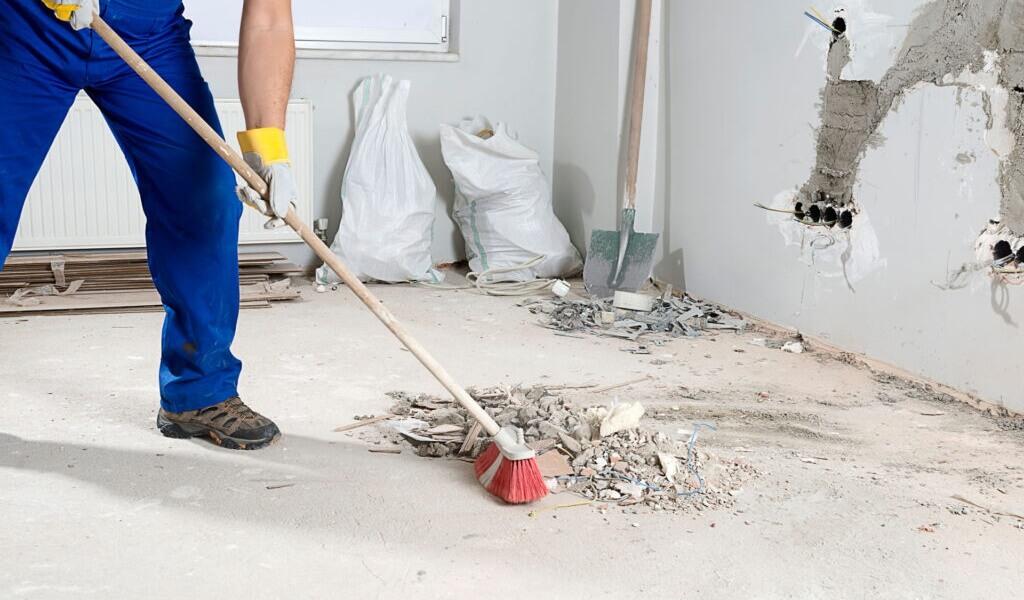
Construction and renovation projects often leave behind more than visible waste. Fine dust can settle on desks, window ledges, cabinets, lighting fixtures, floors, and other surfaces. Small amounts of adhesive, paint, or grout residue may also remain around newly installed features.
A standard office cleaning routine may not be sufficient to address these conditions. Post construction cleaning focuses on removing construction-related dust and residue while preparing the space for occupancy.
Depending on the project's size and condition, the service may include:
-
Removing remaining light construction debris after the area is declared safe.
-
Dusting accessible surfaces, shelves, and fixtures.
-
Cleaning interior glass, windowsills, and suitable window tracks.
-
Wiping cabinets, countertops, doors, and handles.
-
Cleaning kitchenettes, sinks, and washroom fixtures.
-
Vacuuming and mopping appropriate flooring materials.
-
Removing suitable surface marks without damaging new finishes.
-
Checking corners and other areas where fine dust collects.
The cleaning requirements for a small office renovation will differ from those of a newly constructed commercial building. A larger property may need several cleaning stages before the final inspection.
Hazardous materials, exposed wiring, heavy debris, and unsafe construction conditions must be handled by qualified personnel before routine cleaning begins.
How to Prepare an Office for Final Cleaning
Planning the cleaning process before the last contractor leaves can make the transition smoother. First, confirm that construction activities have finished in the areas scheduled for cleaning and that the site is safe to enter.
Next, coordinate with contractors to remove tools, leftover materials, and large debris. Identify newly installed surfaces that may require special products or cleaning methods, such as natural stone, delicate flooring, coated glass, or custom cabinetry.
It is also helpful to identify which areas need priority attention. Reception spaces, meeting rooms, employee workstations, kitchens, and washrooms may all require different cleaning procedures.
Once the post construction cleaning is complete, an office checklist can help establish a consistent routine for maintaining the finished space.
A Practical Office Checklist for Cleaning
An organized office checklist for cleaning helps employees, cleaners, and facility managers understand which tasks need attention and how frequently they should be completed.
1. Reception and Common Areas
The reception area shapes visitors' first impressions, so it deserves regular attention.
-
Dust reception desks and accessible furniture.
-
Wipe door handles and frequently touched surfaces.
-
Clean glass doors and visible fingerprints.
-
Vacuum carpets or mop suitable hard floors.
-
Empty waste bins and replace liners when necessary.
-
Straighten waiting-area furniture and remove clutter.
2. Employee Workstations
Workstations can accumulate dust, paper scraps, food crumbs, and everyday grime.
-
Clean accessible desk surfaces according to workplace policies.
-
Remove rubbish and empty individual waste bins.
-
Vacuum or clean floors around desks.
-
Wipe shared surfaces such as printer tables.
-
Clean frequently touched shared equipment as appropriate.
-
Keep walkways clear of boxes, cables, and other obstructions.
Employees should secure personal documents and devices before cleaning. Electronic equipment should be cleaned using manufacturer-approved methods, with power disconnected when required.
3. Meeting Rooms
Meeting rooms need to remain ready for discussions, presentations, and client appointments.
-
Wipe meeting tables and accessible furniture.
-
Clean whiteboards using suitable products.
-
Remove rubbish, cups, and leftover refreshments.
-
Arrange chairs neatly.
-
Check floors for crumbs and visible marks.
-
Clean frequently touched door handles and switches.
These simple tasks help ensure the room looks organized before the next meeting.
4. Kitchen and Break Rooms
Shared kitchens often need more frequent attention because employees prepare food and use appliances throughout the day.
-
Wipe countertops and dining tables.
-
Clean sinks and taps.
-
Remove food waste and empty bins.
-
Clean appliance exteriors and visible spills.
-
Check refrigerator contents according to workplace policy.
-
Sweep and mop suitable flooring.
Food-contact surfaces should be cleaned using products appropriate for their intended use, following label instructions.
5. Washrooms
Washrooms require consistent cleaning to maintain acceptable hygiene standards.
-
Clean and disinfect toilets and frequently touched fixtures.
-
Clean sinks, taps, and mirrors.
-
Refill soap and paper supplies.
-
Empty waste bins.
-
Check floors for moisture and visible dirt.
-
Report leaks, blocked drains, or damaged fixtures.
The cleaning frequency should reflect occupancy, usage, and the workplace's hygiene requirements.
Daily, Weekly, and Periodic Cleaning Tasks
Not every task needs to be completed every day. Dividing responsibilities by frequency makes the checklist easier to manage.
| Frequency | Suggested tasks |
|---|---|
| Daily | Empty bins, clean washrooms, wipe shared surfaces, and address visible spills |
| Weekly | Clean glass partitions, dust less frequently used surfaces, and detail meeting rooms |
| Monthly or as needed | Inspect neglected areas, clean suitable vents and high-level surfaces, and review maintenance needs |
| After renovation | Complete specialized post construction cleaning before normal occupancy |
These schedules are general guidelines rather than fixed requirements. Busy workplaces may need more frequent attention, while less-used offices may require a different routine.
Common Cleaning Mistakes to Avoid
Rushing through post construction cleaning can leave fine dust behind or damage newly installed finishes. Using excessive water, abrasive materials, or unsuitable chemicals may cause scratches, discolouration, or other problems.
Similarly, an office checklist becomes less effective when tasks are not assigned clearly or completed consistently. Managers should establish responsibilities, document completed work where appropriate, and provide a way to report maintenance issues.
Cleaning products should never be mixed unless their manufacturers explicitly confirm compatibility. Workers should also follow appropriate safety procedures when using chemicals or cleaning elevated surfaces.
Maintain a Professional Workplace After Construction
A successful office renovation does not end when the contractors finish their work. Thorough post construction cleaning prepares the space for use, while a structured office checklist for cleaning helps preserve that fresh appearance over time.
By combining detailed initial cleaning with regular maintenance, businesses can create a more organized workplace, improve its presentation, and make daily cleaning responsibilities easier to manage.
Whether you are opening a newly constructed office or refreshing an existing commercial space, establish a clear cleaning plan, use suitable products, and assign responsibilities before employees return. A clean, well-maintained office supports a professional image and provides a more welcoming environment for employees, clients, and visitors.
