

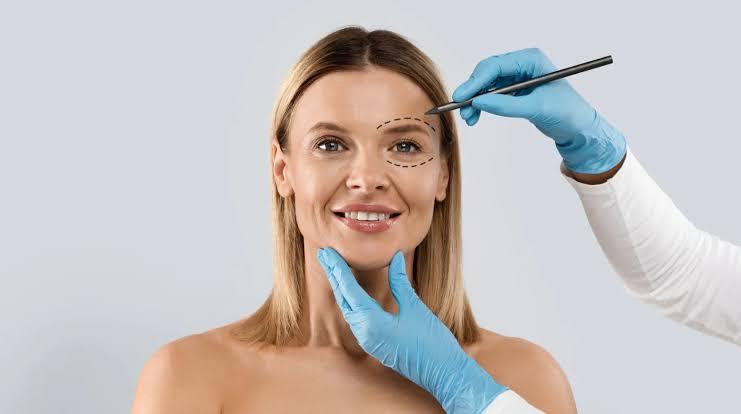
Under-eye bags can make a person appear tired, even after a full night of sleep. Puffiness, loose skin, and fullness beneath the eyes may gradually become more noticeable as the face changes with age. Understanding the reasons behind these changes helps individuals explore suitable options, including Eye Bag Removal in Dubai and learn how different treatments can address the appearance of the lower eyelids. The most appropriate approach depends on the underlying cause, skin condition, and desired outcome.
What Causes Under-Eye Bags?
Under-eye bags develop when changes in the skin, muscles, and supporting tissues affect the delicate area beneath the eyes. Although ageing is a common factor, several other influences can contribute to their appearance.
Age-Related Changes
As a person ages, the skin gradually loses some of its elasticity and firmness. The muscles and connective tissues supporting the lower eyelids may also weaken, allowing the fat naturally surrounding the eyes to become more prominent. These changes can create a fuller appearance beneath the eyes and make the lower eyelids look less smooth.
Genetic Factors
Genetics can influence the shape of the eye area and the tendency to develop under-eye puffiness. Some individuals naturally have prominent lower eyelid fat pads or a facial structure that makes bags more noticeable. When these characteristics run in a family, under-eye fullness may appear at a relatively young age.
Fluid Retention
Temporary fluid accumulation can make the area beneath the eyes appear swollen. This may be more noticeable after waking up, following a salty meal, or during periods of disrupted sleep. Fluid-related puffiness can fluctuate throughout the day and may not require a surgical approach.
Reduced Skin Elasticity
The skin beneath the eyes is naturally delicate and relatively thin. Over time, reduced elasticity can contribute to creasing, looseness, and a less defined lower eyelid contour. When loose skin is a major concern, treatment planning may focus on improving the contour while preserving a natural appearance.
Lifestyle and Sleep Patterns
Insufficient sleep, irregular sleeping habits, and prolonged fatigue can make existing under-eye concerns more noticeable. These factors may contribute to temporary puffiness or a tired-looking appearance, although they do not explain every case of persistent under-eye bags.
How Can Under-Eye Bags Be Identified?
Under-eye bags can appear differently from one person to another. Recognising their main characteristics helps determine which treatment approach may be appropriate.
Puffy Lower Eyelids
Puffy lower eyelids usually appear as rounded areas beneath the eyes. They may result from prominent fat pads, temporary fluid retention, or a combination of both. Persistent fullness caused by protruding fat may require a different approach from swelling that changes throughout the day.
Loose or Crepey Skin
Loose skin can create fine folds and wrinkles beneath the eyes. The lower eyelid may appear less firm, especially when smiling or looking upward. When excess skin is the main concern, a treatment designed to address skin laxity may be considered.
Hollow Areas and Shadows
Some individuals notice a hollow groove between the lower eyelid and cheek. This feature can create shadows that resemble under-eye bags, even when there is little actual swelling. Identifying whether the concern comes from fullness, hollowness, or both is important when selecting a suitable treatment.
Persistent Under-Eye Fullness
Fullness that remains visible throughout the day may be associated with the natural position of the lower eyelid fat pads or changes in supporting tissues. A qualified professional can assess whether the appearance is primarily caused by fat protrusion, excess skin, or another factor.
Which Treatments Can Address Under-Eye Bags?
Treatment selection depends on the cause and severity of the concern. Two principal approaches are lower eyelid surgery and non-surgical skin-tightening treatments. Each addresses different features, so an individual assessment is important before making a decision.
Lower Eyelid Surgery
Lower blepharoplasty, commonly known as lower eyelid surgery, is a procedure designed to improve the contour of the area beneath the eyes. It may be suitable for individuals with persistent fat protrusion, excess skin, or structural changes that create noticeable bags.
During the procedure, the treatment plan may involve removing or repositioning fat and, when appropriate, removing excess skin. The surgical technique depends on the individual's anatomy and the condition of the lower eyelids.
An incision may be placed inside the lower eyelid when the main concern is fat protrusion and excess skin removal is unnecessary. When loose skin also needs to be addressed, an incision may be made just beneath the eyelashes. The appropriate method is determined through a professional examination.
The aim is to create a smoother, more balanced under-eye contour while maintaining the natural shape of the eyes. Not every individual requires fat removal; in some cases, repositioning fat may help create a more even transition between the lower eyelid and cheek.
Non-Surgical Skin-Tightening Treatments
Non-surgical treatments may be considered when mild skin laxity or fine lines are the main concerns. Depending on the individual's condition, options may include radiofrequency-based treatments or other energy-based procedures intended to stimulate tissue remodelling and improve skin firmness.
These approaches do not involve the same surgical process as lower blepharoplasty. Their suitability depends on skin quality, the degree of laxity, and whether prominent fat pads are present. They may offer limited improvement when substantial under-eye bags are caused by protruding fat or significant excess skin.
A professional assessment can clarify whether a non-surgical approach is reasonable or whether the underlying structure requires a different treatment strategy.
What Happens During an Under-Eye Treatment Assessment?
An assessment helps establish the cause of under-eye bags and identify realistic treatment goals. The process generally includes examining the lower eyelids, reviewing relevant health history, and discussing the individual's concerns.
The evaluation may consider:
-
The amount and position of fat beneath the eyes.
-
The firmness and elasticity of the lower eyelid skin.
-
The presence of hollow areas, shadows, or asymmetry.
-
Whether puffiness changes throughout the day.
-
General eye health and factors that may affect treatment suitability.
The findings help determine whether surgery, a non-surgical procedure, or further evaluation is appropriate. Individuals should understand the expected degree of improvement before proceeding.
What Benefits Can Under-Eye Treatment Offer?
When selected appropriately, treatment may help create a smoother and more refreshed appearance. Potential benefits depend on the method used and the features being addressed.
A Smoother Lower Eyelid Contour
Addressing prominent fat pads or excess skin may reduce the appearance of persistent bags and improve the transition between the lower eyelids and cheeks.
A More Rested Appearance
Reducing visible puffiness or improving skin firmness may help the eye area appear less tired. The goal is to maintain the person's natural facial features rather than create an artificial or dramatically altered appearance.
Improved Facial Balance
The under-eye area contributes to overall facial expression. When fullness or loose skin is prominent, carefully selected treatment may create a more balanced appearance around the eyes.
Frequently Asked Questions
Can Under-Eye Bags Develop at a Young Age?
Yes. Genetic factors, facial anatomy, fluid retention, and sleep patterns can contribute to under-eye bags in younger individuals. Age-related tissue changes are only one possible cause.
Are All Under-Eye Bags Caused by Excess Fat?
No. Some result from loose skin, temporary fluid accumulation, hollowing, or a combination of these features. Correctly identifying the cause is essential for choosing an appropriate treatment.
Is Surgery Necessary for Every Case?
No. Mild puffiness or skin laxity may not require surgery. Non-surgical options may be considered for selected concerns, while more prominent fat protrusion or substantial excess skin may be better addressed through surgical assessment.
How Is the Appropriate Treatment Selected?
The decision depends on lower eyelid anatomy, skin quality, the severity of the concern, general health, and personal goals. A qualified professional can explain which approach is suitable and what results may reasonably be expected.
Conclusion
Under-Eye Bag Removal can develop because of ageing, inherited facial features, reduced skin elasticity, fluid retention, and changes in the tissues surrounding the eyes. Understanding these causes allows individuals to make informed decisions about treatment. Lower eyelid surgery may address prominent fat pads and excess skin, while selected non-surgical skin-tightening procedures may help improve mild laxity. The most suitable approach depends on the underlying concern, and a thorough assessment helps establish realistic expectations. With an appropriate treatment plan, individuals can explore ways to achieve a smoother, more refreshed under-eye appearance while preserving their natural facial characteristics.

