


Anal discomfort, itching, and bleeding during bowel movements can be worrying, especially when the cause is unclear. Two common conditions that may produce these symptoms are haemorrhoids and anal fissures. Although they can sometimes feel similar, they affect different parts of the anal area and often cause different types of pain.
Understanding the difference between haemorrhoids and anal fissures can help you recognise warning signs and seek appropriate medical care. If symptoms persist or return frequently, a professional assessment is important to determine the underlying cause and identify a suitable treatment approach.
What Are Haemorrhoids?
Haemorrhoids treatment in Dubai are swollen or enlarged blood vessels in and around the anus and lower rectum. They can develop when pressure increases in this area, including during straining to pass stools, chronic constipation, or prolonged sitting on the toilet.
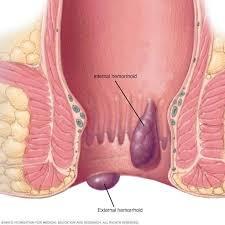
There are two main types of haemorrhoids:
-
Internal haemorrhoids: These develop inside the rectum and often cause painless, bright red bleeding during bowel movements. Some may protrude through the anus.
-
External haemorrhoids: These develop beneath the skin around the anus. They may cause itching, swelling, discomfort, or a painful lump, particularly when a blood clot forms.
Not every case causes noticeable symptoms. However, persistent bleeding, swelling, or discomfort should be assessed by a healthcare professional rather than automatically attributed to haemorrhoids.
What Is an Anal Fissure?
An anal fissure is a small tear or crack in the delicate lining of the anal canal. It commonly develops when passing a hard or large stool stretches and damages the tissue. Repeated diarrhoea, childbirth, and other forms of local irritation can also contribute.
The most recognisable symptom is sharp, cutting, or burning pain during a bowel movement. The discomfort may continue for several minutes or even hours afterwards. Some people also notice a small amount of bright red blood on toilet paper or on the surface of the stool.
Acute fissures may heal with appropriate care, but fissures that persist for several weeks can become chronic and may require additional medical treatment.
Haemorrhoids vs Anal Fissures: Key Differences
Although both conditions can cause rectal bleeding, the pattern of symptoms may provide useful clues.
1. Type of pain
Haemorrhoids do not always cause pain, particularly when they are internal. External haemorrhoids can become painful if swollen or affected by a blood clot.
Anal fissures typically cause sharp pain during and after passing stool. This pain may make people anxious about having their next bowel movement.
2. Bleeding patterns
Both conditions can cause bright red bleeding. With internal haemorrhoids, bleeding may occur without significant pain. With anal fissures, bleeding is often accompanied by sharp or burning discomfort.
However, bleeding patterns alone cannot confirm either diagnosis.
3. Swelling and lumps
External haemorrhoids may produce a noticeable lump around the anus. A thrombosed haemorrhoid can appear as a particularly tender lump.
An anal fissure is a tear rather than a swollen blood vessel. Chronic fissures may sometimes develop a small skin tag nearby, but this finding alone does not establish the diagnosis.
4. Itching and irritation
Haemorrhoids can cause itching, moisture, and irritation around the anus. Fissures may also cause irritation, but pain during bowel movements is often the more prominent symptom.
What Causes These Conditions?
Haemorrhoids and anal fissures share several risk factors, particularly constipation and straining. Nevertheless, their underlying mechanisms differ.
Haemorrhoids are associated with enlarged vascular cushions and supporting tissue changes in the anal canal. Anal fissures develop when the delicate lining tears, sometimes followed by increased muscle spasm that interferes with healing.
Common contributing factors include:
-
Passing hard stools or straining repeatedly.
-
A diet low in fibre.
-
Inadequate fluid intake.
-
Chronic diarrhoea or frequent bowel movements.
-
Prolonged sitting on the toilet.
-
Pregnancy and childbirth, which may increase pressure or strain in the anal region.
Addressing constipation, maintaining adequate hydration, and gradually increasing dietary fibre can help reduce straining and support bowel health.
How Are Haemorrhoids and Anal Fissures Diagnosed?
A healthcare professional usually begins by asking about the duration of symptoms, bleeding, pain patterns, bowel habits, medical history, and any previous treatments.
Depending on the symptoms, the assessment may include an external examination, a gentle rectal examination, or anoscopy to examine the anal canal. Some examinations may need to be modified or delayed if a fissure causes significant pain.
Further investigations, such as blood tests or bowel examinations, may be recommended when the history or examination suggests another cause of bleeding.
Self-diagnosis is not always reliable because other conditions, including inflammatory bowel disease, infections, and colorectal disorders, can produce similar symptoms.
Treatment Options for Haemorrhoids and Anal Fissures
Treatment depends on the diagnosis, severity, and duration of symptoms.
Haemorrhoid treatment may include increasing fibre intake, improving bowel habits, warm sitz baths, and appropriate short-term medicines for symptom relief. Persistent or more advanced cases may require procedures such as rubber band ligation or surgery, depending on the type and severity.
Anal fissure treatment often focuses on keeping stools soft, avoiding straining, and taking warm baths. A clinician may prescribe topical medication to relax the anal sphincter and support healing. Chronic fissures that do not respond to conservative treatment may require specialist procedures or surgery.
Medicines should be selected with professional guidance, particularly when symptoms are persistent, bleeding is recurrent, or other medical conditions are present.
When Should You Seek Medical Attention?
Arrange a medical assessment if you experience repeated rectal bleeding, persistent anal pain, a new lump, or symptoms that do not improve with basic measures.
Seek urgent medical attention for heavy or continuous bleeding, black or tarry stools, dizziness, fainting, severe worsening pain, or fever accompanied by anal swelling.
Even when bleeding is small, it should not automatically be assumed to result from haemorrhoids or a fissure.
Haemorrhoids Assessment at Tajmeels Clinic
At tajmeels clinic dubai, patients seeking guidance about haemorrhoids treatment in Dubai can discuss their symptoms, medical history, and concerns during a clinical consultation. An appropriate assessment helps determine whether symptoms may be consistent with haemorrhoids, an anal fissure, or another condition that requires further investigation.
Treatment recommendations should be based on the individual's findings, symptom severity, and overall health. Patients should also understand the expected benefits, limitations, and follow-up requirements of any proposed treatment. Where specialist colorectal evaluation is needed, an appropriate referral can help ensure that patients receive the right level of care.
Conclusion
Haemorrhoids and anal fissures can both cause anal discomfort and bright red bleeding, but they differ in their underlying causes and typical symptoms. Haemorrhoids may cause swelling, itching, or painless bleeding, while anal fissures more commonly produce sharp pain during and after bowel movements.
Because symptoms can overlap, a medical assessment is the safest way to identify the cause and select appropriate treatment. Early evaluation can also help prevent ongoing discomfort and ensure that other possible causes of bleeding are not overlooked.
More Information
Tajmeels Clinic Dubai
WhatsApp: +971 56 203 8751
Phone: tel:+971 43739000
Social Media:
