

Chimney Bricks and Chimney Inspections: How to Spot Damage and Protect Your Home

A brick chimney adds timeless character to a property, but maintaining its strength requires more than occasional visual checks. Constant exposure to rain, wind, moisture, and seasonal temperature changes can gradually weaken masonry and affect the chimney's overall condition. Even a small crack or deteriorating mortar joint can allow water to enter, potentially leading to expensive repairs if the problem is ignored. Understanding how chimney bricks deteriorate and why regular Chimney Inspections matter can help homeowners recognize early warning signs, protect their property, and maintain a safer, more reliable fireplace system throughout the year.
Why Chimney Bricks Need Regular Maintenance
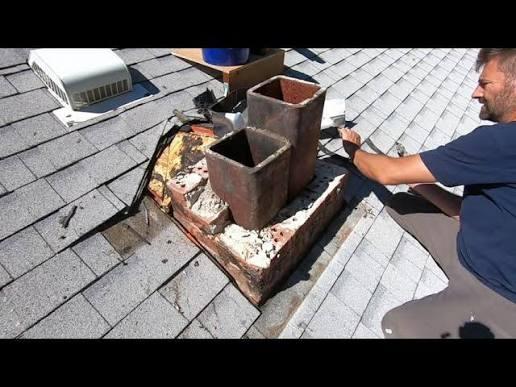
Chimney bricks are designed to withstand demanding outdoor conditions, but they are not immune to deterioration. Over time, moisture can penetrate porous masonry, while temperature fluctuations may contribute to cracking and surface damage. Mortar joints can also weaken, leaving gaps that allow water to reach the inner sections of the structure.
When these problems develop, the damage may spread beyond the visible surface. Loose bricks, deteriorating mortar, and water infiltration can affect the chimney's stability and create additional maintenance concerns.
Regular maintenance helps homeowners identify these issues before they become more complicated. A well-maintained chimney also improves the appearance of the property and can help extend the useful life of its masonry.
Common Signs of Damaged Chimney Bricks
Recognizing the early symptoms of masonry deterioration is an important part of chimney care. Homeowners should look for changes in the brickwork and arrange a professional assessment when something appears unusual.
1. Cracked or Spalling Bricks
Spalling occurs when the outer surface of a brick begins to flake, chip, or break away. This damage may result from prolonged moisture exposure, weathering, or repeated freeze-thaw cycles.
Cracked or spalling bricks should not be ignored, especially when deterioration affects several areas. A masonry professional can determine whether individual bricks need replacement or whether the damage indicates a broader moisture problem.
2. Crumbling Mortar Joints
Mortar holds individual bricks together and helps limit water penetration. When it becomes loose, powdery, or missing, the masonry becomes more vulnerable to further deterioration.
Depending on the extent of the damage, repairs may involve repointing, which removes deteriorated mortar and replaces it with compatible new material. Choosing the right mortar is essential because an unsuitable, excessively hard mixture can damage softer bricks over time.
3. White Stains on the Masonry
White, powdery deposits on chimney bricks may indicate efflorescence. This occurs when moisture moves through masonry, dissolves soluble salts, and leaves them behind as the water evaporates.
Efflorescence does not always indicate serious structural damage, but recurring deposits may suggest ongoing moisture movement. The source of the moisture should be investigated rather than simply cleaning the visible stains.
4. Loose or Displaced Bricks
Bricks that appear loose, uneven, or displaced can indicate deteriorated mortar or structural movement. These conditions deserve prompt professional attention because unstable masonry may pose a falling-object hazard.
Avoid climbing onto the roof or attempting to remove loose bricks yourself. A qualified professional can assess the condition and recommend an appropriate repair.
Why Professional Chimney Inspections Are Essential
A chimney may look sound from the ground while important problems remain hidden inside the flue or beneath the visible masonry. This is why professional Chimney Inspections are an essential part of responsible home maintenance.
An inspection can help identify structural deterioration, damaged mortar, moisture intrusion, flue obstructions, and other conditions that may affect chimney performance or safety. The scope of the inspection depends on the chimney's construction, accessibility, and condition.
A professional assessment may include examining:
-
Exterior brickwork and mortar joints
-
The chimney crown and visible masonry surfaces
-
Flashing where the chimney meets the roof
-
Accessible portions of the flue liner
-
The firebox and other relevant fireplace components
-
Signs of water penetration or previous repairs
The inspection findings help determine whether the chimney needs routine maintenance, localized masonry work, cleaning, or more extensive repairs.
For chimneys serving fireplaces or fuel-burning appliances, annual inspections are widely recommended. The National Fire Protection Association advises that chimneys, fireplaces, and vents be inspected at least once a year for soundness, freedom from deposits, and correct clearances.
How Weather Conditions Affect Chimney Masonry
Weather is one of the most significant factors influencing the condition of exposed chimney bricks. In areas such as Vancouver and the Lower Mainland, frequent rainfall and damp conditions can contribute to moisture-related masonry problems.
When water enters cracks or deteriorated mortar joints, it can weaken the surrounding materials. In colder weather, trapped moisture may freeze and expand, potentially worsening existing cracks and causing brick surfaces to break apart.
Strong winds and heavy rain can also expose weaknesses in chimney caps, flashing, and crowns. If these components fail to direct water away effectively, moisture may enter the structure and damage both masonry and nearby building materials.
Preventive maintenance should therefore address the entire chimney system rather than focusing only on visible brick damage.
Which Chimney Repairs May Be Necessary?
The correct repair depends on the type and severity of deterioration identified during an inspection.
Chimney repointing: Deteriorated mortar is removed and replaced when the surrounding bricks remain suitable for retention.
Brick replacement: Severely cracked or spalling bricks may need to be replaced with compatible materials.
Chimney crown repair: Cracks or damaged sections of the crown may require suitable repairs or reconstruction to reduce water penetration.
Flashing repair: Damaged flashing can allow water to enter where the chimney passes through the roof. Repairing this area may be essential to prevent recurring leaks.
Chimney rebuilding: Extensive structural deterioration may require partial rebuilding or, in severe cases, more comprehensive reconstruction.
A professional should identify the underlying cause of the damage before recommending a solution. Simply covering cracks or applying a surface coating may not resolve the problem if water continues entering the masonry.
Practical Ways to Protect Your Chimney
Homeowners can take several steps to maintain their chimney and reduce the likelihood of expensive repairs.
-
Schedule professional Chimney Inspections at least annually.
-
Watch for missing mortar, cracked bricks, and visible masonry changes.
-
Address roof and chimney leaks promptly.
-
Keep chimney caps and other protective components in suitable condition.
-
Use compatible masonry materials for repairs.
-
Seek professional advice before applying waterproofing products or sealants.
-
Arrange an additional inspection after significant damage or when new warning signs appear.
If the chimney shows substantial movement, extensive cracking, or loose masonry, keep people away from the affected area until it has been assessed.
Choose Experienced Chimney and Masonry Professionals
Reliable chimney maintenance requires an understanding of masonry materials, weather exposure, structural condition, and fireplace safety. When choosing a service provider, look for relevant experience, appropriate insurance, clear estimates, and an explanation of the recommended work.
Homeowners in Vancouver, Burnaby, Coquitlam, and surrounding Lower Mainland communities can consider professional masonry services when their chimneys show signs of deterioration. Red Brick Chimney Services Ltd. serves these communities with chimney and masonry services, helping property owners assess repair needs and maintain their brick structures.
A professional inspection can provide a clearer understanding of the chimney's condition and help prioritize repairs according to their urgency.
Conclusion
Strong chimney bricks and regular Chimney Inspections are both important for protecting a home's masonry and maintaining a dependable fireplace system. Cracked bricks, deteriorating mortar, white surface deposits, and loose masonry can indicate problems that deserve attention before further damage develops.
By arranging annual inspections, addressing moisture issues, and choosing appropriate repair methods, homeowners can preserve their chimney's appearance and reduce the risk of more extensive deterioration. Consistent maintenance is a practical investment in the long-term condition of the property and the reliability of its chimney system.
