

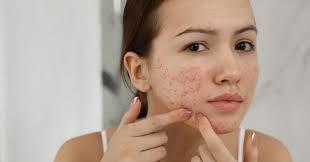

Facial pimples can develop for several reasons, including excess oil production, clogged pores, hormonal changes, bacteria, and skin irritation. Although pimples may look similar at first, their appearance, severity, and underlying causes can vary significantly. Understanding these differences is an important step toward choosing an appropriate Pimple treatment in Dubai.
A professional skin assessment helps determine whether breakouts involve blackheads, whiteheads, inflamed pimples, or deeper acne lesions. At Tajmeels Clinic, an individualized evaluation approach can help patients understand their skin concerns and explore suitable treatment options based on their skin condition, medical history, and personal needs.
Why Identifying the Type of Pimple Matters
Not every facial pimple requires the same treatment. Some breakouts involve blocked pores, while others develop deeper inflammation that may cause discomfort or scarring. Using unsuitable products or repeatedly trying different remedies without understanding the problem can aggravate irritation.
Accurate assessment helps distinguish between different acne lesions and other skin conditions that may resemble pimples. It also allows the treatment approach to consider skin sensitivity, existing marks, and the likelihood of future breakouts.
A suitable plan should focus on improving the current condition while supporting long-term skin health rather than simply addressing individual spots.
Evaluating Different Types of Facial Pimples
Whiteheads and Blackheads
Whiteheads and blackheads are common forms of non-inflammatory acne. Whiteheads develop when pores become blocked by oil and dead skin cells beneath a closed surface. Blackheads form when a pore remains open and its contents darken through exposure to air.
During an assessment, a skincare professional considers the number of blocked pores, their distribution, and whether the surrounding skin shows signs of irritation.
Management may involve appropriate cleansing, non-comedogenic skincare, and selected topical ingredients. Salicylic acid, for example, may help unclog pores in suitable individuals. The best option depends on skin tolerance and the overall condition of the skin.
Red and Inflamed Pimples
Red, swollen pimples often indicate inflammation. Some may contain visible pus, while others appear as raised, tender bumps. These breakouts can occur when clogged follicles become inflamed.
Evaluation considers the extent of redness, the number of lesions, their location, and whether the patient experiences pain or recurring flare-ups. The professional may also ask about recently introduced skincare products, medications, and previous acne treatments.
Treatment depends on severity and may include topical acne medication or other medically appropriate options. Inflamed acne should not be squeezed, as this can worsen irritation and increase the risk of marks or scarring.
Deep and Painful Acne Lesions
Some pimples develop deeper beneath the skin and feel firm, swollen, or painful. Nodules and cyst-like acne lesions can be more difficult to manage than ordinary surface breakouts.
A professional evaluation helps determine their severity and whether medical dermatology care is necessary. The assessment may include questions about how long the lesions have been present, how frequently they return, and whether previous breakouts have left scars.
Deep or persistent acne may require prescription treatment. Early medical attention is particularly important when lesions are painful, widespread, or associated with developing scars.
Factors That Can Influence Facial Breakouts
Identifying the visible type of pimple is only one part of the evaluation. Several personal and environmental factors may contribute to recurring acne.
Skin type and oil production: Oily skin may be more prone to clogged pores, but people with dry or combination skin can also experience acne.
Hormonal changes: Hormonal fluctuations can influence oil production and contribute to breakouts, particularly around the chin and jawline.
Skincare habits: Heavy or pore-clogging products, harsh cleansers, and excessive exfoliation may aggravate certain skin conditions.
Lifestyle and environment: Sweat, friction, stress, and inadequate sleep may contribute to flare-ups in some individuals. Dubai's hot and humid conditions can also make sweat management and suitable skincare important.
Medical history: Existing conditions, medications, and previous treatments can affect which options are appropriate.
These factors are assessed individually because the same trigger does not affect everyone in the same way.
How Tajmeels Clinic Approaches Pimple Assessment
At tajmeels clinic dubai, evaluating different types of facial pimples involves understanding the patient's specific concerns rather than relying only on the appearance of individual spots. A consultation may consider the distribution of breakouts, skin texture, sensitivity, previous treatments, and whether acne has caused pigmentation or scarring.
Patients can discuss when their pimples first appeared, which products they currently use, and whether their skin improves or worsens with particular routines. This information helps guide a more informed discussion about suitable treatment options.
Depending on the findings, recommendations may include adjustments to skincare, professional acne treatments where appropriate, or referral for medical evaluation if the condition requires specialist care. Treatment suitability should always be determined individually, and no single approach is appropriate for every type of pimple.
Patients should also understand that acne improvement takes time. Consistent care, realistic expectations, and appropriate follow-up are important parts of managing recurring breakouts.
When Should You Seek Professional Pimple Treatment in Dubai?
Occasional minor pimples may improve with gentle cleansing and suitable over-the-counter products. However, professional assessment is advisable when breakouts persist, become painful, spread across the face, or repeatedly return despite consistent skincare.
You should also seek medical advice if pimples begin leaving permanent-looking scars, develop into deep lumps, or significantly affect your confidence and daily life. Sudden or unusual skin changes may require evaluation to rule out other conditions.
Avoid picking or squeezing pimples, as this can increase inflammation and the likelihood of post-inflammatory marks. Use a gentle cleanser, choose non-comedogenic moisturizers, and apply broad-spectrum sunscreen to help protect the skin.
Conclusion
Evaluating different types of facial pimples involves more than identifying visible spots. Understanding whether breakouts involve clogged pores, inflammation, deeper lesions, or other skin conditions helps guide appropriate care. Skin type, hormonal influences, product use, and medical history also contribute to treatment decisions.
Through an individualized consultation, Tajmeels Clinic can help patients explore suitable approaches to pimple treatment in Dubai and understand the importance of consistent skincare. For persistent, painful, or scarring acne, seeking qualified medical advice can help prevent complications and support healthier skin over time.
More Information
Tajmeels Clinic Dubai
WhatsApp: +971 56 203 8751
Phone: tel:+971 43739000
Social Media:
