

Sclerotherapy is a minimally invasive medical procedure used to treat certain visible veins, including spider veins and some small varicose veins. The treatment involves injecting a specially formulated solution into the targeted vein, causing it to close gradually so that blood can be redirected through healthier veins. Understanding the procedure, its benefits, potential risks, and recovery expectations can help individuals make informed decisions before treatment.
At EV Clinic, patients can explore suitable vein treatment options following a professional assessment of their symptoms, vein appearance, and medical history. Learning about Sclerotherapy In Dubai can help patients understand how the procedure works and whether it may be appropriate for their individual concerns.
Understanding Sclerotherapy Treatment
Sclerotherapy is commonly used to manage spider veins and selected small varicose veins. During the procedure, a healthcare professional injects a sclerosing solution directly into the targeted vessel. This solution irritates the vein's inner lining, causing the vessel to close over time.
Once the treated vein closes, blood flow is redirected through other functioning veins. The body gradually absorbs the treated vessel, making it less visible in many cases. The number of sessions required depends on the size, number, and location of the veins, as well as the individual's response to treatment.
At EV Clinic, a consultation can help determine whether sclerotherapy is suitable or whether additional evaluation or another treatment approach is needed.
Who May Benefit From Sclerotherapy?
Sclerotherapy may be appropriate for individuals concerned about visible spider veins or certain small varicose veins. Some people seek treatment primarily for cosmetic reasons, while others may experience symptoms such as aching, heaviness, or discomfort associated with their veins.
However, not every visible vein should be treated in the same way. Larger varicose veins, underlying venous reflux, or symptoms suggesting a more complex vascular condition may require further investigation. A medical assessment helps identify the underlying issue and determine the most appropriate course of care.
Patients should also discuss relevant medical conditions, allergies, medications, previous blood clots, and pregnancy or breastfeeding status with their healthcare professional before proceeding.
What Happens During Sclerotherapy Treatment in Dubai?
The procedure typically begins with an examination of the affected area and a discussion of treatment goals. Depending on the clinical findings, the practitioner may recommend an ultrasound assessment to evaluate blood flow and identify underlying venous problems.
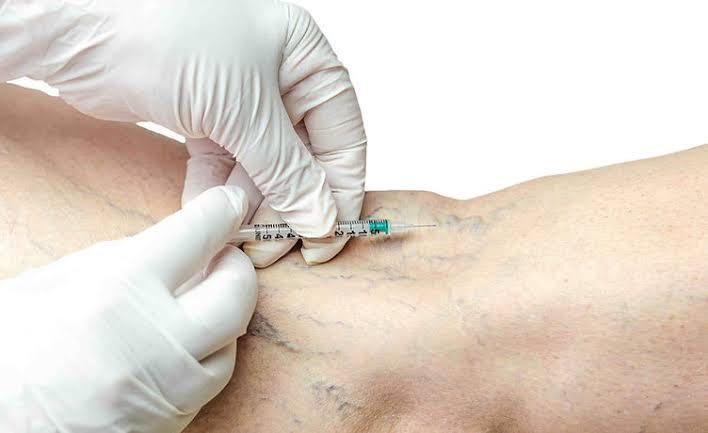
During treatment, the skin is cleaned, and a fine needle is used to inject the solution into the selected veins. Multiple veins may be treated during one session, depending on the treatment plan and the patient's suitability.
The procedure is generally performed without general anaesthesia, and many patients can return to routine activities shortly afterward. The duration varies according to the number of veins being treated and the complexity of the procedure.
Patients considering Sclerotherapy Treatment in Dubai should discuss the proposed technique, expected outcomes, and any preparation requirements during their consultation at EV Clinic.
Understanding Sclerotherapy Cost in Dubai
The overall cost of sclerotherapy can vary considerably depending on the extent of the treatment required. Factors that may influence pricing include the number and size of the veins, the number of sessions, the technique used, and whether additional diagnostic assessments are necessary.
Some patients may require only a limited treatment session, while others may need multiple appointments to address several areas. The final cost should therefore be discussed after an individual assessment rather than based solely on a general estimate.
Patients researching Sclerotherapy Cost In Dubai should ask for a clear explanation of the proposed treatment plan, the expected number of sessions, consultation charges, and any additional costs that may apply.
At EV Clinic, discussing these details before treatment can help patients understand the scope of care and plan accordingly.
Preparing for Your Sclerotherapy Appointment
Preparation begins with providing an accurate medical history and discussing all medications and supplements. Certain medicines may affect bruising or bleeding, but patients should never stop prescribed medication without advice from their healthcare professional.
Patients should also inform the practitioner about previous vein treatments, known allergies, circulation problems, and any history of blood clots. These details help determine whether sclerotherapy is appropriate and whether any additional precautions are necessary.
Following the clinic's instructions about clothing, activity, and appointment preparation can make the treatment process more straightforward. Compression stockings may be recommended in some cases, depending on the treatment and clinical circumstances.
Recovery and Aftercare Following Sclerotherapy
Recovery is usually manageable, and many patients can resume normal daily activities shortly after the procedure. Mild bruising, tenderness, redness, itching, or temporary discoloration may occur around the treated area.
Walking is often encouraged after treatment because it supports circulation. Patients should follow their practitioner's advice regarding exercise, prolonged standing, strenuous activity, compression garments, and exposure to heat.
Visible results develop gradually rather than immediately. Some veins may take several weeks or longer to fade, and multiple sessions may be required. Treated veins may improve significantly, but results vary, and new veins can develop over time.
Patients should seek prompt medical advice if they experience worsening pain, significant swelling, skin ulceration, or other unexpected symptoms. Sudden shortness of breath or chest pain requires emergency medical attention.
Potential Risks and Important Considerations
Although sclerotherapy is generally well tolerated when appropriately performed, it carries potential risks. These may include bruising, temporary pigmentation changes, small areas of hardened tissue, inflammation, and the development of tiny new surface vessels.
Less common but more serious complications can include allergic reactions, skin injury, blood clots, or visual and neurological disturbances, particularly with certain techniques or circumstances.
A qualified healthcare professional should explain the benefits and limitations of treatment, assess individual risk factors, and provide clear instructions about follow-up care. Patients should understand that sclerotherapy may improve the appearance of treated veins but does not necessarily address every underlying cause of venous disease.
Why Choose EV Clinic for Sclerotherapy?
Choosing a provider for vein treatment involves considering clinical qualifications, appropriate assessment, treatment planning, and access to follow-up care. A thorough consultation helps establish whether the procedure is suitable and whether other investigations or treatment options should be considered.
At EV Clinic, patients can discuss their vein concerns, learn about the sclerotherapy process, and understand the factors that may influence treatment outcomes. Clear communication about preparation, recovery, potential risks, and costs supports informed decision-making.
Frequently Asked Questions
Is sclerotherapy painful?
Patients may experience mild discomfort, stinging, or a burning sensation during injections. The level of discomfort varies depending on the treatment area and individual sensitivity.
How many sclerotherapy sessions are needed?
The number of sessions depends on the number, size, and location of the veins being treated. Some patients require one session, while others need several appointments.
How long does it take to see results?
Improvement generally develops over several weeks, although larger veins may take longer to respond. The final outcome varies between individuals.
Can treated veins return?
Treated veins usually close, but new veins can appear over time. Additional treatment may be appropriate if further veins develop.
Is sclerotherapy suitable for everyone?
No. Suitability depends on medical history, the type of vein problem, circulation, and other individual factors. A professional assessment is necessary before treatment.
Conclusion
Sclerotherapy can be an effective option for selected spider veins and small varicose veins when performed following appropriate medical assessment. Understanding the procedure, expected recovery, potential risks, and treatment costs helps patients approach their decision with realistic expectations.
At EV Clinic, individuals can explore their treatment options through a consultation focused on their vein concerns and medical needs. A personalized plan can help determine whether sclerotherapy is suitable and support informed decisions about vein care.
