

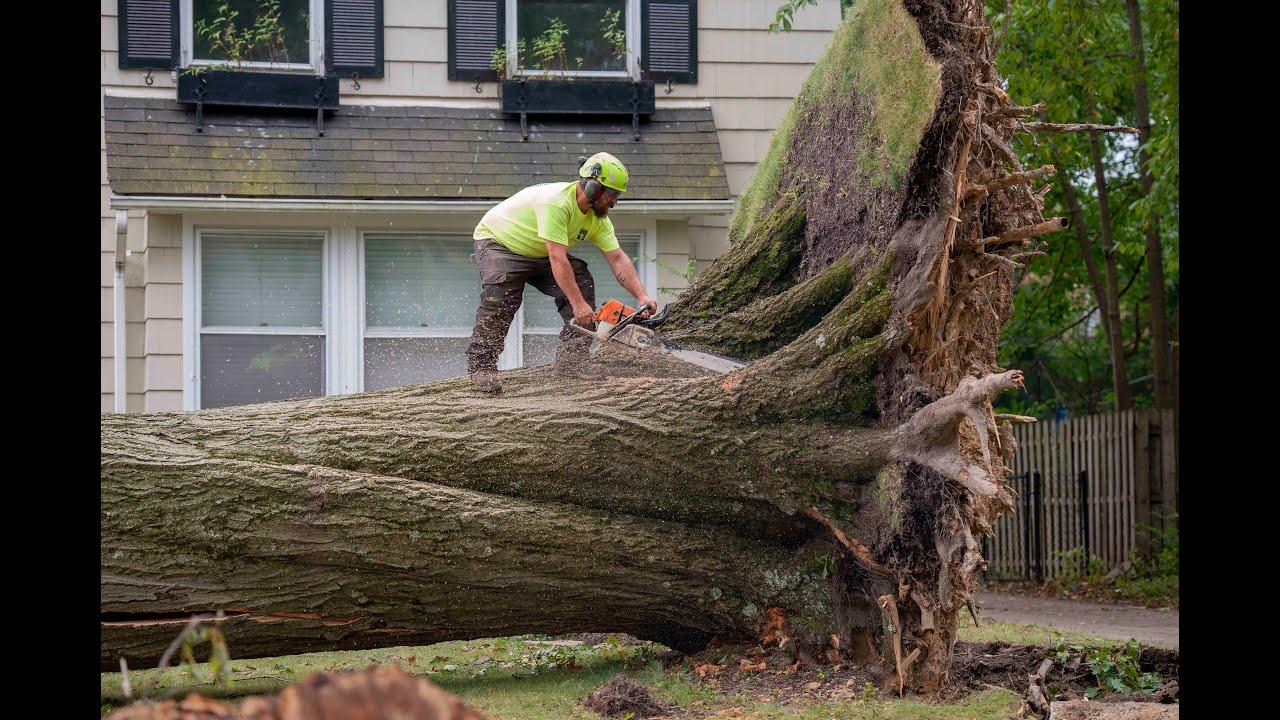
Tree Removal After Storm Hutchinson KS: Restore Your Yard with Barnes Tree And Stump Removal

A severe storm can change the look of your yard in minutes. Strong winds may snap heavy branches, split tree trunks, or push entire trees onto roofs, fences, and driveways. Once the weather clears, the damage can feel overwhelming, especially when you're unsure whether a tree can be saved or needs to be removed. Tree Removal After Storm Hutchinson KS helps homeowners address storm-damaged trees and reduce potential hazards around their properties.
Barnes Tree And Stump Removal is worth considering when looking for tree removal and stump services in Hutchinson, Kansas. Whether a tree has fallen across your driveway or a large limb is hanging dangerously above your home, knowing what to do next matters. A careful assessment, sensible safety precautions, and a clear cleanup plan can help you protect your property and get your outdoor space back in order.
What to Do When a Storm Damages Your Trees
After a storm, it's natural to want to start cleaning up immediately. Broken branches scattered across the lawn, damaged fences, and fallen trees can make your property look like a disaster area. Still, rushing into cleanup can create additional risks.
Start by inspecting the area from a safe distance. Look for obvious hazards without walking beneath damaged branches or approaching trees that appear unstable. A trunk may have hidden cracks, and branches caught in other trees can fall unexpectedly.
If a tree or branch has contacted a power line, stay well away and contact the utility company or emergency services as appropriate. Never attempt to move the tree or handle the line yourself.
Once you've confirmed that you can safely observe the damage, take these steps:
-
Photograph visible damage for insurance documentation.
-
Keep children, pets, and visitors away from dangerous areas.
-
Check whether driveways, walkways, and entrances are blocked.
-
Look for trees leaning toward buildings or vehicles.
-
Contact a qualified tree professional to assess serious damage.
For example, a large branch resting on a garage roof may look stable, but its weight can shift as the branch dries or the surrounding structure moves. Avoid trying to pull it down yourself.
A calm, safety-first response helps you identify urgent problems and determine which cleanup tasks need professional attention.
Tree Removal After Storm Hutchinson KS: Recognizing Dangerous Trees
Not every storm-damaged tree needs to be removed. Some trees can recover after appropriate pruning, while others suffer damage that makes them unsafe to leave standing. The challenge is knowing the difference.
A tree may still have green leaves and appear healthy even when its trunk or root system has been compromised. That's why looking at the overall structure matters more than judging the tree by its foliage alone.
Watch for these warning signs after severe weather:
-
A newly leaning trunk: A sudden change in position can indicate root damage or instability.
-
Split or cracked wood: Major cracks in the trunk or at large branch connections may weaken the tree.
-
Exposed or lifted roots: Soil raised around the base can suggest that the root plate has shifted.
-
Hanging branches: Broken limbs caught in the canopy may fall without warning.
-
Large sections of missing bark: Significant damage may expose underlying wood and affect the tree's health.
-
A fallen or partially uprooted tree: These conditions may create immediate hazards, especially near buildings or walkways.
The location of the tree also affects the level of concern. A damaged tree in an open section of a yard may pose less immediate risk than one leaning over a bedroom, driveway, or neighboring property.
Professional Tree Removal Hutchinson KS can help property owners determine whether a storm-damaged tree requires removal or whether another treatment is appropriate. A qualified professional can assess the damage and recommend a suitable approach.
How Professional Tree Removal Protects Your Property ?
Removing a storm-damaged tree is often more complicated than removing a healthy tree in an open area. Broken branches may be unstable, the trunk may be under unusual tension, and the tree could be resting against a structure.
Professional removal involves assessing these conditions before choosing the safest workable method. Depending on the tree's size and location, the crew may need specialized equipment to lower branches and trunk sections in a controlled manner.
What Happens During Storm-Damaged Tree Removal?
Although every situation is different, the process generally includes several stages:
-
Initial assessment: The tree's condition, location, and surrounding hazards are evaluated.
-
Removal planning: The team determines how to access the tree and manage its weight and damaged sections.
-
Controlled cutting: Branches and trunk sections are removed using suitable equipment and safety procedures.
-
Debris handling: Fallen limbs, cut wood, and other material are collected according to the agreed scope.
-
Final cleanup: The work area is checked, and included cleanup tasks are completed.
Suppose a storm breaks a large tree near your driveway, leaving part of the trunk suspended against another tree. Cutting the suspended section without understanding the forces involved could cause it to shift suddenly. This is one reason storm cleanup should be left to trained professionals when significant hazards are present.
Before hiring a service, request a written estimate and confirm whether hauling, stump grinding, and additional cleanup are included. These details help you understand the expected cost and avoid confusion after the work is finished.
Emergency Tree Cleanup and Storm Damage Assessment
Some storm damage requires immediate attention, while other problems can be scheduled for a later date. Knowing which situation you're dealing with can help you communicate clearly with a tree service.
An emergency may involve a tree resting on a home, blocking an essential entrance, or creating an immediate danger to people. A broken branch hanging over a frequently used walkway may also need urgent assessment.
Other situations, such as a fallen tree in an unused section of the backyard, may allow more time for planning.
When contacting a tree removal company, explain the situation as clearly as possible. Share the tree's approximate size, its location, and any visible damage. Mention whether it is touching a building, blocking access, or near overhead electrical lines. Photographs taken from a safe location may help communicate the problem.
A few practical steps can make the process easier:
-
Keep access routes clear when it's safe to do so.
-
Avoid parking vehicles beneath damaged trees.
-
Don't climb trees or cut branches that are under tension.
-
Keep records of the damage and any related repair estimates.
-
Ask about the expected response time and the services available.
Professional Tree Removal Hutchinson KS may be needed when storm damage creates a serious hazard or makes a tree structurally unsafe. However, avoid assuming that every fallen branch requires complete tree removal.
A proper assessment helps determine the appropriate work and keeps attention focused on the most pressing concerns first.
Stump Grinding and Yard Restoration After a Storm
After a damaged tree has been removed, the remaining stump can become another obstacle. It may interfere with mowing, occupy valuable space, or complicate plans to repair a lawn or redesign the yard.
Stump grinding uses specialized equipment to grind the stump below the surrounding ground level. The process usually leaves some roots in the soil, but it can make the area easier to prepare for future landscaping.
Before arranging stump work, think about what you want to do with the cleared space. Do you plan to grow grass, install a garden bed, or rebuild a damaged section of the yard? The answer may affect how the area should be finished.
Stump grinding and cleanup can help homeowners:
-
Remove an obstacle from the lawn.
-
Improve access for mowing and routine yard maintenance.
-
Prepare the area for grass or other landscaping.
-
Reduce the risk of people tripping over an exposed stump.
-
Give the property a more finished appearance after removal.
Storms can also leave behind scattered branches, damaged shrubs, and disturbed soil. Once dangerous trees and limbs have been addressed, inspect the surrounding area for additional damage.
If a tree fell near a fence, walkway, or garden bed, check those features before planning repairs. Heavy equipment may also affect the lawn, so ask the contractor how access will be managed and what cleanup is included.
Barnes Tree And Stump Removal is worth considering when comparing options for Tree Removal and Stump Services in Hutchinson, Kansas. Discuss your restoration goals beforehand so the work can be planned around your property's needs.
Preventing Future Tree Problems Before the Next Storm
You can't control the weather, but you can take steps to identify potential tree problems before the next round of strong winds arrives.
Regular observation is a good starting point. Walk around your property occasionally and look for dead branches, visible trunk cracks, fungal growth, or changes in the way a tree leans. Pay particular attention to mature trees near buildings, driveways, and areas where people regularly gather.
Consider these preventive measures:
-
Schedule periodic tree assessments: A qualified professional can identify concerns that may not be obvious from the ground.
-
Prune appropriately: Removing selected dead or damaged branches may reduce certain hazards.
-
Monitor root areas: Avoid unnecessary digging or soil disturbance around important roots.
-
Maintain good drainage: Address standing water or drainage issues that may affect soil conditions around trees.
-
Plan tree placement carefully: When planting new trees, consider mature height, canopy spread, and proximity to structures.
Avoid topping trees or cutting large branches without understanding the consequences. Improper pruning can damage a tree and create future maintenance problems.
It's also sensible to review your homeowner's insurance policy so you understand how storm-related tree damage and debris removal may be covered. Coverage varies by policy and circumstance, so check the actual terms rather than assuming every cleanup expense will be reimbursed.
Preventive care won't eliminate every storm-related risk, but it can help you spot developing problems and make better decisions before severe weather arrives.
Conclusion: Get Your Yard Back in Shape with Barnes Tree And Stump Removal
Storm damage can leave homeowners dealing with fallen trees, broken branches, damaged landscaping, and concerns about property safety. Taking a careful approach helps you address immediate hazards first, understand which trees need removal, and plan the cleanup that follows.
Choosing Tree Removal After Storm Hutchinson KS can help you explore practical options for handling damaged trees and restoring your outdoor space. From assessing dangerous limbs to arranging stump grinding, it's worth discussing the full scope of work before making a decision.
Consider contacting Barnes Tree And Stump Removal to discuss your storm-damaged trees and cleanup needs in Hutchinson, Kansas. Ask about assessment, removal methods, debris hauling, and stump services. With appropriate precautions and a well-planned approach, you can work toward a safer property and a yard that's ready for recovery.
