

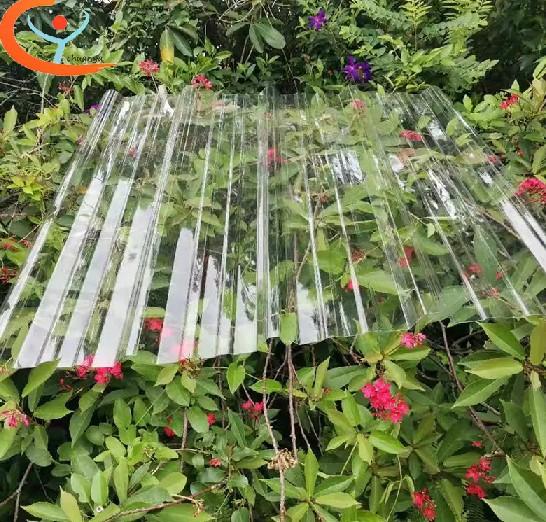

The roof is one of the most visible elements of a building, influencing its proportions, decorative style, and overall architectural impression. For developers, designers, and construction material buyers, Chinese-style Roofing Materials provide opportunities to introduce traditional design features into a wide range of building projects. By selecting suitable Chinese-style Roofing Materials, project teams can coordinate roof decorations, exterior finishes, and architectural details to create a unified appearance. Whether used for residential properties, garden structures, cultural facilities, or commercial buildings, these materials offer different possibilities for combining traditional aesthetics with contemporary construction needs.
Creating a Consistent Architectural Theme
A successful roofing design begins with a clear architectural direction. Chinese-inspired buildings often feature distinctive roof outlines, decorative edges, and coordinated tile arrangements. These elements can be adapted to different building types, allowing designers to establish a recognizable visual theme without making every architectural detail identical.
For example, a garden pavilion may use decorative roofing elements to create a connection with the surrounding landscape, while a restaurant may incorporate traditional roof details to reinforce its interior and exterior design concept. Residential projects can also use selected decorative components around entrances, terraces, or prominent roof sections.
When planning these features, designers should consider building proportions, roof dimensions, wall finishes, and nearby architectural elements. A consistent design approach helps decorative roofing materials become part of the complete building composition.
Selecting Decorative Components for Different Roof Areas
A decorative roof may include several components, each serving a different visual or structural purpose. Main roof tiles establish the surface pattern, while ridge elements and eaves components help define the roof's edges and intersections. Additional decorative pieces can create visual emphasis around selected sections.
Choosing compatible components is important because differences in dimensions, profiles, and finishes may affect the final arrangement. Buyers should review how individual products connect before confirming a complete material selection. Roof drawings and reference photographs can help communicate the intended layout to suppliers and installation teams.
Projects with complex roof shapes may require additional planning around corners, ridges, valleys, and transitions between different roof sections. Preparing a component list in advance can help purchasing teams organize product quantities and avoid overlooking necessary accessories.
Chuanya Options for Customized Roofing Projects
Different construction projects have different requirements for roof appearance, product dimensions, and decorative details. Chuanya provides building material options that buyers can explore when planning traditional-inspired roofing and exterior decoration.
For projects with specific design expectations, product selection should begin with accurate measurements and clear visual references. Buyers can prepare architectural drawings, roof layouts, and photographs showing the desired decorative effect. These materials help suppliers understand the project's requirements and discuss suitable product configurations.
It is also useful to confirm available colors, surface finishes, dimensions, and matching components before placing a bulk order. Sample evaluation can help designers assess how the products coordinate with other exterior materials. Clear communication at this stage supports better cooperation among purchasing departments, designers, suppliers, and contractors.
Coordinating Roofing Materials with Exterior Finishes
Roofing materials should complement the other surfaces of a building. Wall colors, exterior cladding, doors, windows, and decorative trims all contribute to the overall visual result. A carefully selected roof finish can connect these elements and create a balanced appearance.
Color selection deserves particular attention. Some projects may require traditional color combinations, while others may use more restrained tones to suit contemporary surroundings. Texture and surface appearance can also influence how the roof looks under different lighting conditions.
Before finalizing a design, project teams can compare samples with the actual exterior materials whenever possible. This approach helps reduce differences between the planned appearance and the completed building. It also allows designers to consider how the roof will look from different viewing angles.
Installation Preparation and Ongoing Care
Decorative roofing products need appropriate installation planning to achieve the intended appearance. Construction teams should confirm roof dimensions, supporting structures, fixing methods, overlap arrangements, and connection details before work begins. Following product guidance and applicable building requirements is important throughout the process.
After installation, periodic inspections can help identify loose components, damaged surfaces, or accumulated debris. Maintenance methods should suit the selected roofing material, and replacement pieces should match the existing profile and finish as closely as possible.
For architects, contractors, and building material distributors, a well-coordinated roofing project depends on product compatibility, design planning, and installation preparation. To explore decorative roofing products and related building materials, visit https://www.chuanyabuilding.com/
