

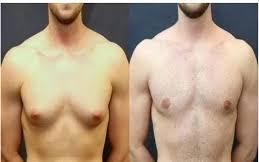

Yes, Gynaecomastia Surgery in Dubai can develop during adulthood even when a man's body weight remains stable. Male breast enlargement is not always related to excess body fat. In many cases, it occurs because of changes in hormone levels, particularly the balance between testosterone and oestrogen. Certain medications, medical conditions, and natural hormonal changes can also contribute to the development of enlarged male breast tissue.
Understanding why gynaecomastia develops is important for men who notice changes in their chest despite maintaining a healthy weight. Identifying the underlying cause helps determine whether medical monitoring, lifestyle adjustments, or surgical treatment may be appropriate.
What Is Gynaecomastia in Adult Men?
Gynaecomastia is a condition involving the enlargement of glandular breast tissue in males. It can affect one or both sides of the chest and may develop gradually or become noticeable over a relatively short period.
Unlike pseudogynaecomastia, which involves excess fat accumulation in the chest area, true gynaecomastia develops because of an increase in glandular tissue.
Men with this condition may experience:
-
A firm or rubbery area beneath the nipple.
-
Increased breast fullness or projection.
-
Tenderness or sensitivity around the chest.
-
Uneven enlargement on one side.
-
Changes in nipple appearance.
These symptoms can occur in men who are physically active, maintain a balanced diet, and have a stable body weight.
Why Can Gynaecomastia Develop Without Weight Gain?
Body weight is only one factor affecting chest appearance. Gynaecomastia can develop independently of weight changes because several internal processes influence male breast tissue.
1. Hormonal Imbalance
The balance between testosterone and oestrogen plays an important role in male breast tissue development. Testosterone supports typical male characteristics, while oestrogen can stimulate breast tissue growth.
When testosterone levels decrease or oestrogen activity increases, glandular breast tissue may enlarge. This can happen even when a man maintains the same weight and follows an active lifestyle.
Hormonal changes may be associated with ageing, certain medical conditions, or other physiological factors.
2. Natural Hormonal Changes With Age
Although gynaecomastia is commonly associated with puberty, it can also develop during middle age and later adulthood.
As men grow older, testosterone levels may gradually decline. Changes in hormone production and metabolism can influence the balance between testosterone and oestrogen.
This means adult men may notice breast enlargement without experiencing significant changes in their overall body composition.
3. Medication-Related Factors
Certain prescription medications can contribute to gynaecomastia by affecting hormone production, hormone activity, or the body's response to these hormones.
Some medicines used for prostate conditions, cardiovascular problems, and other health concerns have been associated with male breast enlargement.
Men should not stop prescribed medication independently if they notice chest changes. A qualified healthcare professional can review their medication history and determine whether an alternative or further investigation is necessary.
4. Underlying Medical Conditions
Some health conditions can influence hormone levels and contribute to breast tissue enlargement.
Examples include:
-
Thyroid disorders, particularly hyperthyroidism.
-
Liver disease affecting hormone metabolism.
-
Kidney disease.
-
Conditions affecting testosterone production.
-
Certain testicular or hormone-producing tumours.
These conditions do not affect everyone in the same way. However, unexplained breast enlargement in adulthood should be medically assessed to identify possible underlying causes.
How Is Gynaecomastia Different From Chest Fat?
One of the most common concerns among men is determining whether their enlarged chest is caused by glandular tissue or excess fat.
Although both conditions can create a fuller chest appearance, they have different underlying causes.
|
Feature |
Gynaecomastia |
Chest Fat |
|---|---|---|
|
Main cause |
Enlarged glandular tissue |
Excess fatty tissue |
|
Weight relationship |
Can occur without weight gain |
Often associated with fat accumulation |
|
Texture |
Often firm or rubbery |
Usually softer |
|
Nipple area |
May appear raised or prominent |
Fullness may be more evenly distributed |
|
Weight loss |
May not resolve enlargement |
May improve chest fullness |
A physical examination is important because these conditions can sometimes occur together. In such cases, a healthcare professional may recommend additional investigations to understand the tissue composition.
When Should Adult Men Seek Medical Assessment?
Men should consider a medical assessment when they notice new or persistent breast enlargement, particularly if it develops without an obvious explanation.
Certain symptoms require prompt medical attention, including:
-
A hard or fixed lump in the breast.
-
Enlargement that occurs rapidly.
-
Nipple discharge, especially if bloody.
-
Skin dimpling or changes around the nipple.
-
Persistent or significant breast pain.
-
Swelling or lumps in the testicular area.
Not every change indicates a serious condition, but these symptoms should not be ignored. Depending on the findings, a healthcare professional may recommend blood tests, imaging, or other investigations.
Can Gynaecomastia Be Treated Without Losing Weight?
Yes. When gynaecomastia is caused by glandular tissue rather than excess fat, losing weight may not eliminate the enlargement.
Treatment depends on the underlying cause, how long the condition has been present, and the amount of glandular tissue involved.
Possible approaches include:
Medical management: If a medication or underlying health condition contributes to breast enlargement, addressing that factor may help prevent further development or improve the condition.
Monitoring: Some cases may require observation, particularly when the enlargement is recent and the underlying cause is expected to improve.
Gynaecomastia surgery: For persistent glandular enlargement, surgery may be considered. The procedure commonly involves removing excess glandular tissue, and liposuction may also be used when excess fat is present.
Surgery is not necessary for every patient. A proper assessment helps establish whether an operation is appropriate.
How Tajmeels Clinic Approaches Gynaecomastia Assessment in Dubai
At tajmeels clinic dubai, understanding the individual factors behind male breast enlargement is an important part of discussing gynaecomastia treatment. Patients may have different concerns, including glandular tissue development, chest asymmetry, nipple prominence, or a combination of fat and glandular enlargement.
An individual assessment helps evaluate chest anatomy, skin condition, medical history, and treatment expectations. These details are important when discussing whether gynaecomastia surgery may be suitable.
Patients can also discuss the surgical approach, possible recovery requirements, expected changes, and potential limitations before making a decision. The objective is to support informed treatment planning based on individual needs rather than assuming that every case of male breast enlargement has the same cause.
Frequently Asked Questions
1. Can Gynaecomastia Develop in Men Over 30 Without Weight Gain?
Yes. Hormonal changes, certain medications, and underlying medical conditions can contribute to gynaecomastia in men over 30, even when their weight remains stable.
2. Does Gynaecomastia Always Mean Low Testosterone?
No. Gynaecomastia can develop because of changes in the balance between testosterone and oestrogen activity. Low testosterone is only one possible contributing factor.
3. Can Exercise Prevent Gynaecomastia in Adults?
Regular exercise supports overall health and helps manage body fat, but it cannot always prevent glandular breast tissue enlargement caused by hormonal or medical factors.
4. Will Gynaecomastia Disappear on Its Own in Adulthood?
Some cases may improve when the underlying cause is corrected. However, long-standing glandular enlargement may persist and require medical or surgical evaluation.
5. Is Gynaecomastia Surgery Suitable for Men With Normal Body Weight?
Yes. Men with a normal body weight may be suitable candidates if they have persistent glandular breast enlargement. Suitability depends on individual anatomy, health, and medical assessment.
Conclusion
Gynaecomastia can develop during adulthood without weight gain because its causes are not limited to excess body fat. Hormonal changes, ageing, medications, and certain medical conditions can all contribute to male breast enlargement. Understanding the difference between glandular tissue and chest fat is essential for selecting an appropriate treatment approach. Men experiencing unexplained or persistent chest changes should seek professional medical advice before considering treatment.
More Information
Tajmeels Clinic Dubai
WhatsApp: +971 56 203 8751
Phone: tel:+971 43739000
Social Media:
