

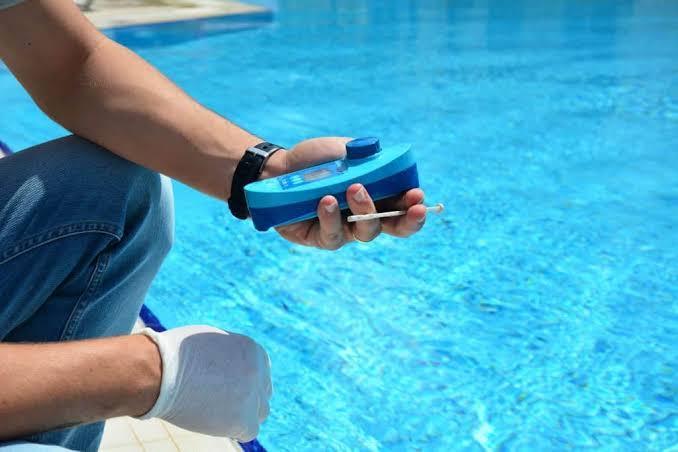

A swimming pool can make a Florida home more enjoyable, especially during the state's long, warm seasons. However, owning a pool also comes with responsibilities that go beyond keeping the water clean and maintaining an attractive outdoor space. Pool equipment, electrical components, safety barriers, plumbing, and surrounding surfaces all require attention to help keep the area functional and safe.
Whether you are purchasing a home with an existing pool or maintaining one you already own, understanding its condition is essential. A professional swimming pool inspection can help identify visible concerns, highlight maintenance needs, and give homeowners a clearer understanding of the pool's overall condition. In 2026, increased attention to property safety, preventive maintenance, and careful home evaluations makes this service an important consideration for many Florida property owners.
Why Pool Inspections Matter for Florida Properties
Florida's climate creates particular challenges for swimming pools. High temperatures, intense sunlight, frequent rain, humidity, and occasional severe storms can gradually affect pool surfaces and equipment. Outdoor components may experience weather-related deterioration, while water chemistry problems can contribute to staining, corrosion, or damage to certain materials.
A pool may look clean and inviting while still having problems that are not immediately obvious. A pump may be noisy, a filter may not operate efficiently, or a visible crack may indicate a concern that deserves further evaluation. Damaged barriers, loose handrails, and deteriorated decking can also create potential safety issues.
An inspection provides an opportunity to examine accessible pool components and document observable conditions. It is not a guarantee that every defect will be discovered or that the pool will remain problem-free. Instead, it offers useful information that can help buyers and homeowners make informed maintenance and repair decisions.
What Does a Professional Pool Evaluation Cover?
The exact scope depends on the inspector, the property, and the services arranged in advance. A typical visual evaluation may consider several important areas.
Pool Structure and Interior Surface
The inspector may look for visible cracks, damaged tiles, surface deterioration, staining, and other signs of wear. These observations can help identify areas that may need attention from a qualified pool contractor.
Not every crack indicates a serious structural problem. Its location, appearance, and surrounding conditions matter. When a concern appears significant, further assessment by a specialist may be recommended.
Pumps, Filters, and Circulation Equipment
The circulation system plays an important role in maintaining pool water quality. Pumps move water through the filtration system, while filters help remove suspended debris and particles.
An evaluation may include observing accessible equipment for visible leaks, unusual noise, corrosion, damaged connections, and apparent operating concerns. Equipment performance can vary, so a visual inspection should not be treated as a complete mechanical test or guarantee of future operation.
Plumbing and Visible Connections
Pool plumbing can develop leaks, loose connections, and deterioration over time. Inspectors may examine accessible pipes, valves, fittings, and equipment connections for visible signs of trouble.
Underground plumbing and concealed components generally require specialized testing to determine whether leaks are present. If water loss appears unusual, a pool leak detection specialist may be needed.
Electrical Components and Safety Features
Electrical equipment around water deserves particular attention. Accessible components, visible wiring conditions, lighting, and equipment connections may be reviewed within the agreed inspection scope.
Homeowners should never attempt to repair electrical equipment near a swimming pool without appropriate qualifications. Concerns involving bonding, grounding, wiring, or electrical protection should be referred to a licensed electrician familiar with pool installations.
Safety barriers, gates, latches, handrails, and accessible entry points may also be observed. Applicable safety requirements can vary by property and local regulations, so owners should confirm the standards that apply to their situation.
The Growing Importance of Preventive Pool Maintenance in 2026
Homeowners are increasingly recognizing that routine maintenance can help identify small concerns before they become more complicated repairs. Rather than waiting for equipment failure or visible damage, property owners can benefit from regular checks of important pool components.
Several practical maintenance habits deserve attention:
-
Monitor water chemistry: Maintain appropriate chemical balance according to pool-care guidance to help protect surfaces and equipment.
-
Clean filters regularly: Follow the manufacturer's recommendations for cleaning and replacing filter components.
-
Watch water levels: Unexpected water loss may indicate evaporation, a leak, or another issue that deserves investigation.
-
Check visible surfaces: Look for loose tiles, cracks, damaged coping, and deteriorating deck materials.
-
Maintain safety barriers: Check gates, latches, and access controls regularly to help prevent unintended entry.
-
Prepare for severe weather: Secure removable accessories and follow appropriate pool-care recommendations before and after storms.
These habits do not replace professional evaluations, but they can help homeowners stay aware of changing conditions.
When Should You Arrange a Pool Inspection?
There are several situations when arranging an evaluation can be especially useful.
Before purchasing a property: A home with a swimming pool has additional components that buyers should understand before completing a purchase. A general home inspection may not include a detailed pool evaluation, so buyers should confirm the inspection scope and arrange a separate service when necessary.
After severe weather: Strong winds, heavy rainfall, and flying debris can damage pool enclosures, equipment, electrical components, and surrounding surfaces. An evaluation after a major storm can help identify visible damage that needs attention.
When equipment behaves unusually: Strange pump noises, poor circulation, recurring leaks, or unexplained changes in water level may indicate developing problems.
Before listing a home: Sellers may benefit from understanding the pool's visible condition before marketing the property. Identifying maintenance concerns early can make it easier to plan repairs and provide prospective buyers with relevant information.
How to Choose the Right Pool Inspection Professional
Not every inspection provider offers the same services. Before scheduling, ask what components will be evaluated, whether equipment will be operated, and which areas are excluded. Confirm whether the report includes photographs and written observations, and ask how concerns requiring specialist attention will be communicated.
It is also important to understand the difference between a visual inspection and specialized services. A standard evaluation may not include water laboratory testing, underground leak detection, structural engineering, code compliance certification, or a complete electrical assessment.
A qualified professional should explain these limitations rather than promise that every possible problem will be found. If the inspection identifies a significant concern, obtain an additional assessment from the appropriate licensed contractor or specialist before deciding how to proceed.
Protect Your Investment With a Better Understanding of Pool Condition
A swimming pool adds enjoyment and value to many Florida properties, but it also introduces maintenance requirements and potential safety concerns. Understanding the condition of its structure, equipment, plumbing, and accessible safety features can help homeowners plan responsibly.
A professional swimming pool inspection is particularly valuable when purchasing a property, preparing a home for sale, or investigating visible signs of deterioration. By combining a clear inspection report with regular maintenance and timely specialist advice, property owners can make better-informed decisions about their outdoor investment.
