

Automatic Barrier Installation in UAE: Improving Vehicle Access and Property Security

Managing vehicle movement is an important part of maintaining security at residential, commercial, and industrial properties. Busy entrances, parking facilities, gated communities, and private premises need reliable systems to control which vehicles can enter or leave. Traditional manual gates may require constant supervision and can slow down traffic during busy periods. Modern automated barriers offer a more convenient way to manage vehicle access while supporting organized entry and exit procedures. Professional Automatic barrier installation in UAE helps property owners introduce controlled access systems suited to their locations and daily operational needs.
Automatic barriers are commonly used at building entrances, office parking areas, shopping centers, warehouses, hotels, and residential communities. These systems use a motorized arm that moves up or down to allow or restrict vehicle passage. When combined with suitable access control technology, they can provide a practical solution for managing authorized vehicles.
What Is an Automatic Barrier System?
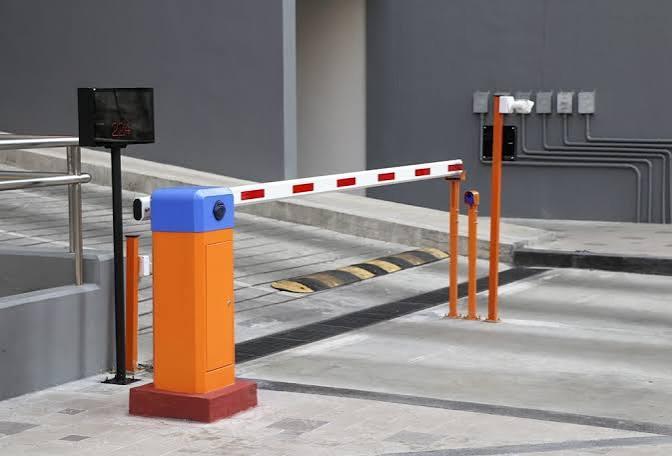
An automatic barrier system, often called a boom barrier, is an electrically operated device designed to control vehicle movement through a designated entrance or exit. Its main components typically include a barrier cabinet, motor, boom arm, control board, and operating mechanism.
The system can be activated through different methods depending on its configuration. These may include remote controls, push buttons, access cards, RFID readers, vehicle number plate recognition, or integration with a parking management system.
When an authorized vehicle approaches, the system receives an opening command and raises the arm. Once the vehicle passes, the barrier can close automatically according to its programmed settings and safety controls.
Common Applications of Automatic Barriers
Automatic barriers are suitable for many types of properties across the UAE. Their design and operating features can be selected according to traffic volume, entrance width, and security requirements.
1. Residential Communities and Villas
Gated communities and private villas often need controlled vehicle access to improve property management. Automatic barriers can help restrict entry to authorized residents, visitors, and service vehicles.
Residents may use remote controls, access cards, or other approved credentials to operate the system. At larger residential developments, barriers can also be connected to security offices or visitor management platforms.
2. Commercial Buildings and Office Parking
Office buildings receive regular traffic from employees, customers, suppliers, and visitors. An automated barrier can help organize vehicle movement and reduce the need for staff to operate gates manually.
When integrated with access cards or parking management software, the system can support a more structured entry process. This is particularly useful for properties with designated employee and visitor parking areas.
3. Shopping Malls and Parking Facilities
Shopping centers and public parking facilities experience changing traffic levels throughout the day. Automatic barriers can help regulate vehicle entry and exit while working alongside ticket dispensers, payment terminals, RFID readers, and parking management systems.
The appropriate setup depends on the number of parking spaces, expected vehicle flow, and operating requirements.
4. Warehouses and Industrial Sites
Industrial facilities may need to restrict vehicle access to loading areas, storage zones, and operational entrances. Automatic barriers can work with security checkpoints and access control equipment to help manage authorized transportation.
For locations with frequent heavy vehicle movement, selecting a suitable barrier mechanism and boom length is especially important.
Benefits of Installing Automatic Barriers
Automated vehicle barriers offer several practical advantages when correctly selected and installed. They help property managers maintain organized access while reducing dependence on manual gate operation.
Important benefits include:
-
Controlled Vehicle Entry: Restrict access to authorized vehicles through compatible access control devices.
-
Improved Traffic Management: Help organize vehicle movement at busy entrances and parking facilities.
-
Convenient Operation: Use remote controls, RFID cards, keypads, or integrated systems to operate the barrier.
-
Integration Options: Connect suitable barriers with CCTV cameras, number plate recognition, and parking management technology.
-
Reduced Manual Work: Automate routine opening and closing operations according to programmed settings.
These advantages make automatic barriers useful for properties that require regular vehicle access management.
Important Features to Consider Before Installation
Choosing the right barrier requires more than selecting a motorized arm. Property owners should evaluate several technical and operational factors before deciding on a system.
Boom Length and Entrance Width: The barrier arm should match the available entrance space. Larger vehicle entrances may require longer arms or a suitable alternative arrangement.
Operating Speed: Opening and closing speed should match the expected traffic volume. Busy entrances may need equipment designed for frequent operation.
Safety Sensors: Photocells, loop detectors, and other compatible safety devices can help detect vehicles or obstacles and reduce the risk of the boom closing at the wrong time.
Power Backup: Selected models support backup batteries or manual release options, which can help maintain access during certain power interruptions.
Weather Resistance: Equipment installed outdoors should be suitable for local environmental conditions, including heat, dust, and exposure to moisture.
Access Control Compatibility: The barrier should support the required operating method, such as RFID readers, keypads, remote controls, or approved vehicle recognition systems.
The Automatic Barrier Installation Process
A successful installation starts with understanding the property and its traffic requirements. Professional technicians should assess the entrance layout, available space, ground condition, electrical supply, and intended operating method before beginning the work.
The installation area needs a stable, level foundation capable of supporting the barrier cabinet. Electrical conduits and communication cables should be planned before the equipment is fixed in position. The boom arm must then be fitted and balanced according to the manufacturer's instructions.
After the physical installation, technicians configure the control board, operating limits, access devices, and safety sensors. The system should be tested under normal operating conditions to confirm that the arm moves correctly and responds to opening and closing commands.
Manufacturer installation guidance emphasizes proper foundations, suitable clearances, electrical preparation, and safety-device configuration. These details are important for stable operation and long-term reliability.
Maintenance for Long-Term Performance
Regular maintenance helps keep an automatic barrier system operating smoothly. Dust, environmental exposure, frequent movement, and electrical issues can affect equipment performance over time.
Property managers should arrange periodic inspections of the motor, boom arm, mounting points, control board, wiring, and safety sensors. Moving components should be checked according to manufacturer recommendations, and damaged parts should be addressed promptly.
Testing remote controls, access readers, backup systems, and emergency release functions is also important. A maintenance schedule can help identify developing problems before they cause unnecessary disruption at the entrance.
Why Choose Jesr Al Fasht Security Devices Fix?
Jesr Al Fasht Security Devices Fix provides security and automation solutions for residential and commercial properties. The company understands that vehicle access requirements vary between villas, office buildings, parking facilities, and industrial locations.
Selecting the appropriate barrier involves considering entrance dimensions, traffic frequency, access control requirements, and available installation space. A properly planned system can also work alongside CCTV surveillance, biometric access control, and other security technologies.
Jesr Al Fasht Security Devices Fix focuses on suitable equipment selection, professional installation, and system configuration to help customers establish practical vehicle access arrangements for their properties.
Conclusion
Automatic barriers provide a convenient way to regulate vehicle movement at residential, commercial, and industrial entrances. With features such as remote operation, RFID access, safety sensors, and parking system integration, they can support organized traffic management and controlled property access.
Choosing professional Automatic barrier installation in UAE helps ensure that the selected equipment matches the entrance layout and operational requirements. With proper installation and regular maintenance, Jesr Al Fasht Security Devices Fix can help property owners create a reliable vehicle access system suited to their needs.
Frequently Asked Questions
1. Where are automatic barriers commonly installed?
Automatic barriers are commonly installed at residential communities, office buildings, shopping malls, hotels, warehouses, industrial facilities, and private parking areas.
2. Can an automatic barrier work with an RFID access system?
Yes. Compatible automatic barriers can integrate with RFID readers, allowing authorized vehicles to operate the system using registered access cards or tags.
3. Do automatic barriers have safety features?
Many systems support safety devices such as photocells and loop detectors. These devices help detect vehicles or obstacles and improve the safety of barrier operation.
4. How often should an automatic barrier be maintained?
Maintenance frequency depends on the equipment model and daily usage. Regular inspections and servicing according to manufacturer recommendations help maintain reliable performance.
