

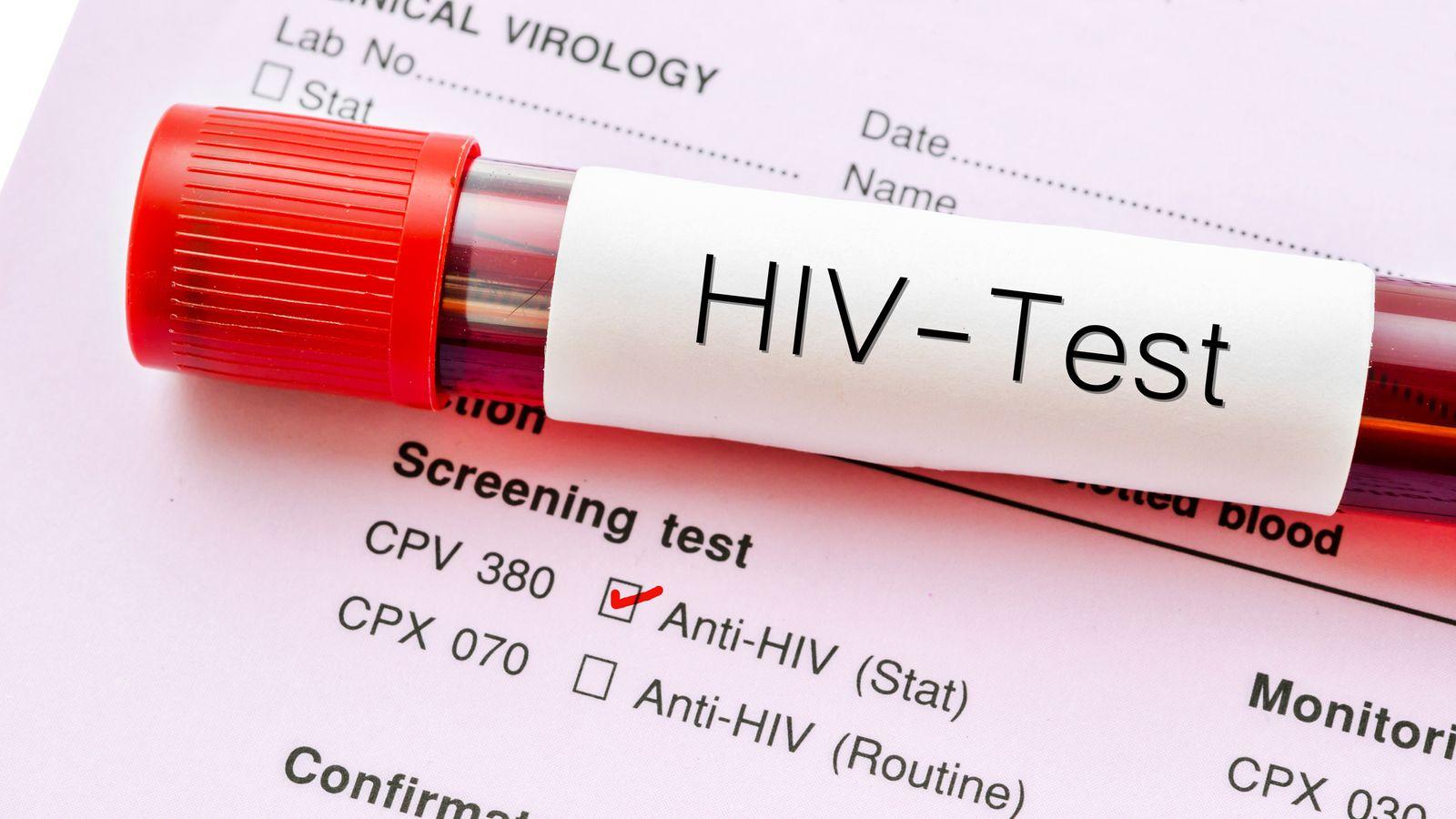
HIV Blood Test: Understanding Negative, Positive, and Indeterminate Results

An HIV blood test is one of the most reliable ways to determine whether someone has acquired human immunodeficiency virus (HIV). However, receiving a laboratory report can sometimes create confusion, particularly when the result includes terms such as negative, positive, reactive, or indeterminate. Understanding these terms is essential because each result has a different medical meaning and may require a different follow-up approach.
Whether you are taking an HIV test for routine screening, after a possible exposure, or as part of a medical examination, knowing how to interpret your results can help you make informed decisions about your health.
An HIV Blood Test in Dubai detects specific markers associated with the virus, including HIV antibodies, antigens, or viral genetic material. Modern testing methods are highly accurate, but factors such as the testing method, exposure date, and HIV window period can influence how results should be interpreted.
This comprehensive guide explains the differences between negative, positive, and indeterminate HIV blood test results, how testing works, when additional testing is necessary, and what steps to take after receiving your report.
Why HIV Blood Testing Matters for Early Diagnosis?
HIV testing plays an important role in preventing transmission, protecting immune health, and ensuring timely medical treatment.
HIV attacks the body's immune system, particularly CD4 cells, which help the body fight infections. Without appropriate treatment, the virus can gradually weaken immune function and potentially progress to acquired immunodeficiency syndrome (AIDS).
However, early diagnosis significantly improves the outlook for people living with HIV. Antiretroviral therapy (ART) can suppress the virus, protect the immune system, and allow individuals to live long and healthy lives.
An HIV blood test can identify infection before symptoms develop. This is particularly important because many people experience no noticeable symptoms during the early stages of HIV infection.
Routine HIV screening is therefore recommended as part of preventive healthcare, especially for individuals with potential exposure risks.
Decoding the Three Main HIV Blood Test Results:
HIV laboratory reports commonly use three important result categories: negative, positive, and indeterminate. Each category provides different information about the presence of HIV markers.
1. Negative HIV Blood Test Result: What Does It Indicate?
A negative HIV blood test generally means that the laboratory did not detect the HIV markers targeted by the test.
Depending on the testing method, these markers may include HIV-1 or HIV-2 antibodies, the p24 antigen, or HIV RNA.
A negative result is reassuring, particularly when testing takes place after the relevant window period has passed.
However, a negative HIV test does not always exclude infection if the test was performed too soon after a possible exposure.
Important factors to consider include:
-
The date of potential HIV exposure.
-
The type of HIV test performed.
-
Whether the test was conducted during the window period.
-
Whether antiretroviral medications such as PEP or PrEP could affect test interpretation.
If you have had a recent potential exposure, your healthcare provider may recommend repeating the test after the appropriate interval.
2. Positive HIV Blood Test Result: Understanding the Diagnosis
A positive HIV blood test means that the testing process has identified evidence of HIV infection.
However, the meaning of a positive result depends on the type of test and whether the required confirmatory testing has been completed.
For example, an initial reactive screening test may indicate possible HIV infection, but additional testing is needed before establishing a diagnosis.
Modern laboratory testing commonly follows a structured diagnostic process involving:
-
An HIV-1/2 antigen and antibody screening test.
-
An HIV-1 and HIV-2 antibody differentiation test.
-
An HIV nucleic acid test (NAT), when indicated.
Once HIV infection is confirmed, a healthcare professional may recommend additional investigations, including a CD4 count and viral load test.
These tests help evaluate immune function and determine the amount of HIV genetic material in the bloodstream.
A confirmed HIV diagnosis does not mean that someone has AIDS. HIV and AIDS are different stages of the disease, and effective treatment can prevent HIV from progressing to advanced immune deficiency.
3. Indeterminate HIV Blood Test Result: Why Is It Unclear?
An indeterminate HIV test result means that the laboratory findings are inconclusive and do not provide enough evidence to classify the result as negative or positive.
This result can occur when a screening test reacts but follow-up testing does not produce a clear answer.
Possible explanations include:
-
Very early HIV infection.
-
Nonspecific antibody reactions.
-
Incomplete development of detectable HIV antibodies.
-
Technical or specimen-related testing issues.
-
Differences between screening and supplemental testing methods.
An indeterminate result should not be interpreted as proof of HIV infection.
Your healthcare provider may recommend an HIV RNA test, repeat antibody testing, or another blood sample to clarify the result.
Negative vs. Positive vs. Indeterminate: A Clear Comparison
Understanding the differences between these HIV blood test results makes laboratory reports easier to interpret.
| HIV test result | General meaning | Recommended next step |
|---|---|---|
| Negative | No targeted HIV markers detected | Repeat testing if within the window period |
| Positive | Evidence of HIV infection established through appropriate testing | Consult an HIV specialist |
| Indeterminate | Findings are inconclusive | Complete additional testing |
| Reactive | Initial screening detected HIV-related markers | Follow the confirmatory testing algorithm |
| Non-reactive | Initial screening did not detect targeted markers | Consider exposure timing |
One important distinction is that reactive and positive do not always mean the same thing. A reactive screening result requires appropriate follow-up before a confirmed diagnosis can be established.
How Different HIV Blood Tests Detect the Virus?
Not all HIV blood tests work in the same way. Some detect antibodies produced by the immune system, while others identify viral proteins or genetic material.
Knowing which test was performed can help explain the timing and reliability of your results.
Fourth-Generation HIV Antigen and Antibody Test
The fourth-generation HIV test is widely used in laboratory screening.
It detects two important markers:
-
HIV antibodies produced by the immune system.
-
The p24 antigen, a protein associated with HIV.
By detecting both markers, this test can identify infection earlier than antibody-only testing.
According to the Centers for Disease Control and Prevention (CDC), a laboratory-based fourth-generation antigen/antibody test using blood from a vein can usually detect HIV infection 18 to 45 days after exposure.
HIV Antibody Test
An HIV antibody test looks for antibodies that the immune system produces in response to infection.
These tests may use blood from a vein, a finger-stick sample, or oral fluid, depending on the testing method.
Antibody tests generally have a longer detection window than laboratory-based fourth-generation tests.
HIV RNA Test or Nucleic Acid Test
An HIV RNA test detects the genetic material of the virus directly.
It can identify HIV infection earlier than many antibody-based tests and may be recommended when acute HIV infection is suspected or other test results are unclear.
However, NAT is not routinely necessary for every person undergoing HIV screening.
Understanding the HIV Window Period and Its Effect on Results:
The HIV window period is the time between potential exposure to HIV and the point when a specific test can reliably detect infection.
During this period, someone may have acquired HIV but still receive a negative screening result because the relevant markers have not reached detectable levels.
The CDC provides the following typical detection windows for different HIV tests, assuming no antiretroviral medication use:
| HIV testing method | Typical window period |
|---|---|
| NAT or HIV RNA test | 10–33 days |
| Laboratory antigen/antibody test | 18–45 days |
| Rapid finger-stick antigen/antibody test | 18–90 days |
| Antibody-only test | 23–90 days |
These timeframes are estimates and can vary between individuals and testing methods.
If your initial HIV blood test is negative but was performed within the window period, additional testing may be necessary.
People using PrEP or PEP should follow specific medical testing recommendations because antiretroviral medications can affect the timing and interpretation of HIV test results.
Important: If you think you may have been exposed to HIV within the last 72 hours, seek urgent medical attention to discuss post-exposure prophylaxis (PEP). Treatment must be started within 72 hours and works best when started as soon as possible.
What Happens After Receiving an HIV Blood Test Result?
Your next step depends on the result and the circumstances surrounding your test.
If your result is negative:
-
Check whether the test was performed after the relevant window period.
-
Discuss repeat testing if exposure was recent.
-
Follow preventive healthcare recommendations.
If your result is positive:
-
Confirm that the diagnostic testing process has been completed.
-
Arrange an appointment with an HIV specialist.
-
Discuss baseline investigations, including viral load and CD4 count.
-
Begin antiretroviral treatment as recommended.
If your result is indeterminate:
-
Ask your healthcare provider which test produced the unclear result.
-
Complete any recommended HIV RNA or supplemental testing.
-
Return for repeat testing when advised.
-
Avoid treating an inconclusive result as a confirmed diagnosis.
Confidential medical counseling can also help address anxiety and provide reliable information about prevention and treatment.
Can HIV Test Results Be Wrong?
Although modern HIV blood tests are highly accurate, incorrect or inconclusive results are possible.
A false-negative result can occur when testing takes place during the window period or when other factors interfere with detection.
A false-positive result occurs when an initial screening test reacts despite the absence of HIV infection.
An indeterminate result may occur when laboratory findings do not provide sufficient evidence for a clear classification.
This is why established HIV diagnostic algorithms use supplemental testing rather than relying exclusively on one screening result.
For accurate interpretation, always consider the type of test, the exposure timeline, and any follow-up laboratory findings.
Frequently Asked Questions About HIV Blood Test Results:
Does a negative HIV blood test mean I am completely free of HIV?
A negative result is reassuring if the test was performed after the relevant window period. If testing occurred too early after exposure, repeat testing may be necessary.
What does an indeterminate HIV result mean?
It means that the available laboratory findings are unclear. Additional testing, such as an HIV RNA test or repeat screening, may be required to establish your status.
Is a reactive HIV test always positive?
No. A reactive result indicates that the initial screening test detected HIV-related markers. Confirmatory testing is necessary to establish whether infection is present.
How accurate is a fourth-generation HIV blood test?
Fourth-generation laboratory antigen/antibody tests are highly accurate when used at the appropriate time. According to the CDC, their typical detection window is 18 to 45 days after exposure.
Can HIV be detected without symptoms?
Yes. Many people with HIV do not experience noticeable symptoms during early infection. Blood testing is the reliable way to determine HIV status.
Does a positive HIV test mean someone has AIDS?
No. HIV infection does not automatically mean that someone has AIDS. AIDS is the most advanced stage of HIV infection, and effective antiretroviral therapy can prevent disease progression.
Final Takeaway: Understanding Your HIV Test Is the First Step Toward Better Health
Understanding negative, positive, and indeterminate HIV blood Lab tests results helps you make informed decisions about your health.
A negative result generally means no targeted HIV markers were detected, although recent exposure may require repeat testing. A positive result requires an established diagnosis through the appropriate testing process, while an indeterminate result means that further investigation is necessary.
The most important factors are accurate testing, correct interpretation, and timely medical follow-up.
HIV is now a manageable medical condition with effective treatment options. Whether you are receiving routine screening or investigating a possible exposure, taking the right steps can protect your health and provide peace of mind.
