

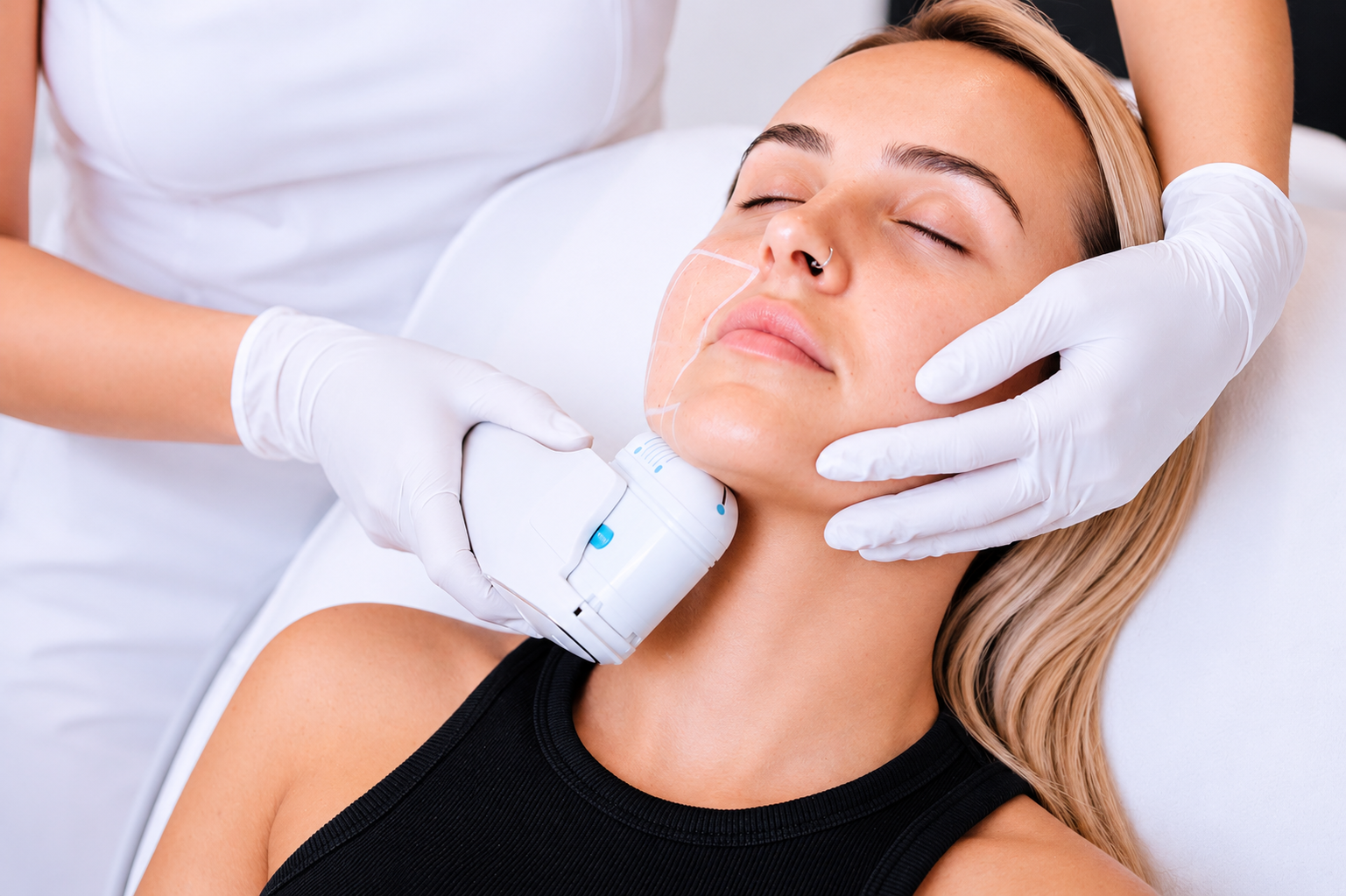
Skin laxity is one of the main factors that influences the planning of High-Intensity Focused Ultrasound (HIFU) treatment. Understanding how skin condition affects treatment requirements is important when exploring HIFU Dubai Price and available treatment options. Dynamic Clinic in Dubai highlights the importance of assessing individual skin concerns before considering a suitable skin-tightening approach. The degree of looseness, treatment area, skin thickness, and desired improvements can all influence how a HIFU session is planned.
How Does Skin Laxity Influence HIFU Treatment?
Skin laxity refers to the gradual loss of firmness and elasticity that causes the skin to appear loose or saggy. It commonly develops with age as collagen and elastin production decline. These proteins help maintain the skin's structure, strength, and flexibility.
HIFU uses focused ultrasound energy to deliver controlled heat to targeted tissue layers beneath the skin. This process stimulates the body's natural collagen production, which can gradually improve firmness and support a more defined appearance.
The extent of skin laxity matters because different levels of looseness may require different treatment approaches. Mild concerns may involve smaller areas, while more noticeable sagging can require a broader treatment plan.
Does Mild Skin Laxity Require a Different Approach?
Mild skin laxity usually involves early signs of reduced firmness rather than significant sagging. People may notice subtle changes around the cheeks, jawline, forehead, or neck.
In these cases, treatment planning may focus on specific areas where skin firmness has started to decline. The practitioner considers the location and condition of the skin before selecting appropriate ultrasound settings and treatment coverage.
Common signs of mild skin laxity include:
-
Slight softening around the jawline.
-
Early looseness around the cheeks.
-
Minor changes in neck firmness.
-
Reduced definition along facial contours.
-
Fine lines associated with declining skin elasticity.
An individual with mild laxity may have different treatment requirements from someone experiencing more advanced skin changes.
How Does Moderate or Severe Skin Sagging Affect Treatment Planning?
Moderate to severe skin laxity involves more visible changes in facial or body contours. The cheeks may appear lower, the jawline may become less defined, and loose skin can develop around the neck.
More extensive concerns may require attention to several treatment areas rather than one isolated section. The practitioner may assess the distribution of sagging, skin thickness, and underlying tissue before determining the treatment coverage.
Important considerations include:
-
Treatment area: Larger areas may require more extensive coverage.
-
Degree of sagging: Noticeable looseness can influence treatment depth and planning.
-
Skin condition: Thickness, elasticity, and overall skin quality affect treatment suitability.
-
Individual response: Collagen production and healing responses vary between individuals.
-
Desired outcome: Treatment planning should reflect realistic and achievable improvements.
HIFU is not a surgical lifting procedure, so people with significant excess skin may need to explore alternative options.
Which Areas of the Body Can Influence HIFU Requirements?
Skin laxity does not affect every body area in the same way. Facial skin is generally different in thickness and structure from skin around the abdomen or thighs. Therefore, treatment planning depends on the specific area being addressed.
Common treatment areas include:
-
Face: Targets concerns such as loose cheeks and reduced facial firmness.
-
Jawline: Focuses on improving the appearance of definition around the lower face.
-
Neck: Addresses visible looseness and changes in neck firmness.
-
Under the chin: Targets concerns associated with reduced definition in the submental area.
-
Abdomen: May be considered for mild skin looseness following weight changes.
-
Upper arms: Addresses certain areas where skin firmness has declined.
The treatment approach depends on the amount of laxity, tissue characteristics, and suitability of the selected area.
Why Is Skin Assessment Important Before HIFU?
A proper skin assessment helps determine whether HIFU is appropriate for an individual's concerns. Two people with similar visible sagging may have different skin thickness, elasticity, and tissue structure.
During an assessment, the practitioner may consider:
-
The location and severity of loose skin.
-
Existing skin conditions and medical history.
-
Previous cosmetic procedures.
-
Skin thickness and tissue characteristics.
-
Expected improvements and treatment limitations.
This assessment also helps identify individuals who may not be suitable candidates. For example, significant skin excess may not respond adequately to ultrasound-based tightening alone.
Can Skin Elasticity Affect HIFU Results?
Yes. Skin elasticity plays an important role in how the skin responds to collagen stimulation. Individuals with relatively preserved elasticity may experience different results from those with substantial collagen loss.
HIFU works by delivering focused ultrasound energy to selected tissue depths, creating controlled thermal points that stimulate collagen remodelling. The resulting changes develop gradually rather than appearing immediately.
Several factors can influence the response:
-
Age-related collagen changes.
-
Natural skin elasticity.
-
Sun exposure and environmental damage.
-
Weight fluctuations.
-
Lifestyle habits.
-
Individual healing and collagen production.
Results also vary according to treatment technique, device characteristics, and the individual's overall skin condition.
What Should You Know Before Choosing HIFU?
Understanding the extent of skin laxity can help set realistic expectations and support informed treatment decisions. HIFU may be suitable for people with mild to moderate skin looseness, but it is not equally effective for every level of sagging.
Before proceeding, consider these important points:
-
Choose a qualified practitioner with appropriate HIFU experience.
-
Discuss existing medical conditions and previous aesthetic treatments.
-
Ask about the ultrasound device and treatment settings.
-
Understand possible side effects, including temporary redness, swelling, tenderness, or discomfort.
-
Discuss realistic outcomes and whether alternative treatments may be more appropriate.
Avoid assuming that more treatment intensity automatically produces better results. Appropriate energy settings and accurate targeting are essential for safety.
Conclusion
The extent of skin laxity is an important factor in determining HIFU treatment requirements. Mild looseness may need a more focused approach, while moderate sagging can involve broader treatment coverage and additional planning. Skin elasticity, tissue thickness, treatment location, and individual collagen response also influence potential outcomes. A professional assessment helps establish whether HIFU is suitable and ensures that treatment expectations remain realistic.
